

The Best Times to Hit the Slot Machines in Las Vegas

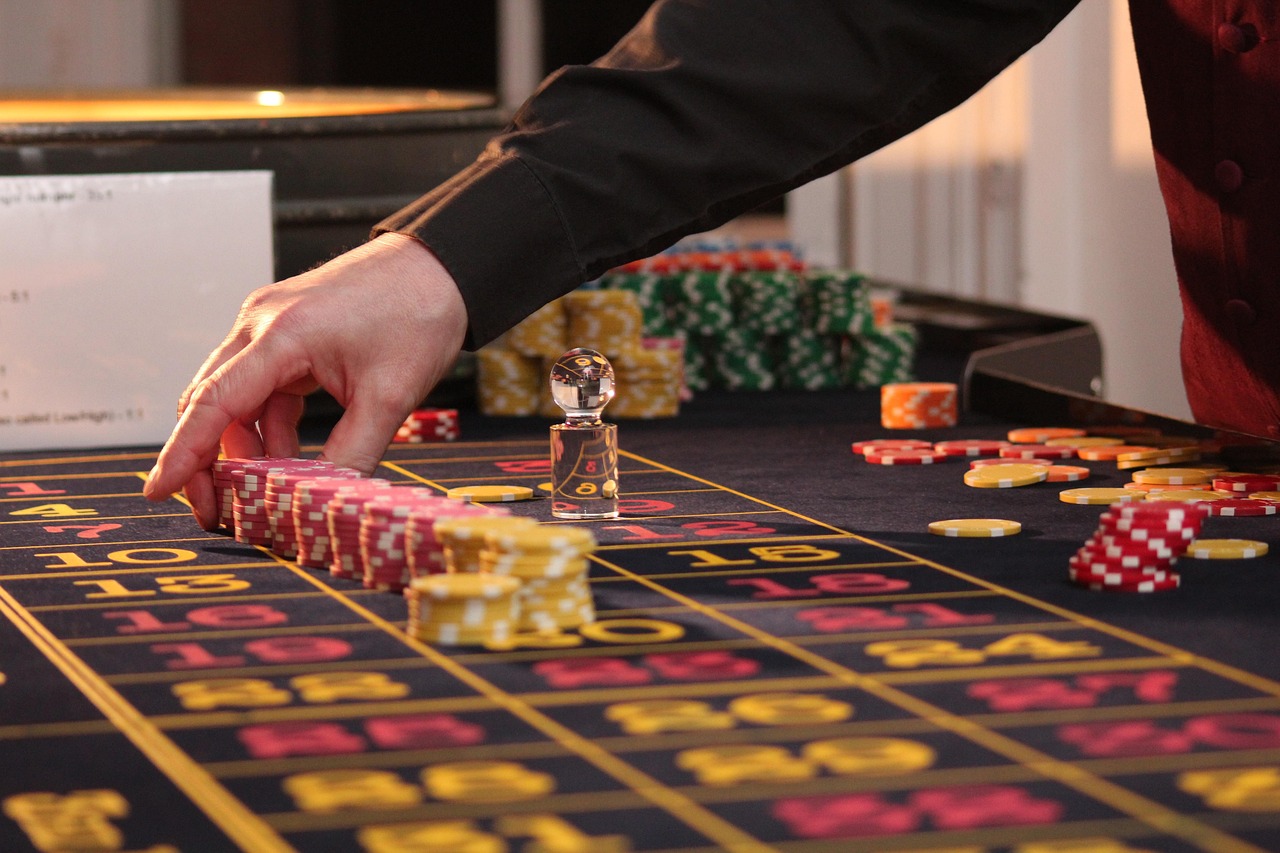
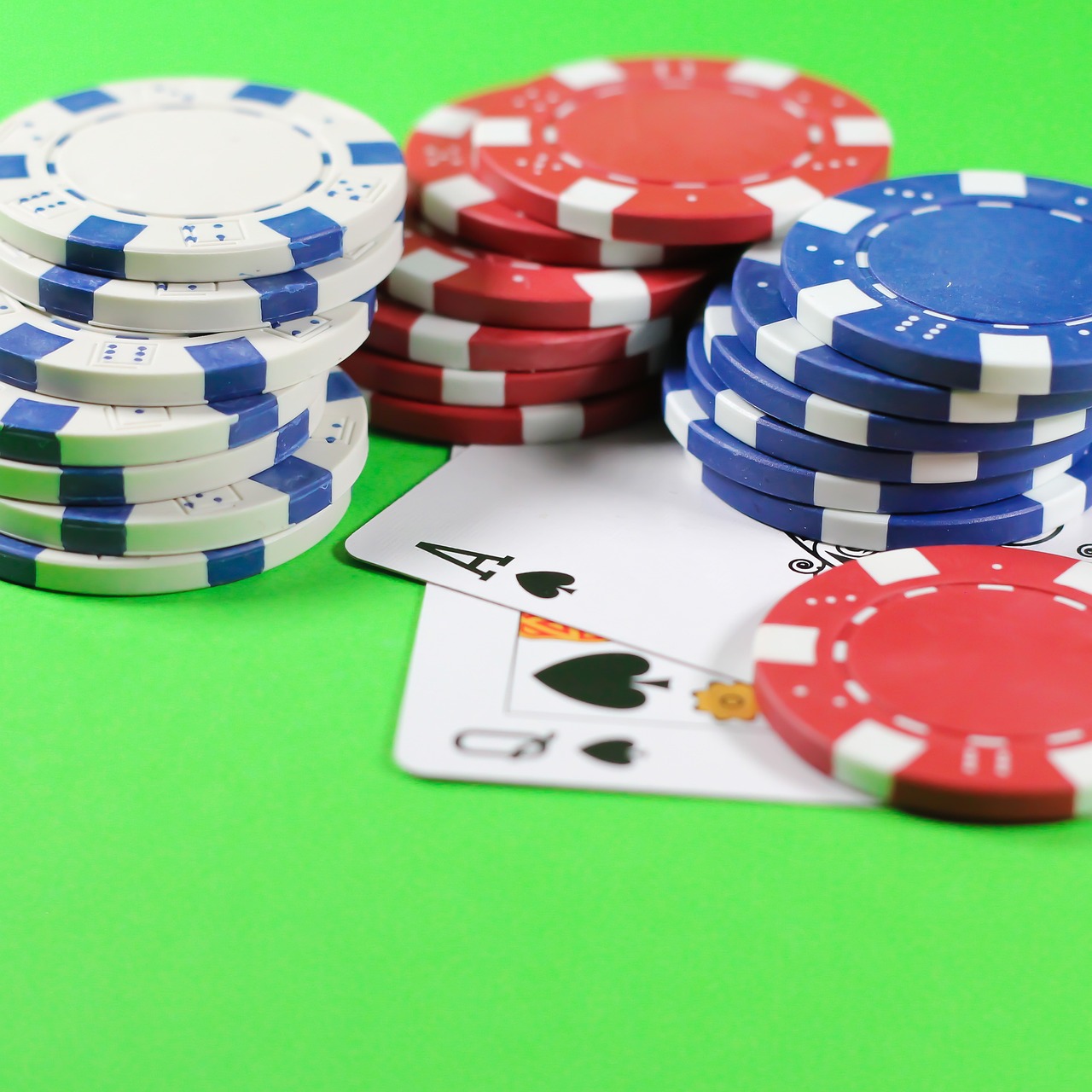
Slot machines
Image by Joshua_Willson from Pixabay

Introduction

Las Vegas is renowned for its vibrant nightlife, entertainment options, and, of course, its world-class casinos. One of the most popular attractions in these casinos is the slot machines, offering players the chance to win big with just a pull of a lever. However, not all times are created equal when it comes to hitting those machines. This article explores the best times to hit the slot machines in Las Vegas, providing you with insider tips to enhance your gaming experience.

1. Understanding Slot Machines

Before diving into the best times to play, it’s essential to understand how slot machines work. These electronic games utilize random number generators (RNG) to determine outcomes. The key factors that influence your experience include:

  • Payout Percentages: Different machines have varying payout rates.
  • Volatility: Some machines provide frequent small wins, while others offer bigger wins less frequently.
  • Bonus Features: Machines with more bonus features often come with higher payouts.

2. Early Morning Hours

One of the best times to hit the slot machines is during the early morning hours, typically between 6 AM and 10 AM. During this time, casinos are less crowded, allowing players a better selection of machines. Moreover, some casinos tend to offer more attractive promotions and bonuses during these hours. Consider checking websites like Gambling.com for the latest promotions.

3. Mid-Week Play

The days of the week can significantly affect your gaming experience. Typically, Tuesday and Wednesday are the least busy days in Las Vegas casinos. This means that you can enjoy shorter wait times, better personal space, and possibly better odds on popular machines. Less foot traffic can also lead casinos to juice up their slot payouts to attract more players.

4. Afternoons – 1 PM to 5 PM

Another optimal time to play is during the afternoon, specifically from 1 PM to 5 PM. After lunch, many tourists are either resting or engaging in other activities, leaving slot machines less congested. This is your chance to strike while the iron is hot!

5. Late Night Gaming

For night owls, late-night gaming can be filled with excitement and less competition. From 11 PM to 2 AM, many players have either returned to their hotels or are engaging in nightlife, giving you a better chance of enjoying popular machines without long waits.

6. Special Events and Holidays

When major events or holidays occur, foot traffic at casinos increases significantly. However, during these times, casinos often need to keep payouts higher to maintain customer satisfaction. It’s advisable to experience the festive atmosphere and play during these events if you’re okay with a crowded environment.

7. Seasonal Factors

Las Vegas sees an influx of tourists during certain seasons, particularly during the summer and around major holidays like New Year’s. Consider timing your trips during the shoulder seasons (spring or fall) when there are fewer crowds and potentially better odds at the machines.

8. Maximize Casino Comps and Rewards

Another effective strategy for maximizing your experience is utilizing casino loyalty programs. Signing up for slot clubs allows players to earn points for their play, which can translate into cash back, hotel stays, or free meals. Ensure you check with the casino’s website or the American Casino Guide to understand their specific rewards structure.

9. Know When to Walk Away

Understanding when to call it a day is essential for a fun game experience. Set time limits for yourself and don’t chase losses. This discipline can preserve your bankroll and allow you to enjoy gaming responsibly.

10. Stay Informed and Adapt

Las Vegas is continuously evolving, and so are gaming habits. Stay updated by following online casinos and gambling forums such as Gambling Forums to receive the latest insights and trends.

Conclusion

The best times to hit the slot machines in Las Vegas ultimately depend on your personal preferences and strategies. Whether you prefer early mornings, mid-week play, or late-night gaming, understanding these nuances will enhance your chances of having a rewarding experience. Happy spinning!

Mastering the Odds: How Dice Games Can Teach Math Skills and Winning Strategies | 10BET

Dice learning
Image by Bru-nO from Pixabay

Introduction

While teaching math skills can be a daunting task for educators, many find that the same principles of probability and logic used in professional dice games can transform a classroom into an engaging learning environment. Using dice as a teaching tool provides a fun and interactive way to bring mathematical concepts to life, making it an effective method for students to master numbers through play. This article explores various creative approaches to using dice in the classroom, enhancing students’ understanding of math by drawing inspiration from the fast-paced interaction found in tabletop gaming.

1. Dice Games for Basic Arithmetic

One of the most straightforward ways to incorporate dice into math education is through simple dice games focused on basic arithmetic operations such as addition, subtraction, multiplication, and division. For example, in a game of Math Playground, students roll two dice and perform an operation based on the rules set by the teacher. This not only makes learning fun but also encourages mental math skills.

2. Probability and Statistics through Dice

Dice are perfect for teaching the concepts of probability and statistics. By rolling a single die, students can explore the likelihood of different outcomes. Teachers can assign predictions, collect data on multiple rolls, and create graphs to visualize the results. Engaging students in real-life statistics through games like Khan Academy can enhance their understanding of essential concepts.

3. Using Dice for Pattern Recognition

Pattern recognition is a crucial component of mathematics. Teachers can utilize dice to create patterns where students must identify and extend sequences. For instance, using color-coded dice, students roll and create a pattern based on their rolls. This tactile approach helps reinforce concepts of sequences and functions while enhancing critical thinking skills.

4. Building Mental Math with Roll and Add Challenge

A fun activity called the Roll and Add Challenge can significantly improve students’ mental math skills. Students take turns rolling a die and then must add the number on the die to a communal total. This daily practice can enhance speed and accuracy in addition over time, making it a game they will look forward to!

5. Story Problems with Dice

Incorporating storytelling into math can bring the subject to life. Teachers can have students roll dice to generate the numbers needed for unique story problems. For example, a roll of a four and a three might lead to a problem like, “If you have 4 apples and buy 3 more, how many do you have?” This technique makes learning contextual and relatable, promoting better understanding.

6. Dice in Geometry: Shape and Area Exploration

Dicing can serve as an innovative way to teach geometry. Through various activities, students can roll dice to determine dimensions for shapes, calculating areas and perimeters as they go. For instance, one can roll a die to establish the lengths of sides for rectangles or squares, fostering a hands-on understanding of geometric principles.

7. Creating Math Centers with Dice-Based Activities

Math centers in the classroom can introduce students to a variety of dice-themed activities. By setting up different stations, students can rotate among them, engaging in activities like dice bingo, dice puzzles, or even collaborative challenges focused on different math skills. This collaborative environment fosters team building while enhancing math skills.

8. Incorporating Technology with Digital Dice

In the digital age, incorporating technology is crucial. Teachers can use digital dice simulators to generate numbers when physical dice are unavailable. Many online resources, such as Random.org, offer free dice rolling tools that encourage students to practice their skills without the need for physical materials.

9. Dice and Critical Thinking in Math

Incorporating critical thinking along with dice can take mathematics to a higher level. Encourage students to create their games using dice, promoting the development of rules and strategies. This exercise not only deepens mathematical understanding but also fosters collaboration and creativity.

10. Concluding Thoughts: The Power of Dice in Math Education

Incorporating dice into teaching math skills opens doors for creativity and engagement. Such approaches not only make learning enjoyable but also promote deeper understanding and application of mathematical concepts. By adopting these strategies, educators can meet diverse learning styles and needs in their classrooms.

The Evolution of Lottery Games: A History of Winning Across Europe | 10BET

Lottery history
Image by TerapiasNaturales from Pixabay

Introduction

Lottery games have long been a source of entertainment and excitement across Europe. Rooted in history, understanding the lottery history of these games shows that they have undergone significant transformations, evolving in response to societal changes, technological advancements, and player preferences. This article delves into the evolution of lottery games in Europe, tracing their journey from ancient times to contemporary practices.

Ancient Origins of Lotteries

The concept of lotteries can be traced back to ancient civilizations. The earliest records indicate that the Chinese used lottery methods for important decisions, while the Romans employed these games for distribution during festivities. These initial forms were primarily used to draw lots for wealth distribution, community decisions, and even military conscription.

The Birth of Modern Lotteries in Europe

The modern lottery as we know it began taking shape in the late 15th century. The first recorded lottery in Europe occurred in the Low Countries in 1445, where it was used to raise funds for town improvements. This set the foundation for the practice to spread across Europe.

  • The establishment of the first public lottery in England in 1569 served as a significant milestone.
  • In France, the Lotterie Royale de France was launched in 1634 and became popular, albeit short-lived due to fraud and mismanagement.

Lotteries as a Fundraising Tool

As lotteries gained popularity, their role in public funding became prominent. Governments recognized their potential for raising revenue without imposing direct taxes. This use was especially pronounced during the 18th and 19th centuries when lotteries funded public works, roads, and educational institutions.

The Impact of World Wars on Lottery Dynamics

The two World Wars significantly affected how lotteries were perceived and utilized. Both British and European governments endorsed lotteries as a means to fund war efforts. For instance, during World War II, the popularity of lotteries surged as citizens hoped to support their countries while also dreaming of a significant windfall.

The Advent of State-Sponsored Lotteries

In the latter half of the 20th century, many European countries moved towards state-sponsored lotteries, which offered greater regulation and transparency. This development reduced illegal lottery operations and increased public trust.

  • Italy established its national lottery in 1945, while Spain introduced its famous ‘El Gordo’ lottery in 1812, signaling a shift towards organized gaming.
  • Countries like France and Germany also implemented state lotteries that contributed to social causes.

The Rise of Online Lotteries

With the advancement of technology and the internet in the late 20th and early 21st centuries, lottery games embraced online platforms. The first online lottery in the world was established in 1994 in the US, paving the way for similar initiatives across Europe.

  • Countries such as the UK and Germany quickly adapted to this trend, offering online lottery services that appealed to a younger audience.
  • Online platforms provided increased accessibility and convenience for players, enabling them to participate from home.

Regulatory Framework and Consumer Protection

As lottery games evolved, so did the need for regulation. Governments enacted laws to ensure fair play, especially with the rise of online lotteries. Regulatory bodies were established to monitor game operations and ensure that proceeds supported social causes.

  • The UK’s National Lottery is a prime example of a well-regulated lottery.
  • In countries like Sweden, consumer protection laws have been implemented to safeguard participants.

The Cultural Significance of Lottery Games

Beyond being mere forms of entertainment, lottery games carry substantial cultural significance in Europe. They often symbolize hope and aspiration:

  • National events, like the EuroMillions, foster a unique sense of community as entire nations dream about winning.
  • Lotteries have inspired art, literature, and folklore, becoming ingrained in societal narratives.

Conclusion

From ancient rituals to a fully digital experience, lottery games in Europe have come a long way. As they continue to evolve, incorporating new technologies and adapting to societal shifts, their cultural and financial impact remains deeply embedded in the fabric of European life.

Further Reading

For those interested in a deeper understanding of lotteries and their impact:

  • History of the Lottery in Europe
  • World Lottery Association

Exploring the World of Live Betting

Live Betting
Image by eGamingImagery from Pixabay

Introduction to Live In-Play Betting

Live Betting, also known as in-game betting, has transformed the sports betting landscape by allowing bettors to place wagers on events as they unfold in real-time. This dynamic form of betting offers unparalleled excitement and engagement compared to traditional pre-match betting.

How Live In-Play Betting Works

In in-play betting, sportsbooks adjust odds rapidly based on the evolving circumstances of a game. For example, if a team scores a goal, the odds for the opposing team to win will change accordingly. Bettors can place various types of bets throughout the match, including:

  • Match Winner
  • Next Team to Score
  • Total Goals Over/Under
  • Player Performance Bets

Advantages of Live In-Play Betting

Live in-play betting offers several unique advantages:

  • Real-Time Decision Making: Bettors can assess team performance and momentum before placing a bet.
  • Enhanced Engagement: Watching the game while betting keeps fans glued to the action.
  • Diverse Betting Options: Bettors have a variety of options to explore during the event.

Popular Sports for Live In-Play Betting

Not all sports are created equal in the realm of in-play betting. The following sports tend to be the most popular among bettors:

  • Soccer
  • Basketball
  • Tennis
  • American Football
  • Cricket

Strategies for Successful In-Play Betting

Success in live betting often hinges on strategy. Here are some effective strategies to consider:

  • Follow the Game Closely: Stay attentive to game dynamics and player performances.
  • Set a Betting Limit: Avoid getting swept away by the moment; set limits to manage your bankroll.
  • Utilize Live Streaming: Many sportsbooks offer live streams, which can enhance your in-game analysis.

Understanding Odds in Live Betting

Odds in live betting are inherently volatile. A comprehensive grasp of how these odds fluctuate can present lucrative betting opportunities, allowing savvy bettors to capitalize on favorable shifts.

Common Mistakes to Avoid

Many novice bettors make several mistakes when diving into live betting. Here are common pitfalls to avoid:

  • Chasing Losses: Trying to recover losses with impulsive bets.
  • Ignoring Game Context: Failing to acknowledge the real-time flow of the game.
  • Not Utilizing Analytics: Neglecting data and statistics leaves bettors at a disadvantage.

Conclusion

Live in-play betting presents an exhilarating opportunity for sports enthusiasts. By understanding its intricacies and developing effective strategies, bettors can enhance their overall experience and potentially improve their winning rates. As the sports betting landscape continues to evolve, live betting is likely to become even more popular among fans worldwide.

Exploring the Unwritten Rules of Casino Etiquette in Las Vegas

Casino etiquette
Image by Annonceslegales from Pixabay

Introduction

Las Vegas is known for its vibrant gambling scene, attracting millions of visitors eager to try their luck. While the formal rules of each game are straightforward, the unwritten rules of Casino etiquette play a crucial role in ensuring that everyone enjoys their experience. Mastering these unwritten rules can enhance your visit and prevent any potential faux pas. In this article, we will explore the essential guidelines to follow while gambling in Las Vegas.

1. Observe Before You Engage

When you approach a new game or table, take a moment to observe the ongoing game. This practice is especially important if you are unfamiliar with the game rules. Watching other players will give you insights into the flow of the game and can help you pick up on betting patterns and strategies.

2. Respect the Dealers

Dealers are skilled professionals who are there to ensure the game runs smoothly. Treat them with respect and courtesy. Here are a few key points to remember:

  • Address dealers politely and use their names if possible.
  • Keep your questions respectful and concise.
  • Tip the dealers for their services, especially if you’re winning. A standard tip is $1-$5, depending on the size of your winnings.

3. Personal Space Matters

Gambling tables can get crowded, but it’s essential to maintain a comfortable personal space. Avoid leaning over the table or invading another player’s space, as it can create discomfort and disrupt the game.

4. Know the Game Rules

Each casino game has its own set of rules and etiquette. Familiarize yourself with these rules before participating. For example, in Blackjack, players should know when to hit, stand, or double down. Understanding the nuances of the game helps you engage more confidently with other players and the dealer.

5. Be Mindful of Your Chips

Playing with chips is part of the gambling experience, but it’s crucial to handle them properly. Always place your chips in a stack, and never touch other players’ chips. Additionally, when placing bets, ensure your chips are visible to the dealer for clarity.

6. Avoid Distracting Behavior

Maintain a respectful atmosphere at the table. Avoid shouting, excessive celebrations, or other behaviors that may distract or annoy fellow players. Remember, everyone is there to enjoy the game.

7. Handle Your Winnings Gracefully

Winning is part of the gambling experience, but how you react to your success matters. Celebrate your wins quietly and don’t boast excessively. A simple nod or smile suffices to acknowledge your victory.

8. Time Your Breaks Wisely

While taking breaks is normal, timing is crucial. It’s best to wait until the end of a round or your betting phase before stepping away. If you must leave during a game, communicate with the dealer so they can adjust accordingly.

9. Be Prepared to Lose

Gambling can be unpredictable, and losing is just as possible as winning. Approach the game with the mindset that losses can happen. Reacting gracefully to losses adds to a positive atmosphere for everyone involved.

10. Engage in Friendly Conversation

Small talk can enhance the gambling experience, making interactions more enjoyable. However, it’s essential to stay within the bounds of respect and avoid controversial topics. Some light conversation starters include:

  • Asking for advice on strategy or game rules.
  • Discussing the casino’s amenities and attractions.
  • Complimenting a fellow player’s skills.

Conclusion

Understanding and adhering to the unwritten rules of gambling etiquette in Las Vegas can significantly enhance your experience. These guidelines help create a respectful and enjoyable environment for all players, enhancing the thrill of the game.

For more information on the official rules of gambling and etiquette, check out Gambling.com or visit Nevada Gaming Control Board.

Mastering Roulette Strategies: The Secret Tactics of Professional Players Behind Closed Doors

Gambling strategy
Image by Ralf1403 from Pixabay

Introduction to Professional Roulette Players

Roulette is one of the most captivating games found in casinos worldwide, drawing crowds with its rhythmic spin and high-stakes tension. However, behind the glamour of the wheel lies a dedicated community of professionals who move beyond simple luck to master complex roulette strategies. These players approach the table with a sophisticated blend of mathematics, psychology, and disciplined betting patterns. This article delves into the hidden lives of these experts, revealing how their specific roulette strategies shape their tactics, personal experiences, and the sacrifices they make to pursue their passion.

The Mindset: What Makes a Professional Player?

Professional roulette players often possess a unique mindset that sets them apart from casual gamblers. Key characteristics include:

  • Discipline: They maintain strict routines and adhere to their strategies without succumbing to impulse.
  • Emotional Control: High-stress environments can jeopardize decision-making; thus, emotional resilience is crucial.
  • Analytical Skills: Understanding game dynamics and statistical probabilities is essential for success.

Strategic Approaches to Roulette

While roulette is fundamentally a game of chance, professional players employ various strategies to enhance their odds:

  • The Martingale System: This betting strategy involves doubling the bet after each loss, hoping to recover losses with a single win.
  • The Fibonacci Sequence: Players use this sequence to determine their betting amounts, which can help to mitigate losses while increasing potential winnings.
  • Sector Betting: Experienced players may focus on specific sections of the wheel where they observe a higher frequency of hits.

The Role of Bankroll Management

Effective bankroll management is crucial for professional roulette players. They follow guidelines that include:

  • Setting limits on session losses and profits.
  • Consistently reviewing their bankroll status to make informed decisions.
  • Allocating funds based on risk tolerance and betting strategy.

Time Investment and Lifestyle Choices

Professional roulette players dedicate significant time to practice, research, and gameplay. Their lifestyle choices often reflect their commitment:

  • They spend hours studying the game, analyzing previous spins, and observing dealer tendencies.
  • Many players travel frequently to explore new venues and tournaments.
  • Social life can take a backseat to ensure they remain focused and committed to their craft.

The Ethics of Advantage Play

The world of professional gambling is not without controversy. Professional roulette players sometimes walk the fine line of ethical gameplay:

  • Some employ tactics that may be deemed unethical, such as using electronic devices to gain an edge.
  • Others adhere strictly to gameplay rules, relying on skill and strategy alone.
  • Understanding the legal implications of their tactics is critical for their longevity in the field.

Success Stories: Inspiration from the Professionals

Learning from the success stories of legendary professional players can provide inspiration:

  • Steven Begleiter: Known for consistently winning through advanced strategies.
  • Joseph Jagger: Often referred to as the ‘man who broke the bank at Monte Carlo’, he famously used a unique approach to win big.

The Community and Support Networks

The life of a professional roulette player can be solitary, but online communities and forums offer support:

  • Players share tips, strategies, and experiences.
  • Networking can lead to partnerships in tournaments or collaborative strategies.
  • Such communities foster a sense of belonging and learning among peers.

Conclusion: The Allure of Professional Roulette

While it may appear glitzy on the surface, the life of a professional roulette player is layered with complexity, discipline, and commitment. Aspiring players can learn much from their methods, experiences, and, importantly, from understanding the psychological aspects that accompany the game.

For more information about roulette strategies, visit GamblingSites.org, focusing on effective tactics that can elevate your gaming experience.

Online Gaming Strategy: The Best Time to Play Online Casino Games and Essential Tips

Online gaming strategy
Image by jarmoluk from Pixabay

Introduction

Online casino games have gained immense popularity, allowing players to enjoy their favorite games from the comfort of their own homes. Understanding when to play is a crucial part of any effective online gaming strategy. In this article, we will explore the best times to play online casino games and provide valuable tips to enhance your chances of winning.

1. Peak Gaming Hours

Identifying peak gaming hours is essential for players looking to maximize their experience. Generally, the busiest times are:

  • Evenings (5 PM – 11 PM)
  • Weekends (Saturday and Sunday)
  • Holidays

During these hours, there is usually a higher number of players, which can lead to larger jackpots and more competition. However, this may also result in slower games, as more players are logged in.

2. Off-Peak Times for Less Competition

If you prefer a quieter gaming environment, consider playing during off-peak hours. The best times include:

  • Late nights (11 PM – 3 AM)
  • Early mornings (8 AM – 12 PM)

These times typically attract fewer players, allowing you to focus better and possibly increase your winning odds.

3. Best Days of the Week

Statistics show that certain days are more favorable for playing online casino games. Midweek days, particularly Tuesdays and Wednesdays, often see lower player traffic. You can take advantage of this to enjoy a more relaxed gaming session.

4. Seasonal Considerations

Reflect on how different seasons affect online gaming. During summer vacations and holiday seasons, many players are away, allowing for potentially better odds due to decreased competition. Conversely, from October to December, player numbers may surge as the holiday season approaches.

5. Time Zone Awareness

When playing online, it’s crucial to be aware of time zones, especially if the casino is based in a different region. Know the peak hours of your chosen online casino and adjust your playing times accordingly. This information can usually be found on the casino’s homepage or through customer support.

6. Game-Specific Timing

Different types of games might perform better at different times. For instance, slot machines may have higher payout rates during peak hours when jackpots are larger, whereas table games like blackjack and roulette may benefit from off-peak play, allowing for more strategic decisions.

7. Promotional Hours

Many online casinos run promotions that are time-sensitive. These can include:

  • Happy Hour bonuses
  • Daily or weekly promotions

Staying updated on your online casino’s promotional calendar can give you an edge, leading to increased winnings or bonuses.

8. The Importance of Reviewing Game Trends

Understanding trends in your chosen games can drastically improve your experience. Consider researching:

  • Payout percentages
  • Return to Player (RTP) rates

For more information on how these statistics can impact your gameplay, check out Gambling.com.

9. Personal Gaming Patterns

Ultimately, the best time to play will depend on your individual gaming patterns. Are you more alert in the morning or late evening? Make sure to schedule your playtime around when you feel most focused and engaged to enhance your concentration and decision-making capabilities.

10. Responsible Gambling Practices

While timing can impact your online gaming experience, always practice responsible gambling. Set limits for yourself, understand when to take breaks, and avoid playing at times when you are under stress or distractions.
Conclusion

The best time to play online casino games is subjective and varies based on personal preferences and patterns. By taking into account peak hours, game-specific timing, and promotional opportunities, you can optimize your gaming experience. Remember to always gamble responsibly and enjoy the thrill of the game!

Mastering Betting Strategies Using Expected Value for Smarter Decisions | 10BET

Sports betting
Image by clarencealford from Pixabay

Introduction to Expected Value

In the world of gambling, whether you are sitting at a blackjack table, navigating online poker rooms, or engaging in sports wagering, mastering effective betting strategies is essential for long-term success. A core component of these advanced betting strategies is understanding expected value (EV), a statistical measure representing the average outcome of a wager over time. By integrating EV into your decision-making process, you can refine your betting strategies to make more informed choices, effectively minimizing losses and maximizing your potential gains.

What is Expected Value?

Expected Value, often abbreviated as EV, is calculated by weighing the potential outcomes of a bet against their probabilities. In simple terms, it helps players determine how much they can expect to win or lose with each wager. The formula for calculating expected value is:

  • EV = (Probability of Winning × Amount Won) – (Probability of Losing × Amount Lost)

For example, if a player bets $10 on a game with a 50% chance of winning, the EV can be calculated by multiplying the probability of winning (0.5) and the amount won ($10), then subtracting the probability of losing (0.5) multiplied by the amount lost ($10). This approach applies to various gambling scenarios, including poker, sports betting, and casino games.

The Importance of Expected Value in Gambling

Understanding expected value is crucial because it allows players to:

  • Make informed decisions about which bets to take.
  • Understand the long-term implications of short-term losses.
  • Identify which games offer better value and opportunities for profit.

Calculating Expected Value in Different Gambling Scenarios

Different games and betting types require unique considerations when calculating EV. Here are a few scenarios:

1. Roulette

In American roulette, with 38 total numbers (0, 00, and 1-36), the house edge is 5.26%. If you bet $10 on a single number, the potential payout is 35 to 1:

  • EV = (1/38 × $350) – (37/38 × $10) = -$0.26

2. Blackjack

In blackjack, the expected value can vary based on your strategy. Basic strategy can lower the house edge significantly:

  • EV can be calculated for different hands against the dealer’s upcard.

3. Sports Betting

In sports betting, the odds given (implied probability) can help you calculate EV. For instance, if you bet on a team to win at odds of 3.0 (implying a 33.3% chance), but you believe the actual probability is closer to 50%, then:

  • EV = (0.5 × $30) – (0.5 × $10) = $5

Strategies for Maximizing Expected Value

To increase your chances of success, consider the following strategies:

  • Always evaluate the odds and compare them to your perceived probability of winning.
  • Utilize bankroll management to avoid devastating losses.
  • Research game strategies that increase your expected value, like card counting in blackjack.

Common Mistakes When Using Expected Value

Even seasoned gamblers can make mistakes with EV calculations. Here’s what to avoid:

  • Overestimating your chances of winning.
  • Failing to account for the house edge.
  • Ignoring the importance of variance and short-term swings.

Conclusion: The Role of Expected Value in Gambling Mastery

By understanding and applying the concept of expected value, you can significantly enhance your gambling strategy. Remember, gambling should be viewed as entertainment, so use the insights from EV to make smarter bets while enjoying the thrill of the game!

Further Reading

For those wanting to dive deeper into the mathematics of gambling, check out these resources:

  • The Balance: Gambling Math
  • Gambling Sites: Expected Value in Gambling
  • Investopedia: Expected Value Explained

Mastering Poker Strategy: How to Identify and Exploit Opponent Weaknesses in Online Poker

Poker strategy
Image by Thomas-Suisse from Pixabay

Introduction

Online poker is not just about the cards you hold; it’s also about understanding your opponents. Identifying their weaknesses allows you to exploit those flaws in your gameplay. In this article, we’ll explore various poker strategy and techniques to help you pinpoint and capitalize on your opponents’ vulnerabilities at the virtual poker table.

1. Understanding Player Types

Aggressive vs. Passive Players

Players can generally be categorized as aggressive or passive. Aggressive players often bet and raise frequently, while passive players tend to call rather than take the initiative. Understanding these tendencies can help you adjust your strategy accordingly.

  • Aggressive Players: Look for signs of overconfidence, such as making large bets with marginal hands. You can exploit their aggression by calling their bluffs.
  • Passive Players: These players may be too cautious, allowing you to apply pressure and force them to fold in critical situations.

2. Identifying Betting Patterns

Watch for Tells and Patterns

Online poker lacks physical tells but players leave digital footprints through their betting behavior. Take notes on players’ tendencies:

  • Do they fold often to raises?
  • How do they react to aggressive plays?
  • What hands do they play from various positions?

Utilizing software programs like PokerTracker or Hold’em Manager can help you track these patterns over time.

3. Position Awareness

Utilizing Your Position

Your position at the table can greatly influence your strategy. Players in late position typically have more information than those in early positions. If your opponent consistently plays aggressively from early positions and shows weakness from later positions, you can exploit this by playing tighter when they have the advantage and more aggressively when they do not.

4. Psychological Warfare

Reading Opponents’ Mindsets

Understanding the psychology of your opponents can give you a significant edge. If you notice a player becoming frustrated, they may start making irrational decisions. Conversely, a confident player may become overly aggressive. Adjust your strategy to take advantage of these shifts in mindset.

5. Adjusting to Stack Sizes

Exploiting Chip Counts

Player chip stacks can influence their playing style. Short-stacked players may be desperate to double up, making them more prone to risk. Conversely, larger stacks may feel invulnerable. Understanding these dynamics can help you exploit weaknesses:

  • Against short stacks, play aggressively to force them into tough decisions.
  • Be cautious against large stacks; they may leverage their size to intimidate you.

6. Bluffing and Semi-Bluffing

Knowing When to Bluff

Bluffing is an essential part of poker, but identifying the right moments to bluff against your opponents can be tricky. Bluffing against weak players may not be effective if they are prone to calling. Instead, focus on players who are easily intimidated or exhibit weaknesses in their gameplay.

7. Analyzing Post-Game Performance

Review and Learn

After playing a session, reviewing your performance can provide vital insights. Use analytical tools to assess your play and your opponents’ strategies. Look for mistakes you made and areas where you could have taken advantage of your opponents’ weaknesses.

Conclusion

Identifying and exploiting weaknesses in online poker opponents is crucial for success. By understanding player types, adjusting your strategy based on betting patterns, positions, psychological factors, and stack sizes, you can gain the upper hand at the table. Remember, the key to outsmarting your opponents lies not only in your cards but also in your ability to read the game and adapt your approach. Keep honing your skills, and success will follow.

For further reading on poker strategies, check out Bicycle Cards’ Poker Strategy or PokerNews’ strategy guide.

Understanding Inside vs. Outside Bets in Roulette Betting: Which is More Profitable?

Roulette betting
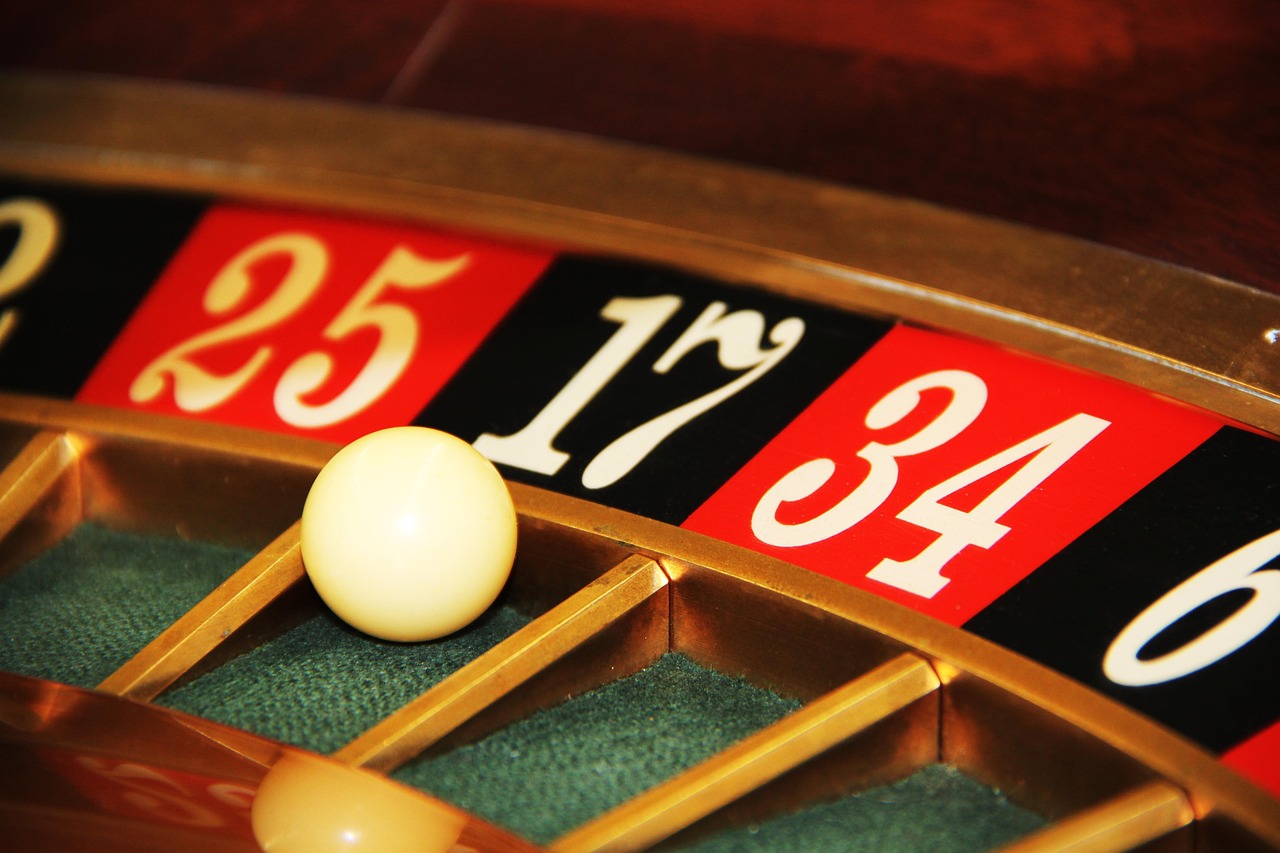
Image by 10741031 from Pixabay

Introduction

Roulette has long captivated gamblers with its spinning wheel and the thrill of chance. Understanding Roulette betting is crucial for any player looking to enhance their profitability, as one of the biggest decisions players face at the roulette table is whether to place inside or outside bets. In this article, we’ll explore the characteristics of inside and outside bets, their potential returns, risks, and much more.

What are Inside Bets?

Inside bets in roulette are wagers placed on specific numbers or small groups of numbers on the layout of the table. They offer higher payouts compared to outside bets but come with greater risk.

Types of Inside Bets

  • Straight Bet: A bet on a single number. Payout is 35 to 1.
  • Split Bet: A bet on two adjacent numbers. Payout is 17 to 1.
  • Street Bet: A bet on three numbers in a row. Payout is 11 to 1.
  • Corner Bet: A bet on four numbers that meet at one corner. Payout is 8 to 1.
  • Six Line Bet: A bet on two adjacent rows of numbers (six numbers total). Payout is 5 to 1.

What are Outside Bets?

Outside bets are wagers placed outside the main number grid and cover larger groups of numbers. These bets have lower payouts compared to inside bets but offer better odds of winning.

Types of Outside Bets

  • Red or Black: A bet on the color of the winning number. Payout is 1 to 1.
  • Odd or Even: A bet on whether the winning number is odd or even. Payout is 1 to 1.
  • High or Low: A bet on numbers 1-18 (low) or 19-36 (high). Payout is 1 to 1.
  • Dozens: A bet on a group of 12 numbers. Payout is 2 to 1.
  • Columns: A bet on one of three vertical columns of numbers. Payout is 2 to 1.

Understanding the Odds

When determining which type of bet is more profitable, it’s essential to understand the odds associated with both inside and outside bets.

House Edge

The house edge is the casino’s statistical advantage. In European roulette, the house edge is about 2.7%, while in American roulette, it increases to about 5.26% due to the extra zero. It’s crucial to note that every bet type contributes to this overall house edge differently.

Probability of Winning

Inside bets have less probability of winning than outside bets, as they cover fewer outcomes:

  • Inside bets: Typically have a probability of winning between 2.63% and 32.43%, depending on the specific type of bet.
  • Outside bets: Generally have a probability of winning around 48.65% for even-money bets.

Which is More Profitable?

The answer largely depends on your playing style and risk tolerance. Inside bets offer higher payouts, making them appealing for players willing to take greater risks. However, outside bets provide more consistent, albeit smaller, wins and are better suited for those looking to prolong their gameplay.

Strategies for Betting

To maximize your success at the roulette table, consider these strategies:

  • Martingale System: Doubling your bet after a loss to recoup losses on outside bets.
  • Reverse Martingale: Increasing your bet after a win, favoring inside bets.
  • Flat Betting: Keeping your bet size consistent, helpful for managing bankroll.

Conclusion

Understanding the nuances between inside and outside bets is crucial for any roulette player. While inside bets can reap significant rewards, outside bets often provide better odds, making them a safer option. Ultimately, your choice should align with your gaming strategy and comfort level regarding risk. As with any form of gambling, remember to play responsibly and within your means.

Further Reading

If you’re interested in delving deeper into the world of roulette, consider checking out sources like GamblingSites.com and 888Casino Blog for additional strategies and tips.