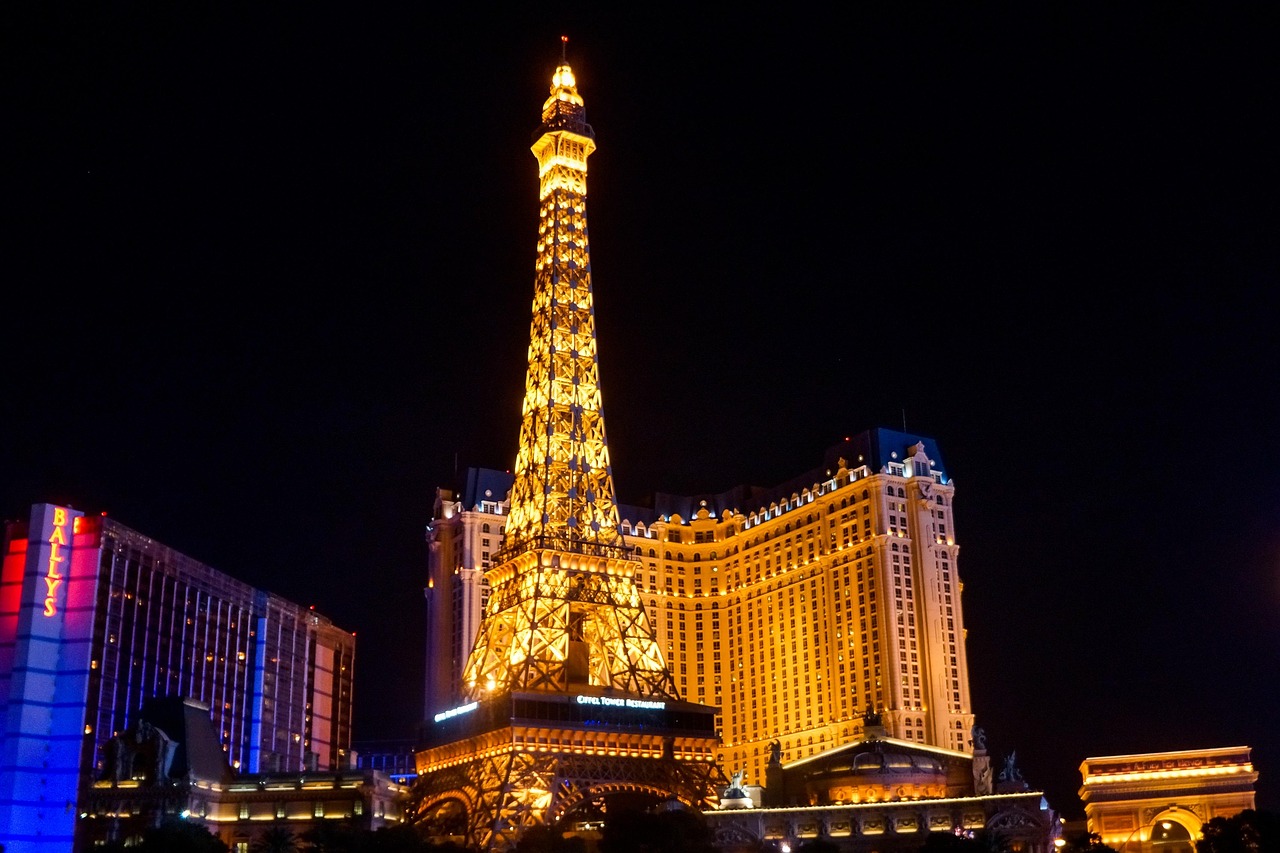

Clairvest Acquires MGM Casino Properties in Ohio for $546 Million

MGM Real Estate Deal: Selling Ohio Casino Properties to Clairvest for $546 Million

When evaluating the landscape of luxury travel and entertainment, one must consider the diverse offerings found within premier casino properties. These expansive destinations serve as the cornerstone for high-stakes excitement and world-class hospitality, making them essential study points for anyone interested in the industry. Key points include:

  • MGM is selling its Ohio casino/racetrack to Clairvest Group for $546 million.
  • Rumors of the sale have been circulating since the first quarter of 2024.

MGM Resorts International has announced its decision to sell the operating rights of the MGM Northfield Park racino, located near Cleveland, to private equity funds controlled by Clairvest Group. The sale, valued at $546 million in cash, is set to provide MGM with approximately $420 million in after-tax proceeds, which will be completed in the first half of next year.
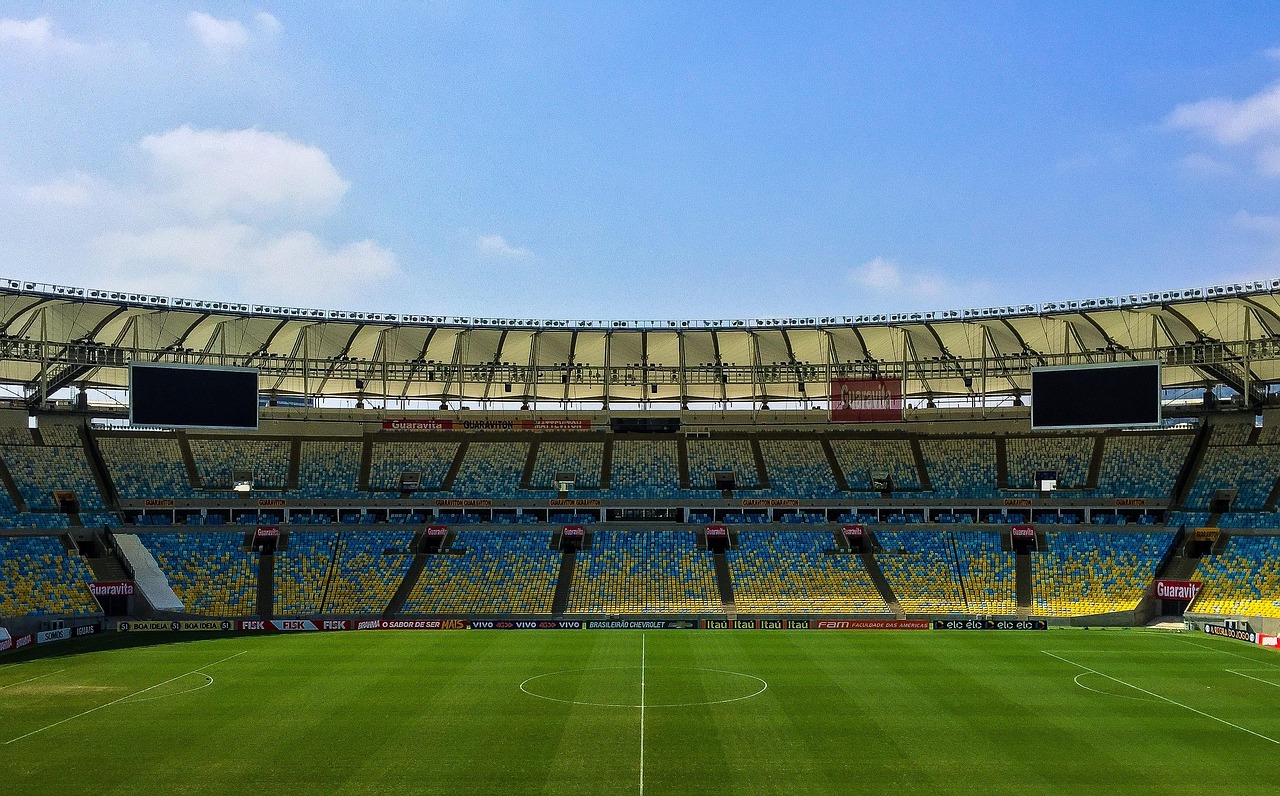
Sports venue
Image by Pexels from Pixabay

The transaction price is notable, representing 6.6 times the racino’s adjusted earnings before interest, taxes, depreciation, and amortization (EBITDA) for the 12 months ending June 30, 2025. MGM’s CFO Jonathan Halkyard commented on the sale, stating, “This is an excellent result for MGM Resorts and demonstrates our ability to drive transaction multiples at significant premiums over our trading value.”

History and Implications of the Sale

The MGM Northfield Park was acquired by MGM Growth Properties, a real estate investment trust, back in 2018, for $275 million. Following the acquisition, MGM acquired operating rights and rebranded the venue, driving up its value significantly.

This sale marks the closure of a long-standing rumor regarding the future of two MGM properties: the Northfield Park and MGM Springfield in Massachusetts. Despite speculation of similar actions for the Springfield venue, executives have stated that no decision has been made regarding its future.

Market Analysis and Future Outlook

Investors see this deal as a positive sign, highlighting ongoing interest in regional gaming properties, even against a backdrop of heightened interest rates, which some analysts believe stifles casino industry consolidations. Jefferies analyst, David Katz, noted that the overall valuation of this sale could indicate a robust appetite for such regional gaming assets.

  • The sale multiple of 6.6 times is the highest seen for a single regional operation since the pandemic.
  • The amendment to MGM’s lease agreement with VICI Properties will reduce its annual obligations by $54 million.

MGM’s sale not only brings in a significant financial boost but also reflects strategic financial management, allowing the company to redirect focus on more lucrative operations.

Summary

In summary, MGM Resorts’ sale of Northfield Park to Clairvest Group for $546 million is both a financially strategic decision and an indicator of the robust market for regional gaming properties. MGM anticipates a total profit of approximately $420 million following the sale while also reducing its lease obligations, demonstrating a proactive approach to financial stewardship in a complex economic landscape.


Kickapoo Lucky Eagle Casino Increases Casino Security Following Deadly Shooting

Kickapoo Lucky Eagle Casino Increases Casino Security Following Deadly Shooting

The Kickapoo Lucky Eagle Casino Hotel has ramped up its Casino security measures following a tragic incident where a shooting occurred. This significant response comes shortly after a mass shooting incident resulted in fatalities and injuries, prompting the casino to take swift action to ensure the safety of its guests.

Enhanced Security Measures

  • Concrete Barrier Wall: A concrete barrier has been erected at the primary entrance to the casino. This structure was built in direct response to the tragic events of September 27, which left two individuals dead.
  • Increased Security Personnel: The casino has also added more armed security personnel to the venue.
  • Mobile Guard Stations: New mobile guard stations have been established to enhance visual monitoring throughout the property.
  • Vehicle Screening System: A sophisticated vehicle screening system is now in place to detect suspicious activity, allowing security staff to screen vehicles before they enter.
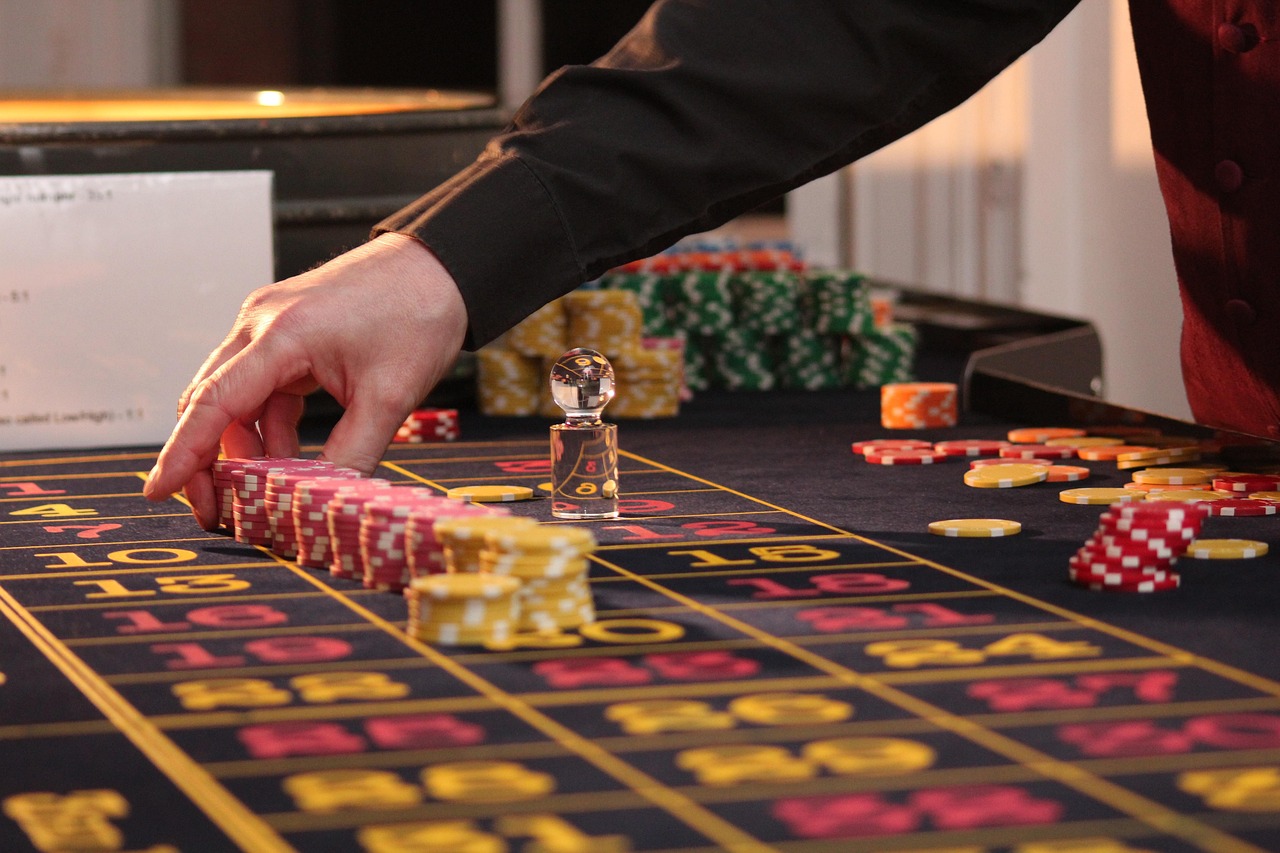
Casino security
Image by stevepb from Pixabay

The Incident: A Brief Overview

The shooting incident that triggered these changes occurred late at night, leading to two fatalities: a retired customs agent and a young mother of five. Keryan Jones, the alleged shooter, was arrested and is currently facing capital murder charges. During the investigation, federal law enforcement agencies, including the FBI, DEA, and ICE, collaborated with local authorities to explore the motive behind the shooting.

No Motive Identified Yet

To date, there has been no clear motive established for this violence. Investigators noted that the suspect exhibited a seemingly quiet demeanor, leaving those familiar with him puzzled as to what prompted such a violent act.

Business as Usual

Despite the tragic events, the Kickapoo Lucky Eagle Casino Hotel is continuing its operations. They have resumed normal activities, promoting their recent winners on social media platforms and hosting several Halloween-themed promotions throughout the month. One such promotion includes an attractive giveaway of a 2025 GMC Sierra 2500 HD ATX truck.

Key Facts about Kickapoo Lucky Eagle Casino

  • Location: Situated just north of the Mexico border in Eagle Pass, Texas.
  • Gaming Offerings: The casino offers a wide range of gaming options including 3,300 electronic bingo machines, bingo games, and poker.
  • Ownership: Owned and operated by the Kickapoo Traditional Tribe of Texas.

Conclusion

The Kickapoo Lucky Eagle Casino is taking critical steps to enhance safety for its patrons following a tragic incident. Through the implementation of concrete barriers, increased security staffing, and advanced surveillance measures, the casino aims to reassure visitors of its commitment to their safety. As operations continue alongside these enhancements, upcoming promotions and events at the casino signify a return to normalcy while maintaining a heightened sense of vigilance.

Lessons from Japans Failed IR Rollout: Why the New York Casino Licensing Process is Stalling | 10BET

Why the New York Casino Licensing Process Failed, Mirroring Japan’s Unsuccessful IR Rollout

Key Points: Understanding the complexities of the industry requires careful attention to several critical stages, most notably the rigorous requirements of casino licensing. These key points detail the essential steps involved in navigating the legal hurdles and regulatory frameworks necessary to secure your casino licensing and manage the entire operation efficiently and legally.

  • New York’s casino licensing process has largely been a bust.
  • State’s sluggish procedures curbed enthusiasm among major players, including Sands, Wynn, and MGM.

Once viewed as the most coveted untapped casino market in the United States—and perhaps the globe—downstate New York has seen its licensing process become a farce. The state was meant to award three licenses for New York City, Long Island, or Westchester County, yet the process has dragged on so long that even the most optimistic license hopefuls are growing disheartened. State officials now have only three bids to consider, and alarming whispers suggest that another bidder might soon bow out.

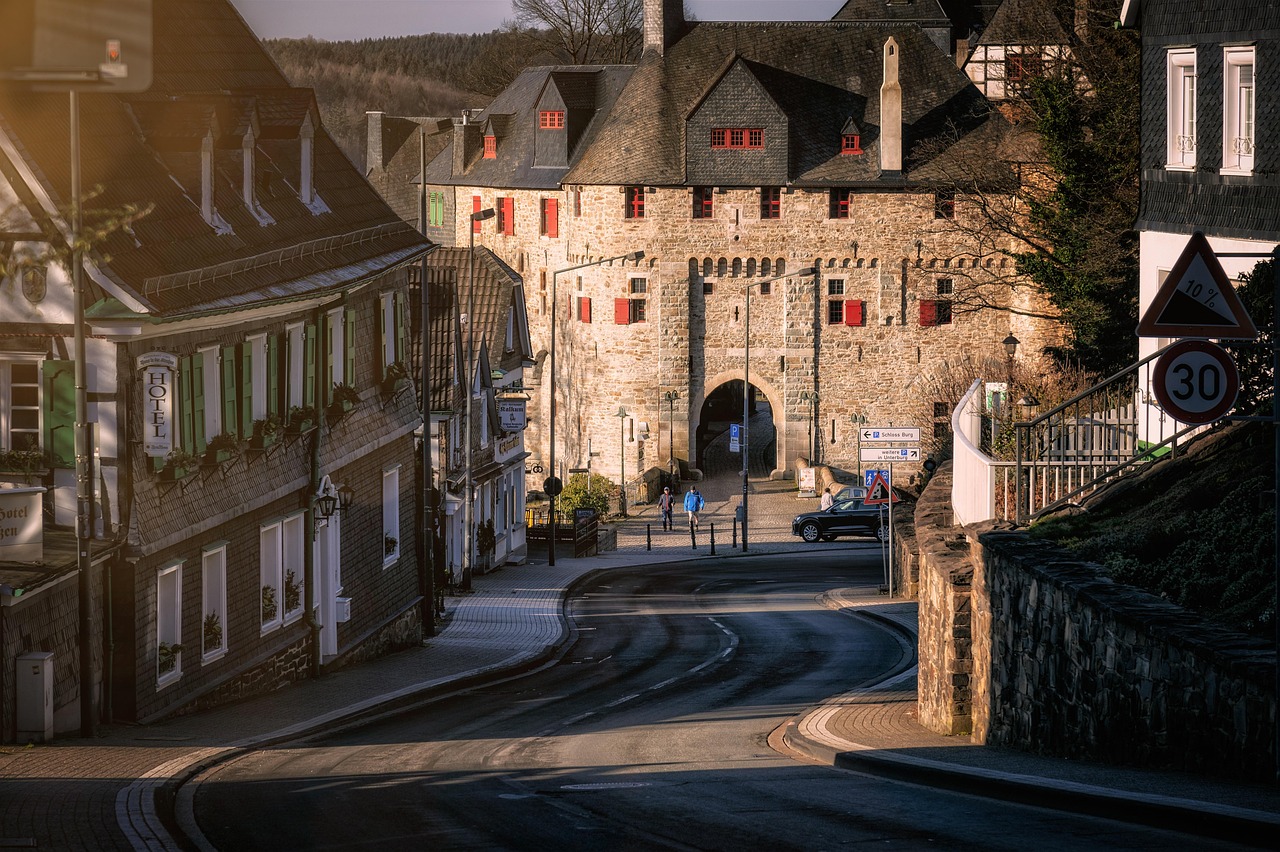
Downtown city
Image by Tama66 from Pixabay

In 2013, New York’s gaming bill allowed for the establishment of up to four casinos upstate and three downstate, with a 10-year exclusivity for upstate casinos regarding competition downstate. However, the moratorium on downstate slots and table-game concessions was only lifted in February 2023—after which almost 1,000 days passed without any licenses being awarded.

This state of inertia reveals further complications: local pushback against new casinos, the state’s deliberations on introducing iGaming options, and deciding to grant licenses for only 15 rather than 30 years, have all contributed to a decline in interest from major casino players.

The Japan Connection

The circumstances surrounding New York’s casino licensing evoke parallels with Japan’s experience. In 2018, Japan’s lawmakers voted to permit up to three integrated resort casinos. Initially heralded as a groundbreaking opportunity since Macau’s casino market opened in 1999, Japan’s slow rulemaking and bidding progress led nearly all developers except MGM Resorts and Casinos Austria to abandon their plans. Ultimately, the only approved project was the MGM Osaka bid, leaving two permits still unissued.

As in Japan, Las Vegas Sands was the first to withdraw from the New York race. Likewise, Wynn Resorts also opted out of its bids prior to the call for bids.

New York State Senator Joseph Addabbo, a proponent of the 2013 casino legislation, has urged swift action following MGM’s recent withdrawal of its Empire City Casino bid in Yonkers. Currently, only Resorts World’s project at Queens Aqueduct Racetrack, Hard Rock’s bid at Willets Point, and Bally’s Bronx remain active considerations.

Addabbo insists that the New York Gaming Facility Location Board must expedite awarding the three licenses to maximize the casino-related tax revenue, employment opportunities, and regional economic growth. “I don’t see why the state wouldn’t award the last three licenses to the last three applicants,” he stated.

MGM’s Exit: A Silver Lining?

Barry Jonas from Truist Securities assessed the implications of MGM’s departure, suggesting it may benefit investors. Concerns over a potential “winner’s curse” lingered, especially considering the location of the Empire City Casino, which is notably further from Manhattan than the remaining bids, potentially hindering its competitiveness.

“We see this as a positive for MGM, which now frees up capital for potentially better uses,” Jonas noted.

Jonas further questioned whether all, some, or any of the remaining bids will secure licensing. This uncertainty creates an atmosphere of conflict over future casino developments in the state.

As New York grapples with its casino licensing conundrum, a lack of action mirrors not only the systemic uncertainties seen in Japan but also reflects widespread frustrations over governmental inefficiencies and stakeholder confidence. The route to reviving New York’s once-bright prospects for entering the casino market is strewn with obstacles, demonstrating the complexities involved in the interaction of policy, public sentiment, and investment interests.

Conclusion

The New York casino licensing process remains a study in frustration, closely reflecting Japan’s imperfect rollout of integrated resorts. As interests wane and potential licensees reconsider their positions, it becomes increasingly clear that substantial reform and proactive governance are essential to reinvigorate the market’s potential. The implications of this stagnant process could reverberate throughout the gaming sector, stressing the need for strategic action from lawmakers and regulators alike.

Las Vegas Casinos vs. Fantasyland: How a TikTok Influencer’s Retro Theme Park Experience Compares to Real Life | 10BET

Beyond the Theme Parks: Why This TikTok Influencer’s Las Vegas Experience Felt More Like a Fantasy Than the Real Las Vegas Casinos

  • Plans for a nostalgic Vegas theme park appear more of a pipe dream than reality.
  • The man behind RetroEscapes hasn’t secured land, permits, or financing for the proposed $500-$600 million off-Strip project.
  • Only time will tell if Vegas tourists and thrill-seekers can truly escape to the past.

It’s seven years in the making, but the entertainment landscape is shifting as Las Vegas prepares to launch a brand new retro theme park, a move that promises to add a fresh layer of excitement to the world-famous allure of Las Vegas casinos. This ambitious project was recently announced by Daniel Leo Wittenkeller Jr., a TikTok influencer claiming allegiance to the title, “CEO of Las Vegas.”

Time travel
Image by jggrz from Pixabay

“It’s going to be the first-ever nostalgia park,” he continues in a video recorded on a vacant lot overlooking the Las Vegas Strip, gesturing dramatically and suggesting that he has already secured the plot where his dream will come to life. (As of now, he hasn’t.)

Vehicle hybrids
Image by 3503898 from Pixabay

Wittenkeller, teaming up with his real-estate developer father, promises that RetroEscapes will be “the only place on Earth where you can live in America’s most iconic decades just as they were.”

The park intends to feature themes from the ‘50s to the ‘90s, with rides, dining, and shows reminiscent of those eras, akin to a Disneyland experience. A “Tomorrow Zone” is also proposed for futuristic themes.

Envisioned on 50 off-Strip acres near the Las Vegas Convention Center, RetroEscapes is expected to be crowned with a “fountain of youth,” representing icons from past decades through a nightly fireworks and light show featuring legends like Marilyn Monroe and Michael Jackson.

Could It Happen?

vacant lot
Image by Alexas_Fotos from Pixabay

Wittenkeller Jr. claims to have hired the reputable amusement design company, PGAV Destinations, to bring his vision to fruition. PGAV is known for designing attractions like the Guardians of the Galaxy: Cosmic Rewind coaster and the Manta thrill ride at SeaWorld.

However, while AI-generated renderings showcase thrilling scenes, they are typically inexpensive to create and raise significant doubts about the project’s feasibility.

If you’re sensing skepticism regarding this venture, remember that historical projects in Vegas that went public without funding typically falter before they even get started.

Fountain of youth
Image by fotosachs from Pixabay

As of now, no land has been bought for RetroEscapes, no building plans approved, no environmental studies conducted, and, crucially, no funding details have been made public.

This kind of public enthusiasm typically only follows firm plans and funding commitments in Las Vegas.

The Wittenkellers even lack the designer association they claimed to have secured. In a recent inquiry, PGAV merely acknowledged ongoing discussions but confirmed no contract has been signed.

“We’re pleased to see the excitement surrounding RetroEscapes,” a PGAV spokesperson remarked, highlighting the media attention received but echoing caution that this is just preliminary enthusiasm without solid plans in place.

Attractions Magazine provided coverage of Wittenkeller Jr.’s ambitions but gave a prudent warning: “We do not endorse every attraction we write about. Many announced projects end up falling through, so ensure you check the legitimacy of the organisers before sharing your financial details.”

Summary

The excitement surrounding the RetroEscapes theme park, spearheaded by TikTok influencer Daniel Leo Wittenkeller Jr., raises intriguing questions about nostalgia and entertainment in Las Vegas. The vision of a park celebrating different decades with immersive rides and experiences is undoubtedly alluring. However, the lack of tangible progress — including secured land or permits — casts a shadow over the project’s viability. As we await more developments, it’s essential to remain cautious about such ambitious plans which often vanish before they come to fruition.

The Impact of Casino License Disputes: MGMs New York Withdrawal Drama Explained | 10BET

New York Casino License Update: Big Surprise Regarding MGM Casino Withdrawal Applications in the Big Apple

In a surprising turn of events in the casino industry for 2025, MGM Resorts International (NYSE: MGM) has announced its casino withdrawal from the race to secure a casino license in New York. The operator of the Bellagio was seen by many as a top contender in the competition.

Casino venue
Image by RahulPandit from Pixabay

Citing shifts in economic conditions and related factors, the Las Vegas-based company expressed that it was a “difficult” decision not to proceed with its application for a license that would have allowed it to transform the Empire City Casino in Yonkers into a luxurious Vegas Strip-style facility.

In an official statement, MGM Resorts said, “Today, MGM Resorts made the challenging decision to withdraw its application for a commercial casino license in Yonkers, New York. Since we submitted our application in June, the competitive and economic assumptions that underpinned it have changed, altering our expectations of profitability for the proposed investment of $2.3 billion.”

Up until now, there were four competitors vying for three casino licenses in the southern part of the state: Bally’s, Hard Rock International, MGM, and Resorts World New York.

MGM Cites Geography in Withdrawal from New York Casino Bid

The geographical location seems to have played a key role in MGM’s decision to abandon its plans for New York. The operator noted that the four proposals were “concentrated in a small geographical area,” which put pressure on the economic projections initially associated with the possible conversion of Empire City.

The term “concentrated” can be subjective. Empire City is located approximately 37 kilometers from Resorts World New York, which is also regarded as a leading candidate for one of the licenses. MGM’s venue is about 27 kilometers from Citi Field, where the $8 billion Metropolitan Park project, which includes Hard Rock’s casino, would be situated if approved.

Bally’s proposal, located at Ferry Point Golf Course in the Bronx, is less than 20 kilometers away from MGM’s property in Yonkers.

MGM further added, “Additionally, our renovation and expansion proposal for Empire City Casino was based on receiving a 30-year commercial license, but according to the new regulations issued by the State of New York, we now qualify only for a 15-year license. Together, these factors have caused the proposal to no longer align with our commitment to responsible capital management, nor with that of our real estate partner in Yonkers, VICI.”

VICI Properties (NYSE: VICI) holds the real estate assets of Empire City.

Major Operators Bow Out from New York

With MGM’s announcement, all four of the largest publicly traded casino operators in the United States are now out of contention for the New York licenses. Las Vegas Sands (NYSE: LVS) and Wynn Resorts (NASDAQ: WYNN) abandoned their proposals before reaching the phase of community advisory committees (CAC), while Caesars Entertainment’s (NASDAQ: CZR) project for Times Square was rejected by a CAC.

With MGM’s exit, it seems that among the most recognized American brands, only Hard Rock will be able to operate a casino in New York City.

Another potential outcome, which many New Yorkers might not view favorably, is that former President Donald Trump could financially benefit. If Bally’s secures a license—something much more likely after MGM’s withdrawal—the regional operator will need to pay an additional $115 million to the Trump Organization, on top of the $60 million already paid for the leasing rights to the Ferry Point golf course.

Key Takeaways:

  • MGM Resorts International has withdrawn its application for a gaming license in New York.
  • Changes in economic conditions were cited as factors in the decision.
  • Competition for the remaining licenses intensifies with MGM and other major operators out of the running.
  • Details regarding the geographical concentration of proposals impacted MGM’s decision-making.

In summary, MGM’s decision to withdraw from the New York casino licensing process is a significant development in the gaming industry, influenced by a mix of economic factors and competitive pressures. The focus now shifts to the remaining operators as they scheme to capture a lucrative market that could dramatically reshape the gaming landscape in the region.

From Mirage Volcano to a Modern Gaming Floor: Hard Rock Guitar Hotel Las Vegas Construction Rises from the Ashes

From Mirage Volcano to a World-Class Gaming Floor: The Evolution of the Hard Rock Guitar Hotel in Las Vegas

The silhouette of the bottom of an electric guitar is now distinctly recognizable as the construction of the upcoming Hard Rock Guitar Hotel, a landmark addition rising on the Las Vegas Strip. Built on the site of the now-demolished Mirage Volcano, this project is generating immense excitement and optimism, promising a high-energy atmosphere that will draw crowds toward its expansive, world-class gaming floor. In a challenging economic environment, the anticipation surrounding this new destination highlights the growing demand for next-generation entertainment and luxury gaming.

This week, workers have been spotted installing glass panels onto the structure, which is set to reach an impressive height of 200 meters. The hotel will stand as a testament to the Hard Rock brand’s commitment to the Las Vegas market, which is seeing declines in tourism compared to previous years.

Las Vegas hotel
Image by Pexels from Pixabay

The new Guitar Hotel will include:

  • 675 guest rooms
  • A massive gaming floor covering 175,000 square feet
  • Multiple swimming pools and two high-end spas
  • Live entertainment venues
  • A variety of restaurants and retail stores

Despite an 8% drop in visitors to the Strip during the second quarter of 2025 compared to the previous year, the Seminole Tribe of Florida has committed additional funds to the project. This includes a 7% increase in their investment, amounting to $4.3 billion to enhance entertainment facilities.

The site was acquired by the tribe for $1.075 billion at the end of 2022 and has been bustling with activity since the emotional farewell to the Mirage on July 17, 2024. Demolition crews swiftly dismantled the iconic volcano, making way for Penta Building Group to lay the foundation at the beginning of 2025.

Recent adjustments, including the removal of a pedestrian bridge that linked to Harrah’s, have sparked speculation about budget cuts. However, a spokesperson from Hard Rock has dismissed these rumors, describing the changes as “strategic improvements” aimed at better customer flow, with another bridge connecting to the Venetian still in the works.

Las Vegas
Image by Danor from Pixabay

The Hard Rock Casino and Guitar Hotel in Las Vegas is projected to open its doors in the fourth quarter of 2027. It promises to redefine the Las Vegas experience for both tourists and locals alike.

Key Features of the Hard Rock Guitar Hotel:

  • Room Count: Approximately 3,675 hotel rooms
  • Gaming Space: 175,000 square feet dedicated to gaming
  • Recreational Facilities: Several pools and two spas
  • Entertainment: Various venues for live shows
  • Diverse Dining Options: Numerous restaurants and bars

The emergence of the Hard Rock Guitar Hotel highlights the evolving landscape of Las Vegas, where new investments aim to revitalize and appeal to tourists even in economic downturns. With its unique design and extensive facilities, it promises to create unforgettable experiences for visitors and a new chapter in Las Vegas’s storied history.

MGM Departure Stokes Concern on Resorts World New York Casino Resort Outlook

MGM Departure: Stokes Concern on Resorts World New York Casino Resort Outlook

This departure raises vital questions about the financial viability of Resorts World New York, a casino resort situated in Queens, especially considering the mixed performance of other properties owned by Genting.

Key Concerns Raised

  • Operator Genting’s Struggles with Other Ventures: Genting has been grappling with modest returns at its North American venues, including Resorts World Catskills and Resorts World Las Vegas.
  • High Tax Rates: Genting’s plans for New York include some of the highest tax rates in the industry, raising doubts about profitability.
  • Regulatory Environment: The changes to licensing terms, cutting potential permit durations from 30 years to just 15 years, have added to MGM’s decision to withdraw.

Casino resort
Image by MichelleMaria_Pitzel from Pixabay
A rendering of Resorts World New York City, one of the contenders for the downstate casino licenses in New York.

Analysts are questioning if Genting’s approach to these proposed permits makes sense. As noted by Nomura analyst Tushar Mohata, the recent performance of resorts in Genting’s portfolio could indicate an unwise investment in expanding Resorts World NYC.

Financial Proposals from Genting

Genting announced a potential investment of $5.5 billion to turn its Queens facility into a Las Vegas-style resort, which does not include an additional $2 billion allocated for community benefits. This proposed expenditure significantly eclipses prior investment in other properties, raising eyebrows among industry veterans.

Genting’s High-Stake Bid

MGM’s exit signals a deeper issue within the competition. Genting’s supplemental bid includes:

  • A $600 million license fee, exceeding the minimum of $500 million.
  • Tax rates at 56% for slot games and 30% for table games, which are notably high when compared to industry averages.

This aggressive bid indicates Genting’s willingness to risk high expenditures in a climate of intense competition, especially with MGM stepping back.

Geographic Considerations for Genting

The proximity of the proposed $8 billion Metropolitan Park project, led by Steve Cohen and Hard Rock International, poses additional competition for Genting. Located just 10 miles from Resorts World New York, this new venue could siphon off traffic and patronage.

Analysts suggest that while the project promises to bring substantial economic benefits, it also presents a significant threat to the viability of existing venues like Resorts World.
In conclusion, Genting’s ability to manage this expansion while balancing the competition and financial pressures will be critical in the coming years.

Summary

The decision of MGM to withdraw from the New York City casino bids has sent shockwaves through the industry, particularly concerning the future of Resorts World New York. With Genting proposing a massive investment and navigating challenging financial landscapes, the coming times will be crucial for reshaping how casinos operate in the New York market.

NFL Trade Deadline: Can the Bills Fix Their Wide Receiver Woes to Boost Your Sports Betting Odds? | 10BET

NFL Trade Deadline: Boost Your Sports Betting Strategy as the Bills Wide Receiver Struggles Shift the Odds

As the Bills struggle through two consecutive losses, the teams momentum has plummeted, causing a significant shift in sports betting markets. For fans looking to capitalize on these changing dynamics, the latest movement in their Super Bowl odds reflects the growing uncertainty surrounding their postseason potential.

  • Bills find themselves struggling, sitting at 4-2 and second in the AFC East.
  • Coach Sean McDermott indicates the team needs a fresh start.
  • Rumours abound on possible trades for boosting the receiver lineup.

As the NFL trade deadline approaches on November 4, the Buffalo Bills are taking a much-needed bye week after losing two games in a row. The team is experiencing notable issues, raising questions about their performance and depth moving into a crucial part of the season.

Team struggle
Image by Olgaozik from Pixabay

Falcons Dominate Performance

In their recent matchup against the Atlanta Falcons, the Bills fell short with a disappointing 24-14 score. Despite hopes of a comeback, the game was controlled by the Falcons, leaving the Bills at 4-2 in the rankings, trailing behind the New England Patriots. This competition is proving to be daunting for fans who remember the team’s glory days.

Players like QB Josh Allen have been under increased scrutiny post-game, as he struggled against the Falcons’ aggressive defense, suffering four sacks and exposing cracks in the Bills’ defense prospects.

Shifting MVP Odds

All eyes are also on MVP odds as Patrick Mahomes and Baker Mayfield have seen shorter odds following their teams’ performances. Meanwhile, Allen’s current odds have dropped to +325 from +140, reflecting the team’s waning momentum.

This change has led to growing concerns about whether Allen is adequately supported in key positions, particularly wide receiver. As roster weaknesses become apparent, the pressure is mounting on the Bills to bolster their lineup through potential trades.

Addressing Team Needs

RB James Cook has not been effectively utilized, receiving a mere 17 touches for 87 yards in their game against Atlanta. The Bills’ receiving corps also faces injuries, with WR Joshua Palmer and WR Curtis Samuel struggling with health issues. Their absence is felt significantly, as no standout player at the receiving position is emerging, which is proving detrimental to the team’s offensive drive.

Head Coach McDermott is calling for a comprehensive evaluation of personnel and performance:

“We can certainly perform at a higher level, and we need to. This bye week is crucial for assessing our strategy and player capabilities.”

After the frustrating defeat, McDermott acknowledged the importance of focusing on foundational improvements. The team must ensure that all structures, from practice routines to game-day strategies, are functioning effectively.

Trade Speculations Heat Up

The upcoming deadline brings forth speculation on potential trades, with names like Jakobi Meyers of the Raiders being floated as a possible addition. His capacity for deep pass receptions, along with others such as D.J. Moore from the Bears, could provide the necessary spark the Bills are in dire need of.

Furthermore, if the team hopes to elevate their playoff contention prospects, looking towards the likes of A.J. Brown or Chris Olave could yield significant benefits.

The Future Ahead

Despite the setbacks, at BetMGM, the Bills are still seen as contenders, currently marked at +300 for AFC victory, trailing behind the Chiefs. The season is far from over and can pivot in any direction based on the decisions made in the coming days.

As fans gear up for the next game against the Panthers, the hope remains that the Bills can regroup, harness their potential, and navigate through their current challenges effectively.

In summary, the Bills find themselves in a critical junction as they seek to reclaim their momentum amid injuries and fluctuating performance. Against the backdrop of ongoing trade discussions, their ability to adapt and strengthen their roster could ultimately define their playoff run this season.

Sports Betting Fraud Scandal: Arrest Made After £8M Scheme Collapse Linked to Son of Tony Blair Spin Chief | 10BET

Sports Betting Fraud Scandal: Arrest Made After £8M Fund Collapse Linked to Son of Tony Blair Spin Chief

  • Rory Campbell’s £8M betting fund collapses amid fraud claims
  • Elite investors lose thousands as probe into fund deepens
  • Police arrest suspect after syndicate’s alleged false representation

In a significant development, UK authorities have arrested a man linked to the collapse of an £8 million (around US$10.7 million) sports betting syndicate, which is believed to have involved betting fraud, run by Rory Campbell, the son of former Downing Street spin doctor Alastair Campbell. The case has drawn widespread attention due to the high-stakes nature of the betting and the profiles of the investors involved.

Betting syndicate
Image by whekevi from Pixabay

London’s Metropolitan Police reported that the 37-year-old suspect was taken into custody on suspicion of committing fraud via false representation. He is currently on bail pending further inquiries.

Rory Campbell had previously assured his investors that he was using predictive mathematical models to secure an edge in the betting markets. In December 2024, however, he claimed the enterprise had collapsed due to sportsbook operators in Asia not paying out winnings.

Savvy Backers

It’s important to note that Campbell’s investors were not naive novices looking to strike it rich quickly. Instead, they were well-informed professionals from the gambling and racing industries, including a former executive from The Racing Post and a senior official with the British Horseracing Authority. Additionally, Campbell’s father personally invested £300,000 (approximately US$400,000) in the fund, which speaks volumes about the level of trust and expectation surrounding the venture.

Some initial investors even received commissions to recruit others, indicating a potentially lucrative, albeit risky, investment opportunity. In total, around 50 investors purportedly lost funds ranging from £10,000 (US$13,400) to £500,000 (US$670,000), focusing primarily on Asian handicap betting strategies and over/under goal markets.

Downfall

The troubles began in 2023 when investors faced difficulties withdrawing their funds, despite earlier claims of an average annual return of 8%. Campbell reassured them that there were no issues with the fund and that they would receive their complete investment by the end of July 2024. However, by mid-July, he adjusted that expectation to indicate returns of only 50%-65%.

As negotiations broke down in January 2025, and with frustrations mounting among the investors, many turned to the police for assistance.

Tragically, one investor, well-known in the British horseracing scene, passed away from cancer before he could recoup his funds. He had expressed despair over the situation prior to his death.

Another investor attempted to recover £266,000 (US$356,000) through civil litigation against Campbell, but it is believed that this individual settled out of court for a mere fraction of the original amount.

Key Takeaways

  • The alleged fraudulent activities surrounding the betting syndicate raise critical concerns about investor protections in the gambling sector.
  • The lack of transparency in such investment opportunities can lead to significant financial loss for well-intentioned investors.
  • This case underscores the importance of due diligence and the fundamental need for regulatory oversight in the gambling industry.
  • The involvement of high-profile individuals like Alastair Campbell complicates the narrative, suggesting deeper issues of trust and accountability within elite networks.

The fallout from this incident not only puts financial implications on the investors but also invites scrutiny into the betting industry at large. This leads to questions about regulations, investor awareness, and the integrity of financial dealings in gambling.

As we continue to monitor this evolving story, it’s clear that the repercussions of the failed betting fund will ripple throughout the gambling community, forcing a reconsideration of current practices and compliance.

Summary: The arrest linked to the collapse of an £8 million betting fund runs deep into issues of transparency, responsibility, and investor trust in the gambling sector. As investigations continue, the outcome promises to reshape not only the lives of the affected investors but also instigate broader discussions around regulations in the betting industry.

Las Vegas Casino Myths Busted: The Luxor Sphinx Jinx | 10BET

Las Vegas Casino Myths Busted: Is the Luxor Sphinx Really Jinxed?

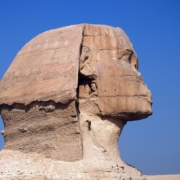
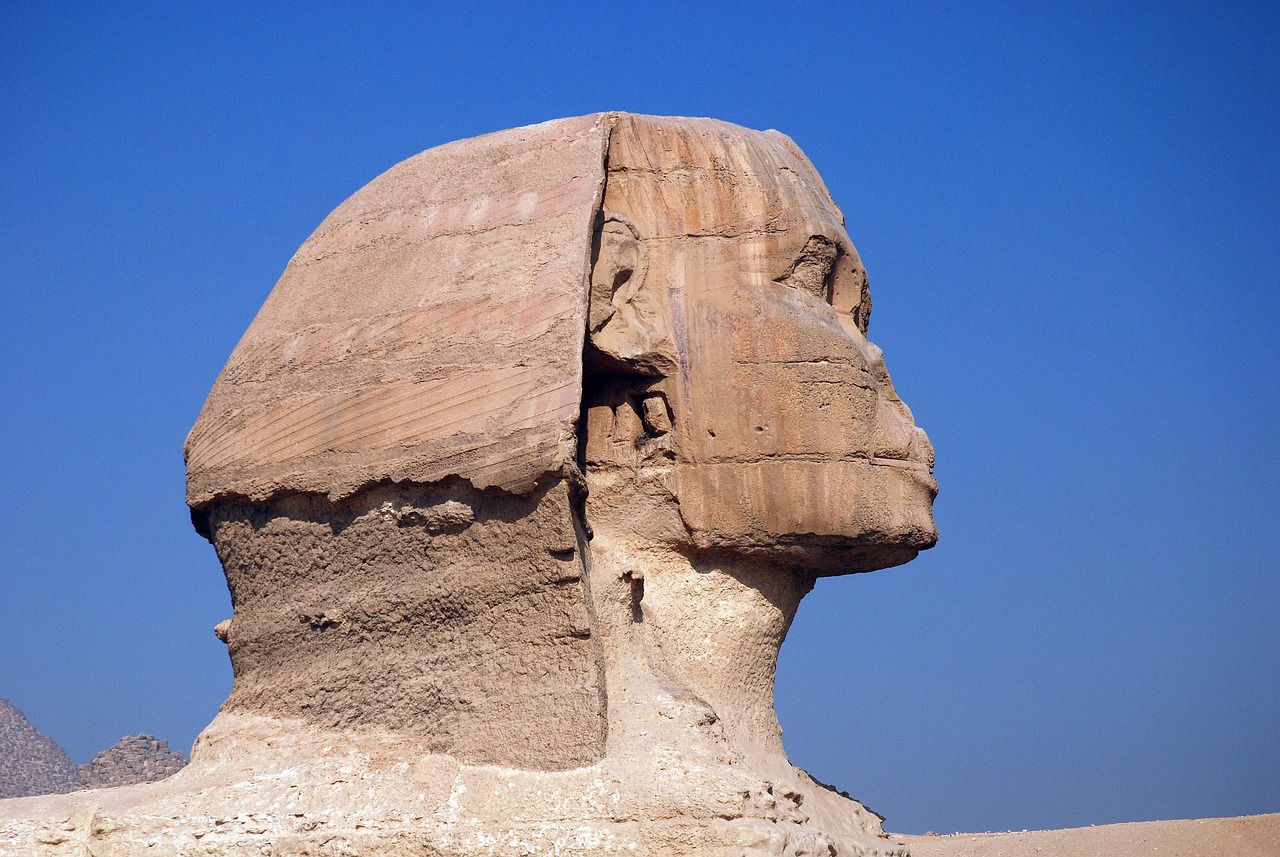
A long-standing myth suggests that the strange energy surrounding the Luxor hotel can be attributed to the giant Sphinx located outside, a theme echoed in legends that often haunt the halls of a typical Las Vegas casino. According to this myth, unlike the original Sphinx of Giza, which faces east, the Luxor’s replica faces west—an affront to the very gods it is meant to honor and a chilling tale whispered among those seeking luck on the gaming floor.

The Great Sphinx of Giza in Egypt stands deliberately facing east, towards the rising sun, symbolising ancient sun worship and rebirth. In contrast, the Luxor’s replica, a prominent feature on the Las Vegas Strip, looks west, turning away from the sunrise.

Sphinx monument
Image by jarekgrafik from Pixabay

This myth has gained traction through social media, ghost tours, and various blogs that attribute a series of tragic occurrences at the Luxor to the Sphinx’s improper alignment. Notable incidents include:

  • The tragic death of Steven Yandell, a 42-year-old construction worker from Arizona, who was fatally injured by a boom on December 23, 1992, during the hotel’s construction.
  • The September 25, 1996, suicide of a woman who jumped from a balcony on the 26th floor, landing near the buffet area.
  • A motion-activated pipe bomb explosion in the Luxor’s parking garage on May 7, 2007, that claimed the life of 27-year-old Willebaldo Antonio, who worked in the food court.

A recent post from the “Buzzed Vegas” Facebook page suggested that the Sphinx’s orientation is displeasing to the Egyptian gods, reinforcing the myth among its followers.

Myth Interpretation

The design of the Luxor resort was part of a broader strategy by Circus Circus Enterprises to expand its themed resorts following the success of their Excalibur and prior to the opening of Mandalay Bay. Construction on the resort began in early 1992, with plans for an Egyptian-themed hotel featuring a pyramid-shaped structure and a Nile River ride surrounding the casino.

River view
Image by ptognoni from Pixabay

Interestingly, the Sphinx design wasn’t initially in the original plans. Its location was strategically chosen to maximise visibility for the heavy traffic along the Las Vegas Strip. It was thought that the Sphinx must face the Strip to attract visitors, as a backward-facing structure would be less likely to draw attention.

The Luxor is situated on the west side of the Strip, which runs north to south, with its entrance facing east. Thus, the claims of the Sphinx facing west are fundamentally incorrect. It actually faces east, aligning with the orientation of its historical counterpart in Giza, contrary to the myths circulating.

While many tales swirl about the Luxor’s dark past, assessing the accuracy of such claims need not delve into speculative paranormal debates. The facts surrounding the Sphinx’s orientation demonstrate a clear direction towards the east.

So, before attempting to be an authority on such topics, it’s essential to confirm the core facts—particularly when it comes to discerning east from west.

For more thrilling tales of Vegas myths debunked, check out the weekly series, “Vegas Myths Busted,” featured on Grand Rush Online. Share your own suggestions for legends that need debunking!