


Las Vegas Casino Myths Busted: The Luxor Sphinx Jinx | 10BET
Las Vegas Casino Myths Busted: Is the Luxor Sphinx Really Jinxed?
A long-standing myth suggests that the strange energy surrounding the Luxor hotel can be attributed to the giant Sphinx located outside, a theme echoed in legends that often haunt the halls of a typical Las Vegas casino. According to this myth, unlike the original Sphinx of Giza, which faces east, the Luxor’s replica faces west—an affront to the very gods it is meant to honor and a chilling tale whispered among those seeking luck on the gaming floor.
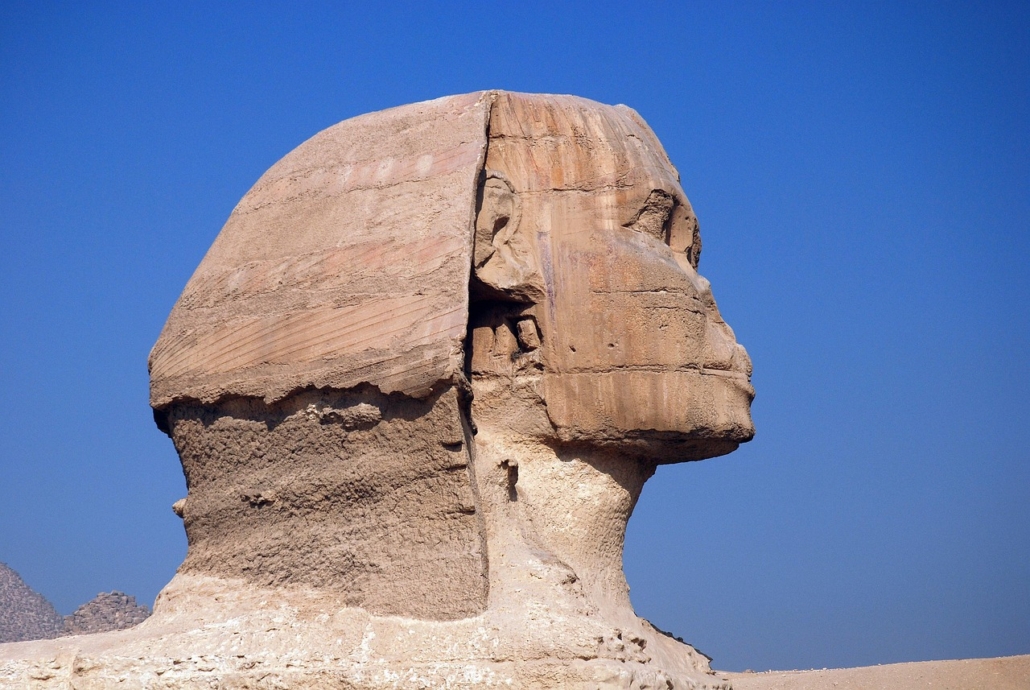
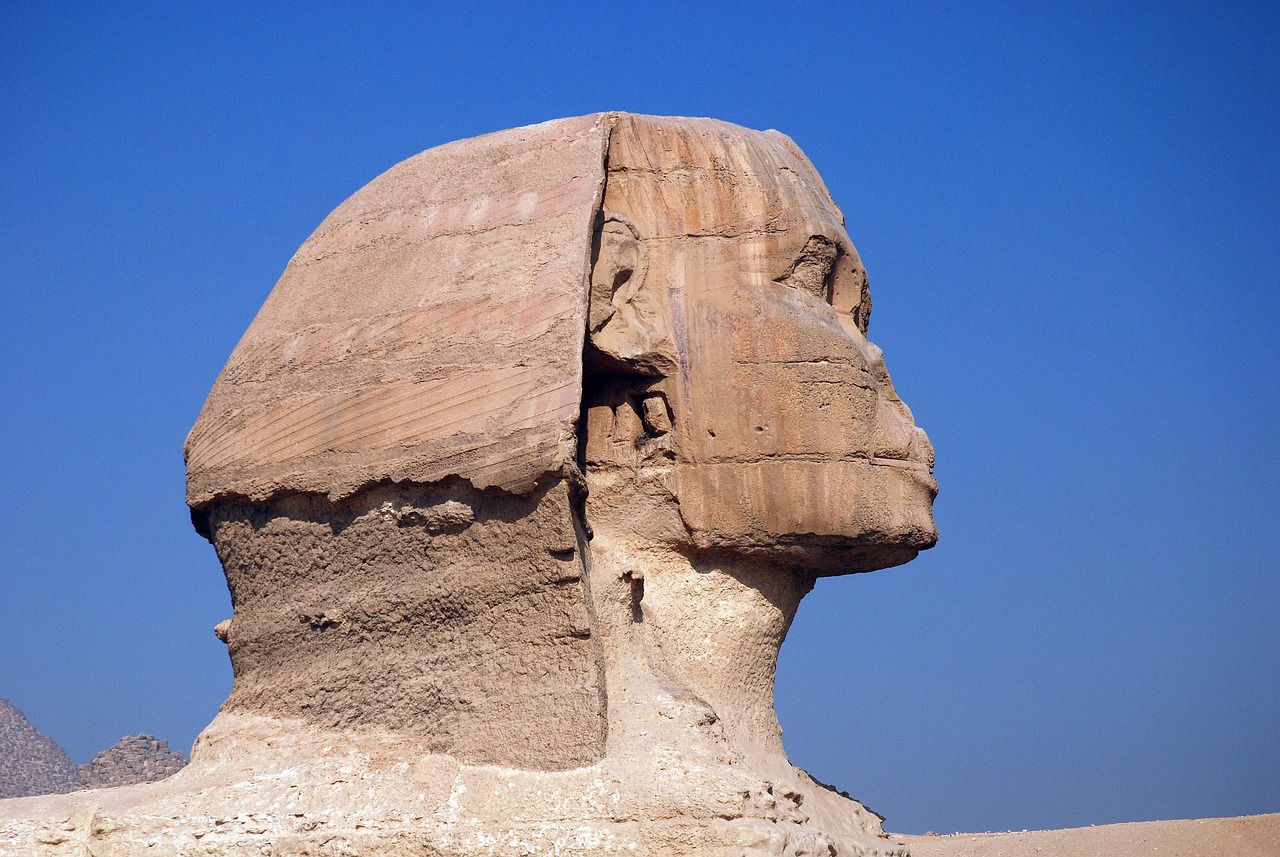
The Great Sphinx of Giza in Egypt stands deliberately facing east, towards the rising sun, symbolising ancient sun worship and rebirth. In contrast, the Luxor’s replica, a prominent feature on the Las Vegas Strip, looks west, turning away from the sunrise.
This myth has gained traction through social media, ghost tours, and various blogs that attribute a series of tragic occurrences at the Luxor to the Sphinx’s improper alignment. Notable incidents include:
- The tragic death of Steven Yandell, a 42-year-old construction worker from Arizona, who was fatally injured by a boom on December 23, 1992, during the hotel’s construction.
- The September 25, 1996, suicide of a woman who jumped from a balcony on the 26th floor, landing near the buffet area.
- A motion-activated pipe bomb explosion in the Luxor’s parking garage on May 7, 2007, that claimed the life of 27-year-old Willebaldo Antonio, who worked in the food court.
A recent post from the “Buzzed Vegas” Facebook page suggested that the Sphinx’s orientation is displeasing to the Egyptian gods, reinforcing the myth among its followers.
Myth Interpretation
The design of the Luxor resort was part of a broader strategy by Circus Circus Enterprises to expand its themed resorts following the success of their Excalibur and prior to the opening of Mandalay Bay. Construction on the resort began in early 1992, with plans for an Egyptian-themed hotel featuring a pyramid-shaped structure and a Nile River ride surrounding the casino.

Interestingly, the Sphinx design wasn’t initially in the original plans. Its location was strategically chosen to maximise visibility for the heavy traffic along the Las Vegas Strip. It was thought that the Sphinx must face the Strip to attract visitors, as a backward-facing structure would be less likely to draw attention.
The Luxor is situated on the west side of the Strip, which runs north to south, with its entrance facing east. Thus, the claims of the Sphinx facing west are fundamentally incorrect. It actually faces east, aligning with the orientation of its historical counterpart in Giza, contrary to the myths circulating.
While many tales swirl about the Luxor’s dark past, assessing the accuracy of such claims need not delve into speculative paranormal debates. The facts surrounding the Sphinx’s orientation demonstrate a clear direction towards the east.
So, before attempting to be an authority on such topics, it’s essential to confirm the core facts—particularly when it comes to discerning east from west.
For more thrilling tales of Vegas myths debunked, check out the weekly series, “Vegas Myths Busted,” featured on Grand Rush Online. Share your own suggestions for legends that need debunking!