Rhode Island Sports Betting Market Could Expand, but Legal Hurdles Complicate Process

Rhode Island Sports Betting Market Could Expand, but Legal Hurdles Complicate Process

Rhode Island’s sports betting landscape is on the cusp of potential expansion, although numerous barriers remain. The Rhode Island Lottery oversees all gambling activities in the state, including sports wagering.

  • Recent Developments: The Rhode Island Lottery has received eight submissions in response to its Request for Information (RFI) from qualified sports wagering service providers, potentially interested in investing in the state’s betting market.
  • Current Situation: Presently, the only sports betting option available to Rhode Islanders is Sportsbook Rhode Island, powered by IGT, the Lottery’s partner responsible for lottery games and video lottery terminals at the state’s two casinos.

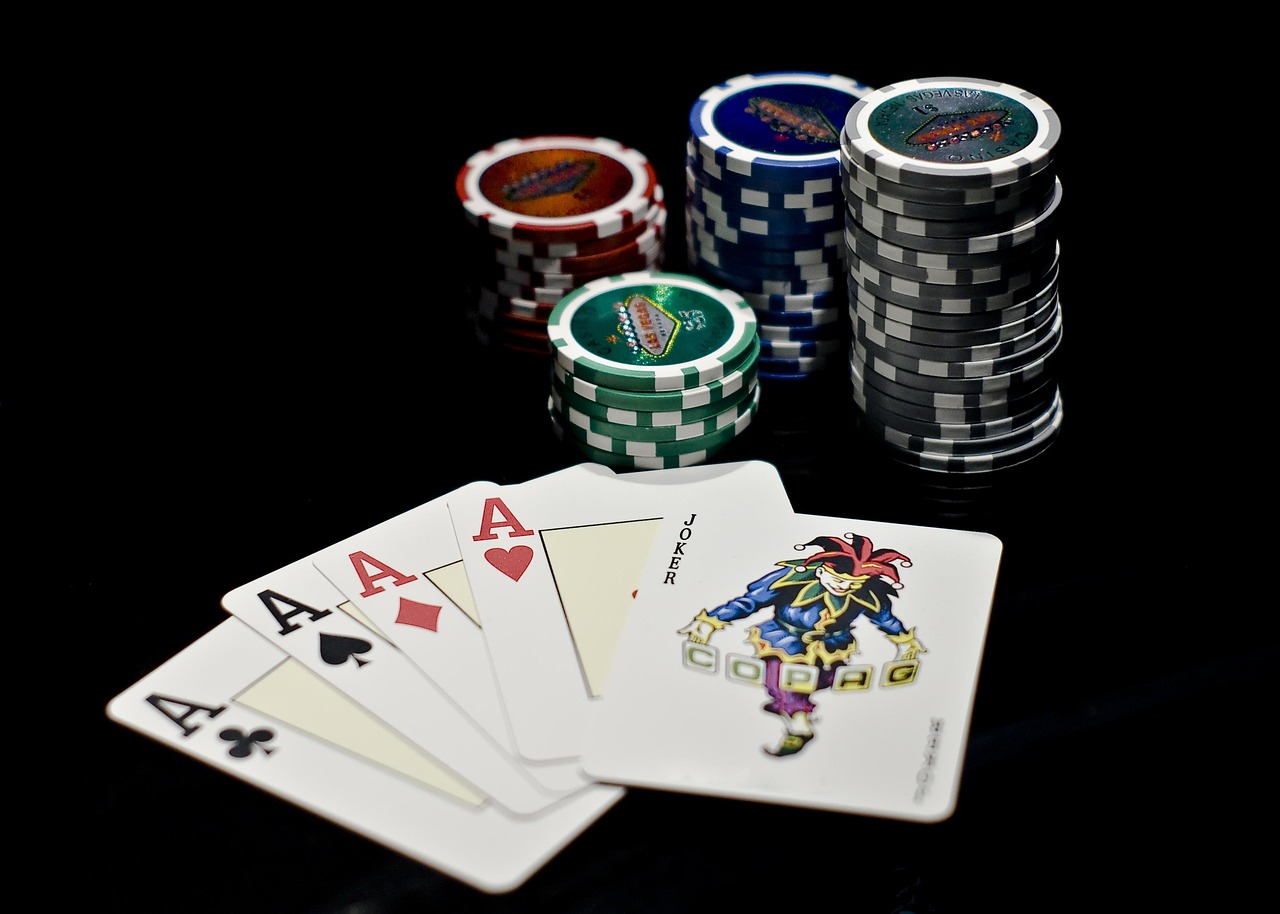
Sports betting
Image by bianca-stock-photos from Pixabay

IGT’s operational contract for the Rhode Island Lottery’s sports betting segment is set to expire on November 25, 2026. Earlier this year, the Lottery enlisted Spectrum Gaming to investigate the implications of a potential sports betting expansion on state revenue and benefits.

Spectrum Gaming has advised conducting an RFI before the end of 2025 to explore alternatives to the current B2B provider and gauge interest from any B2C providers interested in Rhode Island’s existing single-provider model.

Challenges to Expansion

The Rhode Island Constitution mandates that all forms of gambling be managed through the state-run Lottery. Rhode Island’s 2018 sports betting legislation specifically empowers the Lottery to oversee all operational and regulatory aspects of the betting industry.

According to the IGT agreement, 51% of the gross revenue from sports betting is allocated to the state. Bally’s, which runs the two VLT casinos—Bally’s Twin River Lincoln and Bally’s Tiverton—receives 17% of sports betting profits, while IGT retains the remaining 32%.

Additionally, the towns of Tiverton and Lincoln benefit from an annual payment of $200,000 for hosting the physical sportsbooks within the Bally’s facilities.

The Lottery’s RFI responses include major entities like DraftKings, FanDuel, Fanatics, BetMGM, Kambi, and OpenBet; however, their feedback is yet to be disclosed. Spectrum raises concerns that could dissuade interest from these sportsbook operators. Legislative changes could be necessary to facilitate market entry.

Spectrum suggests that Rhode Island consider reducing its effective tax rate to about 20% to 35%, minimize the multi-year host fee payments to Bally’s, and implement a flat-fee annual license renewal for participants.

Another major obstacle is the legal stipulation that all Class III casino gambling, including sports betting, can only occur within land-based casinos. Although online betting has been sanctioned, it mandates that all servers handling online wagers be located physically within Bally’s casinos.

A significant advantage for prospective participants is that Rhode Island permits individuals aged 18 and older to place sports bets. In contrast, both Massachusetts and Connecticut impose a minimum betting age of 21.

The Smallest State Faces Big Taxation

Rhode Island’s 51% tax on gross sports betting revenue aligns it with New York and New Hampshire for the highest in the nation. Major sportsbooks are willing to share their profits due to New York’s large population of about 20 million, whereas Rhode Island’s population is under 1.2 million.

During the 2025 fiscal year, New York’s sportsbooks processed $24 billion in bets, generating over $2.1 billion in gross revenue. In contrast, Rhode Island’s sole sportsbook accepted $473 million in bets, retaining less than $37.8 million.

Summary

The Rhode Island sports betting market is ripe for expansion, but it must navigate through complex legal challenges and taxation policies. With the Rhode Island Lottery actively soliciting feedback from various sports wagering firms, the state may soon determine its path forward in the sports betting arena. By addressing legislative hurdles, Rhode Island could enhance its position in the competitive landscape of sports gambling.


Singapore Casino Resort Expansion Could Lift Sands Earnings

Singapore Casino Resort Expansion Could Lift Sands Earnings

  • Marina Bay Sands’ $8 billion expansion could significantly boost operator’s earnings.
  • This venture may enable Las Vegas Sands to reduce leverage, according to Moody’s.

Las Vegas Sands (NYSE: LVS) has initiated a monumental $8 billion expansion of its Marina Bay Sands casino resort in Singapore, marking it as one of the most extravagant projects in the gaming sector. With the completion of this ambitious venture, investors may stand to gain positively.

City architecture
Image by Antonio_Cansino from Pixabay

According to a recent report released by Moody’s Investors Service, the expansion should drive a notable increase in visitor numbers to the integrated resort. This uptick is expected to lead to a rise in the operator’s earnings per share (EPS) and facilitate repayment strategies to decrease debt.

“Once completed, we anticipate this property will result in a substantial increase in visitation at Marina Bay Sands, leading to considerable earnings and a capacity to reduce leverage,” noted the ratings agency.

Moody’s has assigned Sands a rating of “Baa3”, just above junk status, with a “stable” outlook. This perspective stems from Sands’ solid liquidity position along with the likelihood that EPS and free cash flow will improve sufficiently for the operator to effectively manage its debt burdens. So far this year, Sands has invested roughly $2.2 billion, leaving $5.88 billion available under a delayed draw term loan specifically aimed at financing operations in Singapore, as reported by Moody’s.

Importance of Singapore Casino Expansion for Sands

The $8 billion expansion of an existing gaming site surpasses the expenditure of the latest land-built casinos in the United States. An investment of this magnitude could allow Sands to create two new integrated resorts on the famed Las Vegas Strip, but the anticipated returns from the Singapore expansion could be substantial.

Marina Bay Sands is currently regarded as one of the most profitable casino hotels globally. Its position is strengthened as it maintains a competitive edge over Genting’s Resorts World Sentosa, with recent data reflecting an increase in market share for the Sands property.

During the second quarter, Marina Bay Sands’ earnings before interest, tax, depreciation, and amortization (EBITDA) were so robust that they could surpass the entire annual performance of Resorts World Sentosa.

Moody’s analysis also highlighted that MBS’s projected 2024 EBITDA could exceed the previous record of $2.05 billion set in 2019, before the COVID-19 pandemic.

“Singapore’s performance has remained strong throughout 2025,” the research firm concluded.

Details on Singapore Casino Expansion

The Marina Bay Sands expansion is noteworthy in its scale, featuring a brand-new hotel tower standing at 55 stories. This addition will comprise 570 suites, along with enhanced amenities such as more swimming pools, dining establishments, and versatile spaces for public and private use.

Key features will include a 15,000-seat entertainment arena and 200,000 square feet earmarked for meetings, incentives, conventions, and exhibitions (MICE), as well as high-end retail shops and spas. These non-gaming facilities are viewed favourably by Singaporean authorities, keen on attracting visitors beyond just gambling.

On the gambling side, Sands operates in both Macau and Singapore, benefitting from the high standard, popularity, and reputable nature of its casino properties, as stated by Moody’s.

Key Takeaways

  • The Marina Bay Sands expansion is viewed as critical for increasing overall revenue.
  • Moody’s report reflects a stable outlook, with potential for significant visitor and earnings growth.
  • The project exemplifies how strategic investments in non-gaming amenities can appeal to a wider audience.

This ambitious expansion not only shows Las Vegas Sands’ commitment to growth but also signifies a turning point for the gaming landscape in Singapore and possibly beyond.

Norfolk Leases City Property Leased for Casino Construction to Boyd Gaming

Norfolk Leases City Property to Boyd Gaming for Casino Construction

Norfolk is setting the stage for a significant development in the local entertainment scene by leasing approximately four acres of city-owned land to Boyd Gaming. This will facilitate the casino construction of a $750 million casino project situated next to the Harbor Park Minor League Baseball stadium.

Casino
Image by cyberneco from Pixabay

This week, the Norfolk City Council approved the Boyd Gaming Corporation lease, enabling them to use the land for construction staging, parking, and equipment management.

Key Lease Details

  • Initial Payment: Boyd will pay $5,000 per month, amounting to $60,000 annually for using 3.87 acres.
  • Lease Duration: The lease is valid until December 31, 2027.
  • Flexible Payments: During the final year, Boyd is allowed to adjust the rental payment based on the area they occupy.
  • Rent Increases: The monthly rent is set to increase by 3% on each anniversary of the lease start date.

Norfolk Casino Development

The new Norfolk casino is being developed in collaboration with the Pamunkey Indian Tribe, which is the city’s exclusive gaming developer. This follows a 2020 decision by Virginia lawmakers to allow commercial gaming in the city.

Initially proposed as a tribal casino, the project transitioned to a commercial format after the Pamunkey Tribe sold its majority stake to Boyd Gaming. Following this acquisition, Boyd has fast-tracked the construction licensing and approval process, with construction expected to ramp up significantly in the coming months.

Additionally, the casino blueprint includes:

  • 200-room hotel
  • 1,500 slot machines and 50 table games
  • A sportsbook for betting
  • Eight dining and beverage outlets
  • A fully equipped gym
  • A rooftop deck for leisure and entertainment
  • 13,000 square feet of meeting space for conferences and events
  • A 1,000-space parking garage, including designated spots for Amtrak clients

Temporary Casino Plans

In the interim, Boyd is required to launch a temporary casino on-site by **November 15**. This is a stipulation from the local referendum approved by Norfolk voters, which mandates that some form of gaming commence at the designated location within a five-year threshold following approval.

The temporary casino, dubbed “The Interim Gaming Hall,” will feature 130 slots, without table games or sports betting facilities, and is expected to operate seven days a week, from 10 am until 2 am. The venue will also provide food and drink options, including alcohol, through an on-site food truck.

Community Impact

The Norfolk casino development is estimated to create around 850 jobs, significantly boosting local employment and contributing to economic growth in the area. As the project unfolds, the city anticipates that the casino will draw visitors, thereby enhancing tourism and local commerce.

With plans solidifying to open by **2027**, this casino initiative is poised to dramatically transform Norfolk’s entertainment landscape, providing both immediate and long-term benefits for its residents.

New York Casino Licenses: Board Meets to Determine Winners for First Time | 10BET

New York Casino Development Board Meets to Evaluate Bidders for Crucial Casino Licenses

The New York Gaming Facility Location Board convened recently to discuss the outcomes of a competitive bidding process held by the state for available downstate casino licenses, a crucial step in planning for future casino development. This meeting marks the first time the board has assembled since the deadline for submissions on June 27.

  • Key points from the meeting:
  • Four proposals are vying for three casino licenses.
  • The Board has no obligation to award all three licenses.
  • The meeting emphasized the need for a thorough review of the bids.

During this vital gathering, the board analyzed four remaining bids following the initial submission from eight contenders for the sought-after casino operating permissions, which include the right to offer a broad spectrum of gaming options such as live table games and retail sports betting. The Community Advisory Committee helped truncate the field to these final bids, which received local backing.

Gaming facility
Image by RitaE from Pixabay

Among the notable bids still in contention are:

  • Bally’s Bronx: A $4 billion proposal located at Ferry Point Park.
  • MGM Empire City: A reimagined gaming landscape for Yonkers, proposed for $2.3 billion.
  • Hard Rock Metropolitan Park: A massive investment of $8.1 billion tied to the New York Mets’ Citi Field.
  • Resorts World New York City: Proposing a redevelopment of their existing video lottery facility with a budget of $5.5 billion.

Each of these licenses will demand a hefty upfront payment of $500 million. The outcomes will significantly influence the landscape of gaming and entertainment options available in the region.

Board Composition

The New York Gaming Facility Location Board encompasses a diverse group of five seasoned professionals well-versed in finance, urban planning, and economic development. Recently appointed member Cindy Estrada, who has deep roots within the Bronx as a business owner, adds fresh perspectives to this established panel.

  • Main Members:
  • Cindy Estrada – New to the board, she leads the NYC Hispanic Chamber of Commerce.
  • Terryl Brown – The vice president and general counsel at Pace University.
  • Marion Phillips III – Senior VP for community development with prior experience in NYS Empire Development.
  • Greg Reimers – Retired executive from JPMorgan Chase, contributing financial expertise.
  • Vicki Been – Chair of the board, holding a faculty position at NYU.

“We’ve gotta find out which proposals can be built quickly and effectively to provide economic benefit.” – Vicki Been

Licensing Considerations

Interestingly, while the board can issue a maximum of three licenses, they are not obliged to award any should the proposals fall short of development or economic goals.

This decision-making process will aim to uncover which projects are not only financially viable but also align with the strategic aims of enhancing job creation and community development within the state. The review aims at ensuring that application robustness meets expectations.

The board’s clear message is that even if several bids may look appealing, they will only award licenses if all criteria are successfully met. The wrap-up of this review process may take some time, as careful consideration is needed to make a fair assessment.

Summary

The meeting of the New York Gaming Facility Location Board signifies a crucial moment for the future of casino operations in the state. With four competitive bids under consideration, the next steps are pivotal in determining if and when New York will expand its gaming offerings. Each of the proposals presented a unique approach to developing vibrant gaming venues that promise to bring substantial economic benefits to the communities involved.

As these developments unfold, stakeholders and gaming enthusiasts alike will be keen to monitor the outcomes and implications for the broader gaming industry.

NCAA Set to Approve Sports Betting for Student-Athletes on Pro Sports

Sports betting
Image by clarencealford from Pixabay

NCAA Set to Approve Sports Betting for Student-Athletes in Pro Sports

The NCAA is likely to permit its student-athletes across all divisions (I, II, and III) to participate in betting on professional sports in a significant policy shift. This move comes as part of an effort to align NCAA regulations with the contemporary landscape of sports betting and to promote responsible gaming practices among college athletes.

Current Policy and Proposed Changes

  • Under existing NCAA rules, student-athletes are strictly prohibited from any form of sports betting.
  • The NCAA’s Division I Board of Directors recently passed a proposal that would amend this ban.
  • If approved unanimously across all divisions, the changes could come into effect by November 1, 2025.

Reports indicate that the administrative committee emphasised the need to reduce stringent restrictions for student-athletes, thereby allowing them to engage in sports betting under regulated conditions. This change is particularly geared towards promoting fair play and maintaining the integrity of college sports.

Reasons Behind the Policy Shift

The NCAA’s leadership acknowledges the growing trend of sports gambling among college students. A study revealed that:

  • 67% of college students engage in sports betting regularly.
  • Over 40% of students have placed bets on their own college teams.
  • Approximately 16% of college students have participated in risky betting behaviours.

This significant engagement in betting indicates a cultural shift among students, signifying that awareness and education surrounding responsible gambling are essential. The NCAA aims to facilitate a better understanding of safe betting practices while allowing student-athletes to participate in this growing sector.

Medical Perspective on Gambling Among College Athletes

The NCAA’s approach is also supported by its medical professionals. Dr. Deena Casiero, the NCAA’s chief medical officer, remarked:

“Abstinence-only approaches to tackling social issues often don’t succeed. Education about risks paired with open dialogue allows colleges to help students make informed decisions without fear of losing eligibility.”

By allowing regulated sports betting, the NCAA could help cultivate a safer environment for student-athletes who choose to wager on sports. Regulated betting could diminish the risks associated with unregulated offshore betting sites.

Monitoring and Compliance

To ensure compliance, the NCAA plans to implement rigorous monitoring systems. The organisation oversees more than 540,000 student-athletes across 1,000 schools participating in various sports. Technology from third-party monitoring services will play a crucial role in maintaining compliance with the new betting regulations.

Conclusion

The NCAA’s potential decision to allow student-athletes to engage in sports betting reflects shifting cultural attitudes toward gambling. This policy change aims to ensure student-athletes can participate in betting legally and responsibly, aligning collegiate policies with societal trends. As the landscape of sports betting continues to evolve, the NCAA is taking steps to embrace this change while prioritising education and safety for its student-athletes.

Key Takeaways

  • Approval for gambling on pro sports for NCAA student-athletes could be completed by November 2025.
  • Current prohibitory measures may be revised to allow regulated sports betting.
  • Responsible gambling education will be a focus of NCAA initiatives to promote safe betting habits.

Overall, this upcoming decision by the NCAA is positioned to reshape how student-athletes navigate the sports gambling landscape in the future.

Play Alberta Signs Draisaitl and Wolf as Responsible Gambling Ambassadors

Play Alberta Signs Draisaitl and Wolf as Responsible Gambling Play Ambassadors

Alberta Gaming, Liquor and Cannabis (AGLC) has made the exciting announcement of partnerships with NHL stars Leon Draisaitl and Dustin Wolf as the new faces for their responsible play initiative, emphasizing Responsible Gambling. These athletes will work to promote safe gaming practices through the Play Alberta platform, which is dedicated to ensuring players are informed and responsible when engaging in gaming activities.

Hockey warmups
Image by nomayne from Pixabay

Supporting Responsible Gambling

Draisaitl and Wolf have been brought on board to advocate for the AGLC’s social responsibility messages, specifically the GameSense and Self-Exclusion programs. They will participate in marketing efforts aimed at ensuring players are well aware of the various tools designed to help them maintain control over their gambling.

Key gambling resources include:

  • Bet limits to help manage losses
  • Deposit caps that can be tailored to individual budgets
  • Voluntary breaks from gambling activities
  • Scheduled Reality Checks to enforce mindful play

Exclusive meet-and-greet events are also part of the initiative, giving fans and followers a chance to connect with Draisaitl and Wolf while promoting awareness on responsible gambling.

Draisaitl’s MVP Campaign

Leon Draisaitl comes into this role as a frontrunner for the league’s Most Valuable Player award, providing added excitement to his new ambassador role. Dan Keene, Vice President of Gaming at AGLC, remarked:

“The addition of two elite athlete ambassadors will enable us to connect Alberta’s sports enthusiasts with our local teams and highlight the responsible gambling features we offer.”

Play Alberta has swiftly established itself as the premier platform for legal sports betting in the province, boasting over 434,000 registered user accounts.

Betting Insights and Industry Impact

At BetMGM, Draisaitl’s odds to win the MVP are currently set at +1000, with his teammate Connor McDavid leading at +190. Other notable competitors include Nathan MacKinnon and Kirill Kaprizov.

Draisaitl expressed his enthusiasm for engaging more deeply with his community through the Play Alberta initiative by stating:

“It’s great to work with a local brand that promotes responsible gambling while creating meaningful interactions with the community, through meet-and-greets and events.”

Overview of Play Alberta’s Growth

In recent years, Play Alberta has seen substantial growth, with the platform reporting a net sales figure of $275 million for the fiscal year 2024-25, an encouraging increase of $35 million from the previous year. This upward trend highlights the increasing acceptance and popularity of online gaming across Alberta.

Furthermore, the Oilers and Flames are recognised as prominent players in the Stanley Cup race, adding further excitement to the engagement of fans in the discussions surrounding responsible gambling and the sports betting realm.

In summary, the partnership between AGLC and NHL stars Leon Draisaitl and Dustin Wolf not only reinforces the commitment to responsible gaming practices but also invigorates the Alberta gaming community by providing players with exclusive resources and events aimed at fostering a safe gaming environment. As Play Alberta continues to grow, the voices of these athletes help amplify essential messages surrounding responsible gambling.

Atlantic City Stabbing at Harrah’s Nightclub Raises Casino Safety Questions

Atlantic City Stabbing at Harrahs Nightclub Raises Casino Safety Concerns

  • Braxton sentenced for stabbing during Harrah’s casino nightclub brawl.
  • Surveillance video showed knife attack amid Thanksgiving weekend fight.
  • Judge imposed 7½-year term under No Early Release Act.

A 27-year-old man, Dante Braxton, was sentenced to seven and a half years in state prison for a stabbing that took place during a brawl at the nightclub “The Pool in Harrah’s Casino” in Atlantic City, according to the Atlantic County Prosecutor’s Office. This incident occurred on Thanksgiving weekend of 2022, highlighting ongoing concerns about casino safety and nightlife safety in casinos.

Prison crime
Image by Ichigo121212 from Pixabay

Braxton pled guilty in August to charges of second-degree aggravated assault and third-degree possession of a weapon for an unlawful purpose. Under New Jersey’s No Early Release Act, he must serve 85% of his sentence before being eligible for parole and will be under intense parole supervision for three years after his release.

Melee Breaks Out

On November 24, 2022, police responded to an incident at Harrah’s Casino where they found a man suffering from stab wounds to the elbow and abdomen. Surveillance footage and videos from patrons revealed Braxton attacking the victim amidst chaotic scenes as fights broke out around them.

Fortunately, the victim survived the stabbing but required medical treatment for non-fatal injuries. In light of these events, security footage revealed a lapse in safety measures: Braxton had triggered a metal detector upon entry but was not properly searched by security personnel, raising questions about casino safety protocols.

Notably: The victim had initially been dismissed by the defense as not having received serious injuries, but the attack was confirmed in subsequent hearings.

In March 2023, Braxton was released following a prior detention hearing where the defense cast doubt on the alleged victim’s injuries. However, he was later returned to custody on other drug charges.

Prior Convictions

In August 2025, Braxton accepted a plea deal in which he admitted to the stabbing, officially committing to the seven-and-a-half-year sentence. This plea came along with concurrent sentences related to other charges, including possession of controlled substances and obstruction of justice.

Braxton has a history of convictions, having previously served five years in prison for a separate weapons case involving a stolen firearm from Colorado. The Thanksgiving incident garnered significant media attention, emphasizing the need for increased security and safety measures within casino venues.

This case, like many others, raises serious discussions about safety measures in casinos—a crucial issue for patrons and staff alike. It also underscores a broader crisis regarding violence in nightlife settings and the importance of maintaining strict safety regulations to prevent future incidents.

Summary

The stabbing incident involving Dante Braxton underscores the need for increased scrutiny and enhanced safety measures within nightlife venues such as casinos. With reports detailing lapses in security measures, this case not only highlights the consequences of violence but also prompts discussions about managing security in entertainment districts. As the gaming and entertainment industry evolves, ensuring guest safety remains paramount for successful operations.

WSOP Champ Cory Zeidman Sentenced for $25M Sports Betting Fraud

WSOP Champ Cory Zeidman Sentenced for $25M in Sports Betting Fraud

Key Highlights: These points summarize the most critical statistics and recent developments within the realm of sports betting.

  • Poker pro sentenced for multi-million-dollar sports betting scam
  • Zeidman misled investors with false claims of insider sports info
  • Homeland Security uncovered a long-running fraudulent handicapping scheme

Cory Zeidman, a winner of the World Series of Poker (WSOP) bracelet, has been handed a 46-month sentence in federal prison after pleading guilty to conspiracy to commit wire fraud. He has also been ordered to pay a restitution amount of $3.7 million to his victims, as reported by PokerNews.

Poker win
Image by Gina_Janosch from Pixabay

The 62-year-old veteran poker player admitted to defrauding clients involved in his sports handicapping business from 2004 to 2020. Together with accomplices, Zeidman falsely claimed to possess “insider knowledge” about sports events, including undisclosed information about player injuries, corrupt referees, and rigged games.

Victims poured approximately $25 million into this fraudulent enterprise, lured by promises of exclusive tips and misleading assurances that sports betting was a “low or no-risk proposition.” This fraud was perpetuated through cleverly designated business names like “Gordon Howard Global” and “Ray Palmer Group,” advertised heavily across national radio stations.

The Fabricated Promises

Potential investors were assured that they were receiving privileged insights through supposed insider tips from doctors and top executives in the sports industry, which made the operational risk seem unrealistically low. Court documents detailed how Zeidman and his group capitalised on the trust and naivety of their clients.

Zeidman was arrested on May 25, 2022, in Florida. Initially, he protested his innocence, claiming authorities had unjustly deprived him of his assets. He was quoted saying, “In the words of Nietzsche, ‘Everything the state says is a lie and everything it has it has stolen.’” Such proclamations starkly contrast with the reality faced by his victims, who exposed the fraud to Homeland Security.

As special agent Charles Walker from Homeland Security stated, “Sports bettors sought Cory Zeidman’s advice before gambling their money, but it was Zeidman himself who was scoring big through his deceptive practices, outright lies, and high-pressure tactics that exploited unsuspecting clients.”

Throughout his 25 years in poker, Zeidman recorded nearly $700,000 in tournament earnings, winning his WSOP title in seven-card stud in 2012. However, this illustrious poker career was overshadowed by an infamous incident in 2005 when he slow-rolled Jennifer Harman, which gained him a notoriety that perhaps exemplifies his complex legacy.

Summary

Cory Zeidman’s case serves as a stark reminder of the potential for deceit in the sports betting world. His lengthy sentence underscores the consequences of violating trust and exploiting the vulnerability of investors. As the gambling landscape continues to grow, it is crucial for bettors to remain vigilant and discerning when evaluating who to trust with their bets.

How Flutter’s Brand Dominance Buffers Its Lead in the Online Sports Betting Market | 10BET

How Flutters Branding Strategy Creates a Winning Edge in Online Sports Betting

  • Flutter’s brand advantages, including FanDuel, “intact” amid rise of prediction markets
  • Analyst cites international exposure, strong balance sheet as other favourable factors

While investors have expressed growing concerns regarding the intersection of football and prediction markets, particularly within the highly competitive landscape of online sports betting, shares of Flutter Entertainment (NYSE: FLUT) have recently decreased by 15.72%. Despite this volatility, a prominent analyst believes that this industry powerhouse possesses the branding strength and market dominance necessary to navigate these challenges and remain a leader in the global online sports betting sector.

Prediction markets
Image by udayteja7770 from Pixabay

According to a report from Morningstar’s Dan Wasiolek, Flutter, as the parent company of FanDuel, is uniquely positioned to harness the growth of iGaming and online sports betting in the United States. As a significant player within a duopoly with DraftKings (NASDAQ: DKNG), FanDuel boasts a revenue share of approximately 35% to 40% in regions where it operates.

Flutter Entertainment has effectively translated its leading technology and product offerings into a globally recognised brand, which constitutes its narrow moat across key markets including the US, UK, Australia, and other notable international markets like Italy,” observes Wasiolek.

FanDuel stands out as one of the most valuable gaming brands globally, with Flutter’s other brands like Betfair, Paddy Power, and Sisal also commanding noteworthy market shares outside of the US. This international presence enables Flutter to mitigate risks associated with prediction markets—something that rival DraftKings lacks.

Flutter Brand Advantages: Competition Killers

While some analysts acknowledge that prediction markets like Kalshi may impact earnings for Flutter and DraftKings, it’s important to note that many experts believe the projected volume of football betting on these markets has been overstated. A general consensus is forming around the idea that FanDuel’s sports betting offerings, especially parlays, are significantly superior to those found on yes/no exchanges.

Moreover, Flutter’s branding advantages have proven lethal against competitors both in the U.S. and globally. Approximately a dozen firms have entered the US sports betting market in recent years, and most have struggled due to their lack of branding and financial strength to compete with Flutter.

“While smaller competitors are falling by the wayside, Flutter’s robust competitive and financial position enables it to acquire emerging digital gaming operators in various international markets, integrating them into its leading product and risk management infrastructures,” Wasiolek adds.

The analyst highlighted that smaller online sportsbooks are aggressively spending to attract new customers; however, this strategy hasn’t significantly chipped away at FanDuel’s market share, affirming that the operator’s brand recognition is indeed a formidable asset.

Flutter Balance Sheet Is Sturdy

Last year, Flutter revealed plans to buy back $5 billion of its stock over subsequent years, a figure which Wasiolek estimates could rise to $6 billion over four years. Since that announcement, the company has continued to repurchase its stock consistently, and the recent dip in prediction markets may present a favorable opportunity for the operator to acquire shares at advantageous prices.

Flutter maintains a manageable debt/earnings before interest, taxes, depreciation, and amortization (EBITDA) ratio, has no imminent debt maturities, and showcases strong cash flow which sufficiently supports both its capital returns to investors and growth through acquisitions.

“We assess Flutter’s financial health as strong. Debt/adjusted EBITDA was established at 3.1 times in 2024, which is deemed manageable given that the company has no significant debt maturing until 2028, when $1.6 billion is anticipated to come due,” concludes Wasiolek. “We foresee no difficulties in servicing the company’s total debt of $9.9 billion, as we forecast approximately $15 billion in free cash flow to the firm throughout the years 2025-29.”

Key Takeaways

  • Flutter remains a dominant force thanks to its strong branding across multiple markets.
  • FanDuel leads the way as a top gaming brand, giving Flutter an edge.
  • The company’s financial maneuvers indicate a solid future with promising cash flow projections.

In conclusion, Flutter Entertainment’s strong brand presence, diverse international operations, and solid financial footing position it well within the competitive sports betting industry amidst the rising challenge of prediction markets. The company’s proactive strategies and branding advantages will likely assist in navigating through uncertain market environments while continuing to grow and innovate.

Torch Electronics Ordered to Pay $500K in Missouri ‘Illegal’ Gambling Machines Case

Torch Electronics Ordered to Pay $500K in Missouri ‘Illegal’ Gray-Market Gambling Machines Case

Key Takeaways: Understanding the dynamics of gambling machines is essential for making informed decisions.

  • Jury finds Torch’s “no-chance” games violate Missouri law.
  • TNT Amusements wins $500,000 in gray-market games case.
  • Verdict may spur crackdown on unregulated video gaming machines.

A recent ruling by a federal jury in Missouri has ordered Torch Electronics, a grey market games operator, to pay $500,000 to the arcade game distributor TNT Amusements. The verdict concluded that Torch’s games are illegal under state law.

convenience store
Image by ElasticComputeFarm from Pixabay

The lawsuit kicked off in 2019, where TNT Amusements accused Torch of unfair competition and tortious interference. They claimed Torch had lured businesses to swap out legitimate arcade machines for what are effectively illegal gambling devices. The case, however, wasn’t settled until 2023 when it moved to federal court for a final decision.

Torch Electronics defended its machines as legal because they employ a “no-chance” or “pre-reveal” design. Players can see the result of the next spin before placing bets, a feature Torch asserts eliminates gambling’s typical element of chance as per Missouri law. Additionally, the machines operate on a fixed sequence of outcomes rather than employing random number generation.

Legal? No Chance

Contrarily, the jury sided with TNT Amusements, arguing that the lengthy sequences and randomized starting points rendered the results unknowable. As users typically engage with multiple spins, they essentially pay to uncover outcomes that remain uncertain until they proceed to the next spin.

This landmark ruling represents the first judicial examination of the legality surrounding Missouri’s so-called gray machines. Although the jury’s decision is civil, it has significant implications for future enforcement initiatives against similarly unregulated machines across the state.

A Significant Impact

Evidence revealed in court showcased that between 2017 and 2023, players invested approximately $32 million into around 100 of Torch’s machines situated across just 20 venues, with a reported payout rate of 65%. The Missouri Gaming Commission estimates over 15,000 Torch machines are currently operating throughout the state.

Unlike sanctioned casinos, Torch’s operations lack stringent state oversight, reporting, or taxation protocols, raising concerns regarding public safety and regulation.

‘Disgorgement of Millions’

Mark Finneran, the attorney representing TNT, expressed gratitude to the jury for recognizing Torch’s misleading advertising. The determination enables TNT to pursue further legal action aimed at recovering millions in profits that Torch allegedly garnered through the deceptive marketing of its devices as “no-chance” games.

Currently, Torch plans to appeal this decision, which establishes a precedent within the growing landscape of gaming regulations.