
Tag Archive for: Gaming Regulation

Tribal Sovereignty Gaming Debate Follows Ninth Circuit Prediction-Market Decision
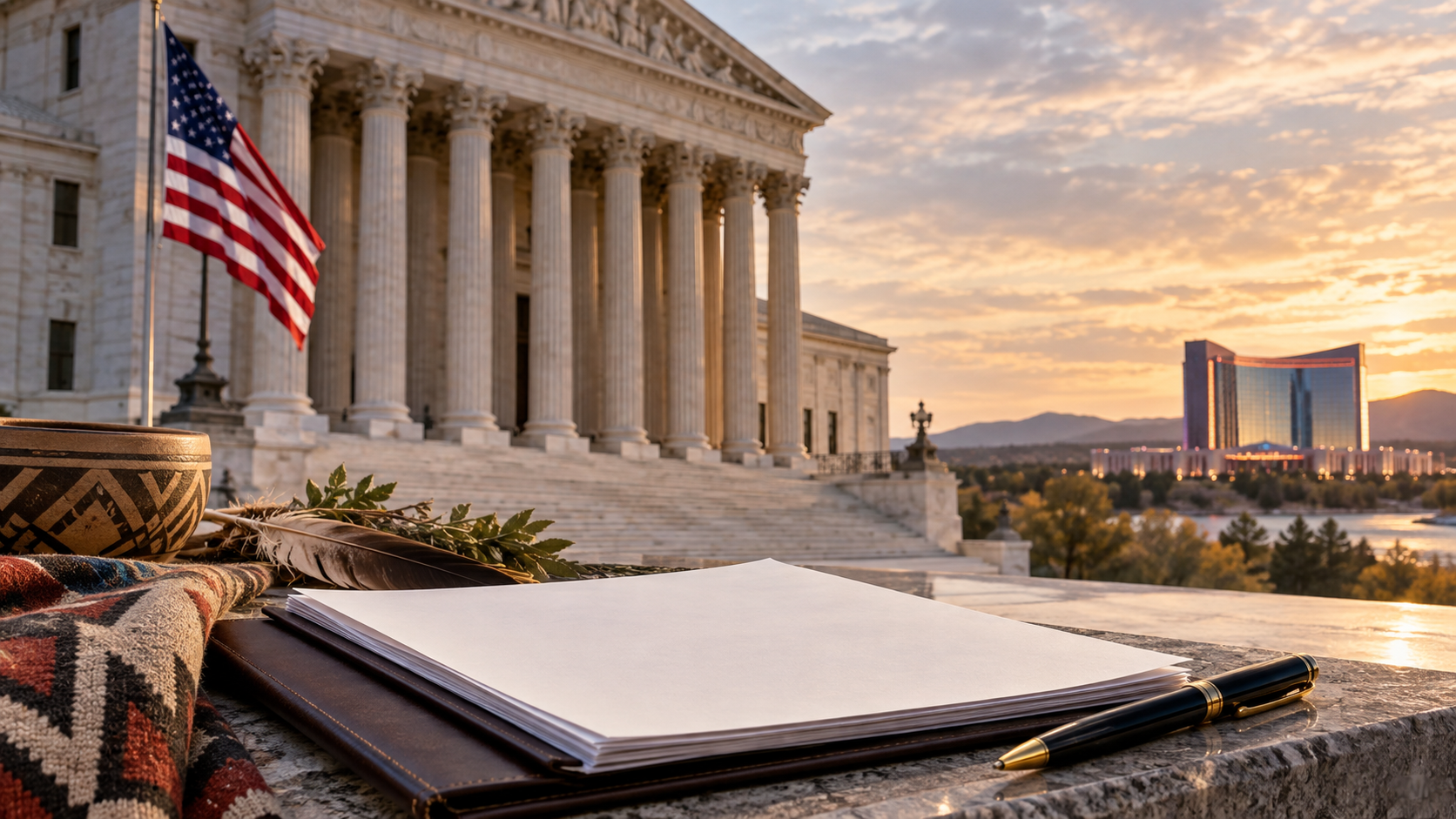
Editorial illustration of tribal sovereignty, a federal appeals court, and American Indian gaming policy

Tribal Sovereignty Gaming Debate Follows Ninth Circuit Prediction-Market Decision

tribal sovereignty gaming is at the center of this U.S. gaming-news briefing after IGA Chairman Bean: Ninth Circuit Decision a Victory for Tribal Sovereignty was reported by Indian Gaming on September 17, 2026. This original summary keeps the source visible while adding context for readers following casino, gambling, and sports-wagering markets.

What the report says

Legal & Legislative IGA Chairman Bean: Ninth Circuit Decision a Victory for Tribal Sovereignty September 17, 2026 Facebook Twitter Linkedin Email WASHINGTON, D.C. – Indian Gaming Association (IGA) Chairman David Z. Bean issued a statement following a Sept. 16 U.S. Court of Appeals for the Ninth Circuit decision that reversed in part a lower court ruling in Blue Lake Rancheria, et al. v. Kalshi, Inc., et al. , finding the tribes are likely to succeed on their claims that Kalshi’s sports-event contracts on tribal lands violate the Indian Gaming Regulatory Act (IGRA). The Ninth Circuit reversed in part the district court’s November 2025 denial of preliminary injunctive relief, finding the tribes are likely to succeed on their IGRA claims. The court remanded the case for the district court to consider the remaining factors required for a preliminary injunction. The ruling comes amid a broader national legal and policy debate over sports-related prediction markets and the extent to which federally registered exchanges may offer products th

The cited report describes a specific development rather than a complete picture of the national market. A regulator agenda, technology announcement, court filing, event preview, property plan, survey, or company update can matter while leaving important questions open. Readers should separate confirmed details from interpretation, estimates, allegations, and future possibilities.

Why tribal sovereignty gaming matters

Describe the association statement and court development as an ongoing legal and policy issue, not a final nationwide rule or a guarantee about future market access.

The wider context includes Ninth Circuit tribal gaming, tribal sovereignty and event contracts, California tribal gaming. These phrases frame the topic, but they do not add facts that the source did not establish. U.S. casino and gambling markets are shaped by state law, tribal sovereignty, licensing conditions, tax rules, technology, advertising standards, court decisions, and consumer-protection expectations.

That state-by-state structure is important. A development in one jurisdiction, a federal court case, a company announcement, or a market estimate does not automatically change the rules or customer experience everywhere else. The relevant jurisdiction, agency, court, company, organization, or operator should be identified before a broad conclusion is drawn.

What operators, regulators, and consumers should watch

Operators will read this news through product design, compliance, workforce decisions, customer experience, and long-term positioning. Regulators will focus on authority, disclosure, the public record, and whether appropriate protections are in place. Consumers should ask practical questions: which product, event, property, or proposal is involved, what terms apply, which jurisdiction is relevant, and whether the story changes anything they can legally do today.

The next useful evidence may come from official notices, court records, company filings, audited results, implementation dates, event details, or later reporting. Follow-up information can clarify whether a proposal advances, a technology reaches more properties, a preview becomes an event, a forecast changes, or a dispute produces a formal decision. Until then, it is more accurate to call this a current development than proof of a lasting market shift.

Related reading and official context

Readers can compare the original report with U.S. Court of Appeals for the Ninth Circuit and National Indian Gaming Commission. Related coverage on this site includes Gambling Loss Deduction Debate Keeps Tax Rules in the Spotlight for Bettors, Unraveling the Myth: The Great Vegas Heist of the Casino Chips | 10BET, Casino Money Laundering Warnings Put Compliance Duties in Focus. These links provide context and primary information, not endorsements of an operator, promotion, investment, event, or wager.

FAQ

Does this update change gambling rules everywhere in the United States?

No. Casino, lottery, sports-betting, and prediction-market rules remain shaped by state law, tribal compacts, licensing conditions, court decisions, and regulator guidance. A development in one jurisdiction or company does not automatically apply nationwide.

What should readers verify before acting on this news?

Check the original source, publication date, relevant regulator or organization, current terms, and whether the information is a proposal, estimate, allegation, preview, report, or completed action. For legal, tax, or financial questions, use current official materials and qualified professional advice.

How can gambling stay recreational?

Set a budget and time limit before play, avoid chasing losses, take breaks, and treat gambling as entertainment rather than income. If it stops feeling manageable, contact a qualified gambling-support service.

Responsible gambling: Gambling involves risk and is not a guaranteed way to make money. Only participate where legal, use funds you can afford to lose, set limits in advance, avoid chasing losses, and seek qualified support if gambling affects your finances, relationships, or wellbeing. The National Council on Problem Gambling provides confidential information and support.

Original source: IGA Chairman Bean: Ninth Circuit Decision a Victory for Tribal Sovereignty from Indian Gaming. This is an original summary and context piece based on that report.
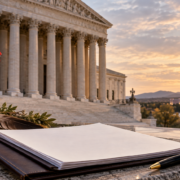
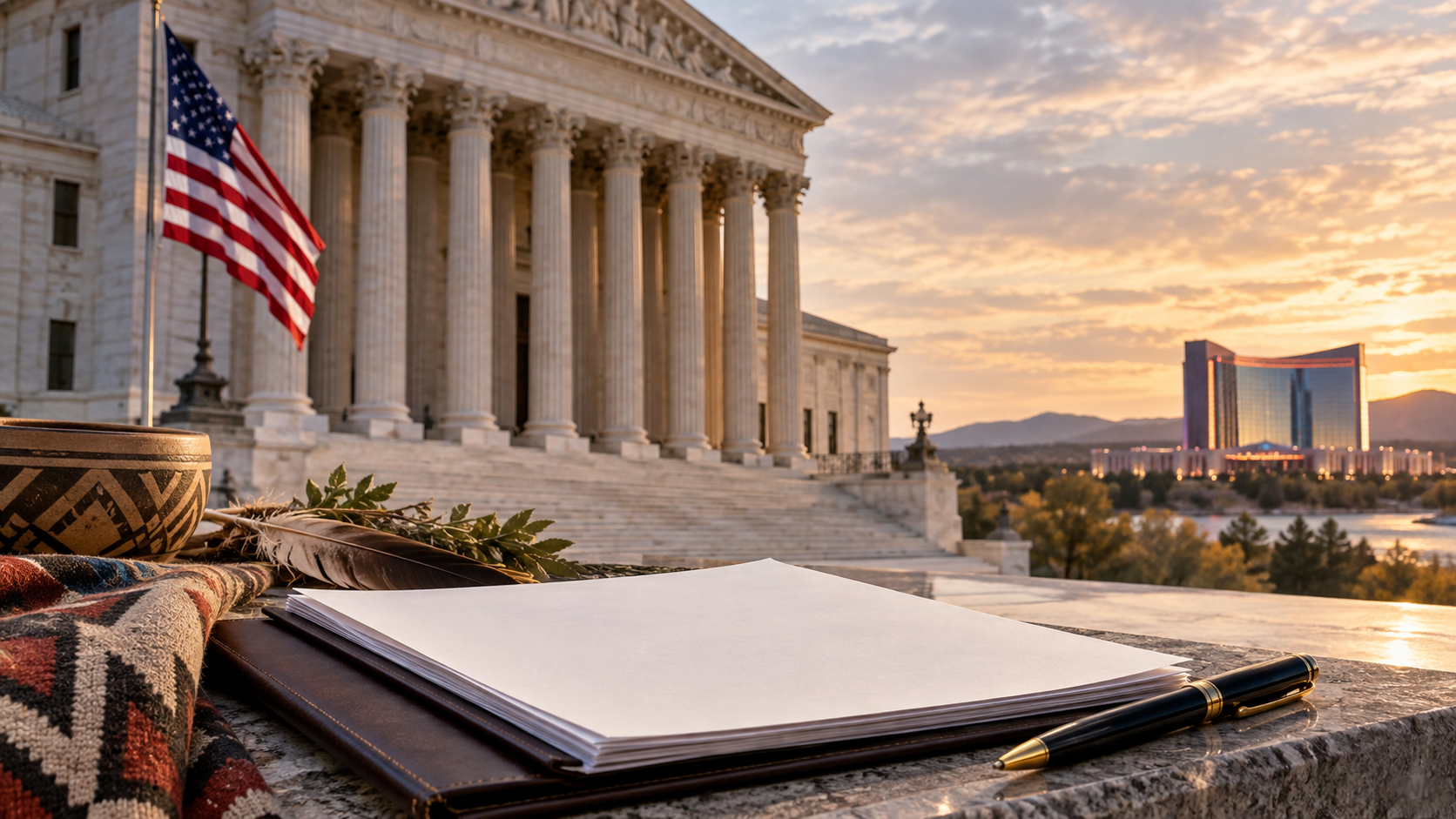
Editorial illustration of tribal sovereignty, a federal appeals court, and American Indian gaming policy

Tribal Sovereignty Gaming Debate Follows Ninth Circuit Prediction-Market Decision

Tribal Sovereignty Gaming Debate Follows Ninth Circuit Prediction-Market Decision

tribal sovereignty gaming is at the center of this U.S. gaming-news briefing after IGA Chairman Bean: Ninth Circuit Decision a Victory for Tribal Sovereignty was reported by Indian Gaming on September 17, 2026. This original summary keeps the source visible while adding context for readers following casino, gambling, and sports-wagering markets.

What the report says

Legal & Legislative IGA Chairman Bean: Ninth Circuit Decision a Victory for Tribal Sovereignty September 17, 2026 Facebook Twitter Linkedin Email WASHINGTON, D.C. – Indian Gaming Association (IGA) Chairman David Z. Bean issued a statement following a Sept. 16 U.S. Court of Appeals for the Ninth Circuit decision that reversed in part a lower court ruling in Blue Lake Rancheria, et al. v. Kalshi, Inc., et al. , finding the tribes are likely to succeed on their claims that Kalshi’s sports-event contracts on tribal lands violate the Indian Gaming Regulatory Act (IGRA). The Ninth Circuit reversed in part the district court’s November 2025 denial of preliminary injunctive relief, finding the tribes are likely to succeed on their IGRA claims. The court remanded the case for the district court to consider the remaining factors required for a preliminary injunction. The ruling comes amid a broader national legal and policy debate over sports-related prediction markets and the extent to which federally registered exchanges may offer products th

The cited report describes a specific development rather than a complete picture of the national market. A regulator agenda, technology announcement, court filing, event preview, property plan, survey, or company update can matter while leaving important questions open. Readers should separate confirmed details from interpretation, estimates, allegations, and future possibilities.

Why tribal sovereignty gaming matters

Describe the association statement and court development as an ongoing legal and policy issue, not a final nationwide rule or a guarantee about future market access.

The wider context includes Ninth Circuit tribal gaming, tribal sovereignty and event contracts, California tribal gaming. These phrases frame the topic, but they do not add facts that the source did not establish. U.S. casino and gambling markets are shaped by state law, tribal sovereignty, licensing conditions, tax rules, technology, advertising standards, court decisions, and consumer-protection expectations.

That state-by-state structure is important. A development in one jurisdiction, a federal court case, a company announcement, or a market estimate does not automatically change the rules or customer experience everywhere else. The relevant jurisdiction, agency, court, company, organization, or operator should be identified before a broad conclusion is drawn.

What operators, regulators, and consumers should watch

Operators will read this news through product design, compliance, workforce decisions, customer experience, and long-term positioning. Regulators will focus on authority, disclosure, the public record, and whether appropriate protections are in place. Consumers should ask practical questions: which product, event, property, or proposal is involved, what terms apply, which jurisdiction is relevant, and whether the story changes anything they can legally do today.

The next useful evidence may come from official notices, court records, company filings, audited results, implementation dates, event details, or later reporting. Follow-up information can clarify whether a proposal advances, a technology reaches more properties, a preview becomes an event, a forecast changes, or a dispute produces a formal decision. Until then, it is more accurate to call this a current development than proof of a lasting market shift.

Related reading and official context

Readers can compare the original report with U.S. Court of Appeals for the Ninth Circuit and National Indian Gaming Commission. Related coverage on this site includes Gambling Loss Deduction Debate Keeps Tax Rules in the Spotlight for Bettors, Unraveling the Myth: The Great Vegas Heist of the Casino Chips | 10BET, Casino Money Laundering Warnings Put Compliance Duties in Focus. These links provide context and primary information, not endorsements of an operator, promotion, investment, event, or wager.

FAQ

Does this update change gambling rules everywhere in the United States?

No. Casino, lottery, sports-betting, and prediction-market rules remain shaped by state law, tribal compacts, licensing conditions, court decisions, and regulator guidance. A development in one jurisdiction or company does not automatically apply nationwide.

What should readers verify before acting on this news?

Check the original source, publication date, relevant regulator or organization, current terms, and whether the information is a proposal, estimate, allegation, preview, report, or completed action. For legal, tax, or financial questions, use current official materials and qualified professional advice.

How can gambling stay recreational?

Set a budget and time limit before play, avoid chasing losses, take breaks, and treat gambling as entertainment rather than income. If it stops feeling manageable, contact a qualified gambling-support service.

Responsible gambling: Gambling involves risk and is not a guaranteed way to make money. Only participate where legal, use funds you can afford to lose, set limits in advance, avoid chasing losses, and seek qualified support if gambling affects your finances, relationships, or wellbeing. The National Council on Problem Gambling provides confidential information and support.

Original source: IGA Chairman Bean: Ninth Circuit Decision a Victory for Tribal Sovereignty from Indian Gaming. This is an original summary and context piece based on that report.

Editorial illustration of gambling loss deduction policy, IRS documents, and a calculator

Gambling Loss Deduction Debate Keeps Tax Rules in the Spotlight for Bettors

Gambling Loss Deduction Debate Keeps Tax Rules in the Spotlight for Bettors

gambling loss deduction is at the center of this U.S. gaming-news briefing after What the IRS Gambling Loss Deduction Rules Mean for Bettors was reported by Casino.org News on September 17, 2026. The article keeps the original source visible while adding context for readers following casino, gambling, and sports-wagering markets.

What the report says

News Las Vegas Las Vegas What the IRS Gambling Loss Deduction Rules Mean for Bettors Posted on : September 17, 2026, 08:47h. Last updated on : September 17, 2026, 11:39h. Written by Devin O’Connor Devin O’Connor is a senior reporter for Casino.org, covering politics, casino business, and gaming news. Devin came on board with Casino.org in 2014… Click for more Key Points The House Ways and Means Committee advanced a bill 38-5 that would restore the 100% federal gambling loss deduction against winnings IRS data shows 592,864 itemizing taxpayers claimed gambling losses in 2023, with $42.7 billion in losses deducted The provision now moves forward with H.R. 10357, though it still must clear the full House and Senate to become law Share Taxpayers who itemize federal returns will likely be able to deduct 100% of their gambling losses against winnings for the 2026 tax year. The Internal Revenue Service Building in Washington, DC. The federal tax code is likely to be amended to restore the gambling loss deduction to 100% against winnings. (

The cited report describes a specific development rather than a complete picture of the national market. A regulator agenda, technology announcement, court filing, forecast, survey, property transaction, or company update can matter while leaving important questions open. Readers should separate confirmed details from interpretation, estimates, and future possibilities.

Why gambling loss deduction matters

Explain the reported tax-policy discussion without presenting current law, a bill, or a general article as personal tax advice.

The wider context includes gambling tax deduction, gambling loss rules, bettor tax policy. These phrases help frame the topic, but they do not add facts that the source did not establish. U.S. casino and gambling markets are shaped by state law, tribal sovereignty, licensing conditions, tax rules, technology, advertising standards, court decisions, and consumer-protection expectations.

That state-by-state structure is important. A development in Nevada, a federal court case, a company announcement, or a market estimate does not automatically change the rules or customer experience everywhere else. The relevant jurisdiction, agency, court, company, or operator should always be identified before a broad conclusion is drawn.

What operators, regulators, and consumers should watch

Operators will read this news through product design, margins, compliance, workforce decisions, and long-term positioning. Regulators will focus on authority, disclosure, the public record, and whether appropriate protections are in place. Consumers should ask practical questions: which product or property is involved, what terms apply, which jurisdiction is relevant, and whether the story changes anything they can legally do today.

The next useful evidence may come from official notices, court records, company filings, audited results, implementation dates, or later reporting. Follow-up information can clarify whether a proposal advances, a technology reaches more properties, a forecast changes, or a dispute produces a formal decision. Until then, it is more accurate to call this a current development than proof of a lasting market shift.

Related reading and official context

Readers can compare the original report with Internal Revenue Service and Congress.gov. Related coverage on this site includes Unraveling the Myth: The Great Vegas Heist of the Casino Chips | 10BET, Casino Money Laundering Warnings Put Compliance Duties in Focus, Gambling Loss Deduction Bill Advances in House Committee Discussion. These links provide context and primary information, not endorsements of an operator, promotion, investment, or wager.

FAQ

Does this update change gambling rules everywhere in the United States?

No. Casino, lottery, sports-betting, and prediction-market rules remain shaped by state law, tribal compacts, licensing conditions, court decisions, and regulator guidance. A development in one jurisdiction or company does not automatically apply nationwide.

What should readers verify before acting on this news?

Check the original source, publication date, relevant regulator or organization, current terms, and whether the information is a proposal, estimate, allegation, report, or completed action. For legal, tax, or financial questions, use current official materials and qualified professional advice.

How can gambling stay recreational?

Set a budget and time limit before play, avoid chasing losses, take breaks, and treat gambling as entertainment rather than income. If it stops feeling manageable, contact a qualified gambling-support service.

Responsible gambling: Gambling involves risk and is not a guaranteed way to make money. Only participate where legal, use funds you can afford to lose, set limits in advance, avoid chasing losses, and seek qualified support if gambling affects your finances, relationships, or wellbeing. The National Council on Problem Gambling provides confidential information and support.

Original source: What the IRS Gambling Loss Deduction Rules Mean for Bettors from Casino.org News. This is an original summary and context piece based on that report.

Gambling Loss Deduction Bill Advances in House Committee Discussion

Editorial illustration of US gambling tax policy, a House committee document, and receipts

Gambling Loss Deduction Bill Advances in House Committee Discussion

gambling loss deduction is the focus of a new US gaming-news article after Las Vegas Review-Journal — Casinos & Gaming reported “Titus bill to reverse change made to gambling tax code advances in U.S. House” on September 17, 2026. The development matters because it touches gambling loss deduction 2026 and gambling loss deduction limit, but it should be read as a specific event rather than a promise about what happens next.

What the source reports

Casinos & Gaming Titus bill to reverse change made to gambling tax code advances in U.S. House The legislation still faces an uphill battle to be passed by the full House as well the Senate before it could be signed into law by President Donald Trump by Jan. 1. Rep. Dina Titus, D-Nev, hosts a town hall for the Fair Accounting for Income Realized from Betting Earnings Taxation Act on Monday, Aug. 11, 2025, at Las Vegas City Hall. (Chase Stevens/Las Vegas Review-Journal) @csstevensphoto More Stories Golden Gate casino unveils new high-limit gaming space Pair of $1M jackpots hit this weekend at Las Vegas Strip casinos Japanese gaming company takes first step toward return to Nevada manufacturing Local tavern to open its 7th Southern Nevada location By Richard N. Velotta / Las Vegas Review-Journal September 16, 2026 – 5:23 pm Legislation that would restore the full federal tax deduction for gambling losses is back on track Wednesday a bill by Rep. Dina Titus passed out of committee and now awaits a House vote. Titus, D-Nev., said she is encouraging House colleagues to consider the legislation by the end of the year. “After 14 months of fighting to get this commonsense, bipartisan fix through committee, we must now encourage the House to approve this measure before Jan. 1, 2027,” Titus said in a release announcing the committee’s action. The bill was approved by the House Ways and M

The source provides a dated account of the development and a useful starting point for readers following casino, gambling, and sports-wagering markets. The key facts are narrower than the larger industry debate. This report does not by itself establish a nationwide policy, a typical customer experience, or a guaranteed commercial result.

Why gambling loss deduction matters

Explain the reported legislative step and distinguish a bill’s progress from current tax law, enacted changes, or personal tax advice. That distinction helps readers compare operators, products, regulators, and markets without treating a headline as a forecast. A company announcement, a regulator’s action, an analyst’s view, or a monthly data release can be important while still leaving open questions about timing, execution, legal scope, and customer response.

The broader context includes gambling loss deduction 2026, gambling loss deduction limit, federal gambling tax policy. Those phrases describe connected themes, not additional facts that the source necessarily proves. Readers should separate what was reported from what may be inferred, especially where future revenue, market share, investment value, legality, or consumer outcomes are concerned.

What operators, regulators, and consumers should watch

Operators will read this type of news through product design, margins, compliance, workforce decisions, and long-term positioning. Regulators will focus on the authority that applies, the record supporting the action, and the protections available to the public. Consumers should ask practical questions: which product or property is involved, what terms apply, which jurisdiction is relevant, and whether the story changes anything they can do today.

The next useful evidence will come from primary records, later company updates, and the relevant state or federal authority. Follow-up reporting may clarify whether the activity expands, changes, faces a challenge, or remains limited to the circumstances described in the source. Until then, it is more accurate to describe this as a current development than proof of a lasting market shift.

How to read the development responsibly

News about casinos, sportsbooks, and prediction markets can move quickly, and similar terms are not always interchangeable. Availability, licensing, contract terms, state boundaries, and responsible-gambling protections can differ by product and jurisdiction. Before acting on any offer or wagering information, check current operator terms and official local guidance. Never treat a news report, projection, promotion, or unusual result as evidence of likely personal profit.

For additional context, readers can review Internal Revenue Service, Congress.gov. These resources help distinguish industry commentary from official rules, consumer guidance, and regulatory information. Related coverage on this site includes Las Vegas Poker Casino Scene: Reopening of Caesars Poker Rooms and Caesars Sportsbook Product Features Show How Operators Compete for Retention and Las Vegas Betting Report Shows How Market Commentary Differs From a Guarantee. Those links provide context rather than endorsement.

FAQ

Does this update change gambling rules everywhere in the United States?

No. Casino and betting rules remain shaped by state law, tribal compacts, licensing conditions, and regulator guidance. A development in one jurisdiction or company does not automatically apply nationwide.

What should readers verify before acting on this kind of news?

Check the original source, confirm the date, identify the relevant regulator or operator, and review official terms or legislative text before treating the story as settled.

How can gambling stay recreational?

Set a budget before play, avoid chasing losses, take breaks, and treat gambling as entertainment rather than income. If it stops feeling manageable, contact a qualified support service.

Responsible gambling note: Gambling involves risk and is not a guaranteed way to make money. Only play where legal, use funds you can afford to lose, and seek help if gambling affects your finances, relationships, or wellbeing. The National Council on Problem Gambling provides confidential support and education.

Original source: Titus bill to reverse change made to gambling tax code advances in U.S. House. This article is an original summary and context piece based on that report and does not add facts beyond the cited material.

Editorial illustration of US gambling tax policy, a House committee document, and receipts

Gambling Loss Deduction Bill Advances in House Committee Discussion

Gambling Loss Deduction Bill Advances in House Committee Discussion

gambling loss deduction is the focus of a new US gaming-news article after Las Vegas Review-Journal — Casinos & Gaming reported “Titus bill to reverse change made to gambling tax code advances in U.S. House” on September 17, 2026. The development matters because it touches gambling loss deduction 2026 and gambling loss deduction limit, but it should be read as a specific event rather than a promise about what happens next.

What the source reports

Casinos & Gaming Titus bill to reverse change made to gambling tax code advances in U.S. House The legislation still faces an uphill battle to be passed by the full House as well the Senate before it could be signed into law by President Donald Trump by Jan. 1. Rep. Dina Titus, D-Nev, hosts a town hall for the Fair Accounting for Income Realized from Betting Earnings Taxation Act on Monday, Aug. 11, 2025, at Las Vegas City Hall. (Chase Stevens/Las Vegas Review-Journal) @csstevensphoto More Stories Golden Gate casino unveils new high-limit gaming space Pair of $1M jackpots hit this weekend at Las Vegas Strip casinos Japanese gaming company takes first step toward return to Nevada manufacturing Local tavern to open its 7th Southern Nevada location By Richard N. Velotta / Las Vegas Review-Journal September 16, 2026 – 5:23 pm Legislation that would restore the full federal tax deduction for gambling losses is back on track Wednesday a bill by Rep. Dina Titus passed out of committee and now awaits a House vote. Titus, D-Nev., said she is encouraging House colleagues to consider the legislation by the end of the year. “After 14 months of fighting to get this commonsense, bipartisan fix through committee, we must now encourage the House to approve this measure before Jan. 1, 2027,” Titus said in a release announcing the committee’s action. The bill was approved by the House Ways and M

The source provides a dated account of the development and a useful starting point for readers following casino, gambling, and sports-wagering markets. The key facts are narrower than the larger industry debate. This report does not by itself establish a nationwide policy, a typical customer experience, or a guaranteed commercial result.

Why gambling loss deduction matters

Explain the reported legislative step and distinguish a bill’s progress from current tax law, enacted changes, or personal tax advice. That distinction helps readers compare operators, products, regulators, and markets without treating a headline as a forecast. A company announcement, a regulator’s action, an analyst’s view, or a monthly data release can be important while still leaving open questions about timing, execution, legal scope, and customer response.

The broader context includes gambling loss deduction 2026, gambling loss deduction limit, federal gambling tax policy. Those phrases describe connected themes, not additional facts that the source necessarily proves. Readers should separate what was reported from what may be inferred, especially where future revenue, market share, investment value, legality, or consumer outcomes are concerned.

What operators, regulators, and consumers should watch

Operators will read this type of news through product design, margins, compliance, workforce decisions, and long-term positioning. Regulators will focus on the authority that applies, the record supporting the action, and the protections available to the public. Consumers should ask practical questions: which product or property is involved, what terms apply, which jurisdiction is relevant, and whether the story changes anything they can do today.

The next useful evidence will come from primary records, later company updates, and the relevant state or federal authority. Follow-up reporting may clarify whether the activity expands, changes, faces a challenge, or remains limited to the circumstances described in the source. Until then, it is more accurate to describe this as a current development than proof of a lasting market shift.

How to read the development responsibly

News about casinos, sportsbooks, and prediction markets can move quickly, and similar terms are not always interchangeable. Availability, licensing, contract terms, state boundaries, and responsible-gambling protections can differ by product and jurisdiction. Before acting on any offer or wagering information, check current operator terms and official local guidance. Never treat a news report, projection, promotion, or unusual result as evidence of likely personal profit.

For additional context, readers can review Internal Revenue Service, Congress.gov. These resources help distinguish industry commentary from official rules, consumer guidance, and regulatory information. Related coverage on this site includes Las Vegas Poker Casino Scene: Reopening of Caesars Poker Rooms and Caesars Sportsbook Product Features Show How Operators Compete for Retention and Las Vegas Betting Report Shows How Market Commentary Differs From a Guarantee. Those links provide context rather than endorsement.

FAQ

Does this update change gambling rules everywhere in the United States?

No. Casino and betting rules remain shaped by state law, tribal compacts, licensing conditions, and regulator guidance. A development in one jurisdiction or company does not automatically apply nationwide.

What should readers verify before acting on this kind of news?

Check the original source, confirm the date, identify the relevant regulator or operator, and review official terms or legislative text before treating the story as settled.

How can gambling stay recreational?

Set a budget before play, avoid chasing losses, take breaks, and treat gambling as entertainment rather than income. If it stops feeling manageable, contact a qualified support service.

Responsible gambling note: Gambling involves risk and is not a guaranteed way to make money. Only play where legal, use funds you can afford to lose, and seek help if gambling affects your finances, relationships, or wellbeing. The National Council on Problem Gambling provides confidential support and education.

Original source: Titus bill to reverse change made to gambling tax code advances in U.S. House. This article is an original summary and context piece based on that report and does not add facts beyond the cited material.

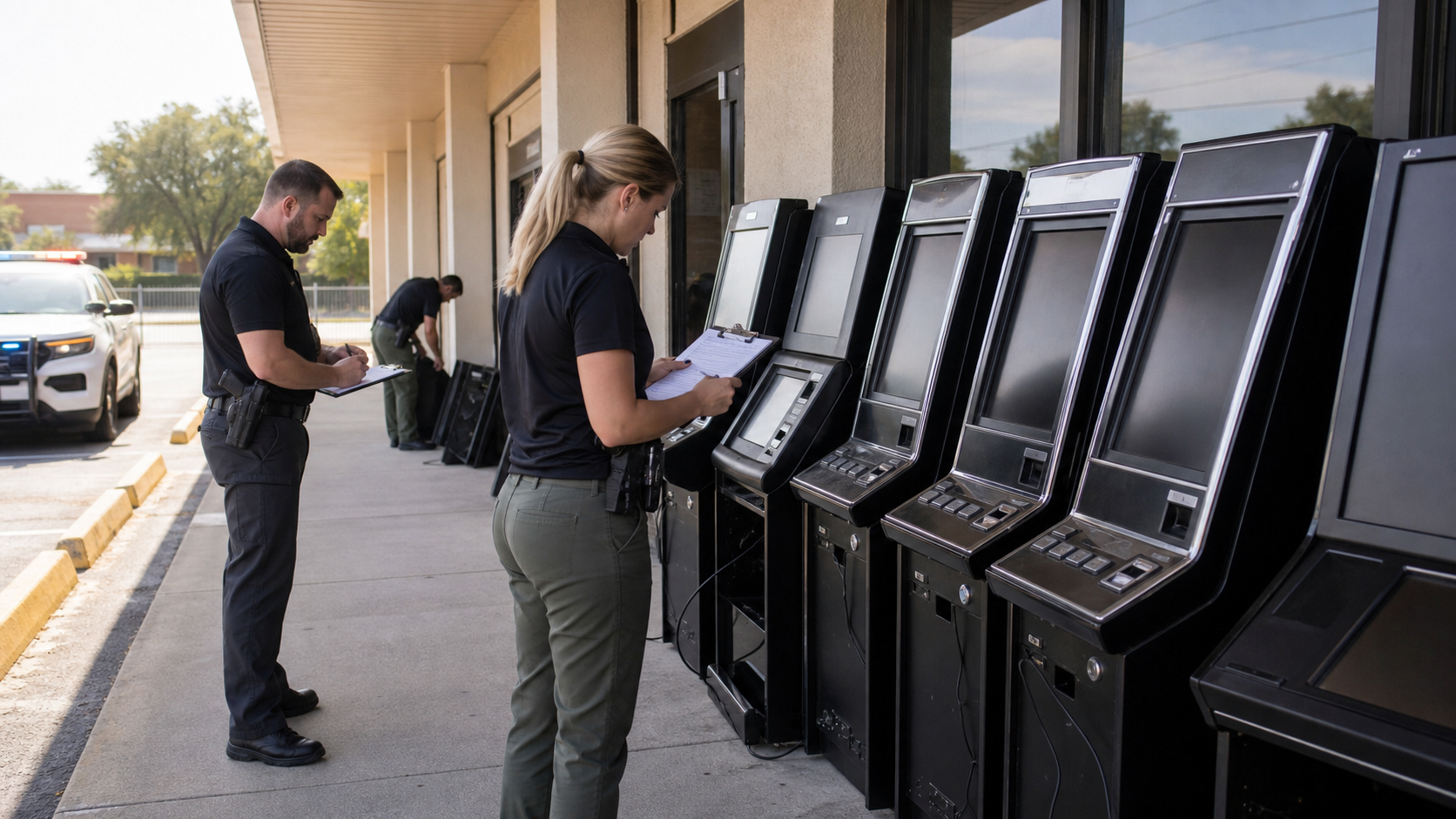
Florida illegal slot machines editorial news image

Florida Illegal Slot Machines Seized in Cape Coral Bingo Enforcement

Florida Illegal Slot Machines Seized in Cape Coral Bingo Enforcement

Florida illegal slot machines is back in focus for US gambling readers after Florida: Gaming regulator seizes 60 machines at illegal bingo establishment highlighted a development published on 2026-08-17. The underlying facts are specific to this story, but the broader question is familiar: how should operators, regulators, investors, and customers interpret change in a market where casino economics, wagering policy, technology, and consumer protection move at different speeds?

What happened

The Florida Gaming Control Commission and Cape Coral Police Department seized 60 illegal slot machines from Uptown Bingo, a business operating under the guise of a legal bingo establishment.

  • The enforcement operation was called Operation Going Downtown.
  • The regulator said labeling a slot machine as bingo or instant bingo does not make it legal under Florida law.
  • Florida law permits certain forms of paper-card bingo for eligible organizations but bans bingo and instant bingo on electronic devices displaying games of chance.
  • Slot machines are lawful at eight licensed locations in Miami-Dade and Broward Counties and at facilities operated by the Seminole Tribe of Florida.

The original report provides a dated source trail rather than rumor alone. The clearest takeaway is not simply a headline number or conflict. It is the way this update fits into the US casino and wagering landscape, where state-by-state rules, operator strategy, and customer expectations can push similar news in different directions.

Why Florida illegal slot machines matters now

Florida illegal slot machines enforcement shows why a product’s label is not a substitute for licensing, statutory authorization, or regulator guidance. That makes Florida illegal slot machines a useful lens for readers tracking Florida gambling enforcement, illegal bingo machines, Florida gaming regulation. A single earnings update, regulatory move, property plan, or technology partnership rarely changes the whole industry by itself, but it can reveal where capital, enforcement, and customer attention are heading.

It also helps to keep the timeline straight. This is a current 2026 development, not a historical case study. Readers should distinguish confirmed facts from follow-on speculation, especially where legislation, partnerships, financing, or future revenue implications are concerned. In a fast-moving market, precision matters more than hype.

What operators, regulators, and consumers should watch

Operators will read this kind of news through margins, product mix, compliance, and long-term positioning. Regulators will focus on legality, disclosure, consumer harm, and whether the public record is clear enough to support oversight. Consumers should ask practical questions: what product is actually being offered, which authority is relevant, what limits or rules apply, and whether the story changes the real-world experience today.

Those questions become clearer when readers compare the original report with supporting material such as Florida: Gaming regulator seizes 60 machines at illegal bingo establishment, Florida Gaming Control Commission, Florida Attorney General. On this destination site, related coverage including New Basketball-Themed Slot Games Launched by Caesars Entertainment, Sports Betting Geolocation Technology Remains Central to FanDuel’s Platform, Roanoke Casino Proposal: Berglund Center Plan Still Hides Developer’s Identity adds context about how the same themes have appeared in other casino and betting stories. Those links are for context, not endorsement.

What comes next

readers should follow Florida Gaming Control Commission notices and local enforcement updates, and verify that any gambling venue is licensed before participating. The most responsible interpretation is measured: follow the relevant regulator or operator, and avoid treating an initial report as the final word when legal status, implementation, or commercial impact may evolve.

That is especially true in casino and betting coverage because the stakes extend beyond revenue headlines. Product access, state legality, tax collections, responsible-gambling systems, and public trust all matter. Strong reporting keeps the original source visible, adds authoritative context, and avoids inventing claims the source did not make.

FAQ

Does this update change gambling rules everywhere in the United States?

No. Casino and betting rules are shaped by state law, tribal compacts, licensing conditions, and regulator guidance. A development in one jurisdiction or company does not automatically apply nationwide.

What should readers verify before acting on this news?

Check the original source, confirm the date, identify the relevant regulator or operator, and review official terms or legislative text before treating the story as settled.

How can gambling stay recreational?

Set a budget before you play, avoid chasing losses, take breaks, and treat gambling as entertainment rather than income. If it stops feeling manageable, reach out to a qualified support service.

Responsible gambling: Gambling involves risk and is not a guaranteed way to make money. Only play where legal, use funds you can afford to lose, and seek help if gambling is affecting your finances, relationships, or wellbeing.

Original source: Florida: Gaming regulator seizes 60 machines at illegal bingo establishment. Authoritative supporting links: Florida: Gaming regulator seizes 60 machines at illegal bingo establishment, Florida Gaming Control Commission, Florida Attorney General.

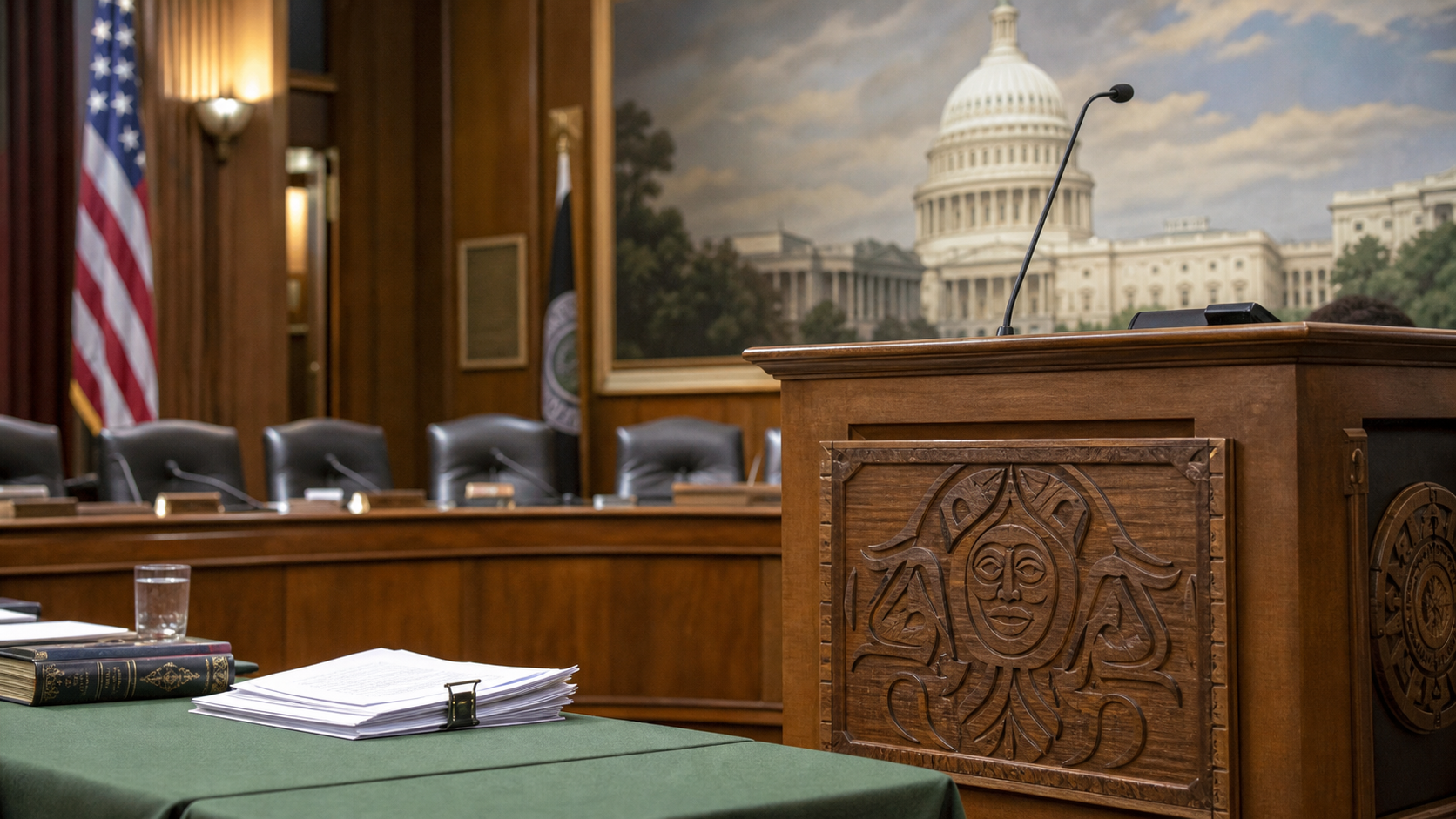
Unbranded tribal government hearing about prediction markets and gaming policy

Prediction market ban debate widens as tribal leaders address Congress

Prediction market ban debate widens as tribal leaders address Congress

The prediction market ban debate reached a Senate Indian Affairs roundtable as tribal leaders argued that gaming-like sports contracts threaten rights protected by federal law. This article uses prediction market ban as its primary keyword while keeping the reporting tied to the original source.

This briefing separates confirmed facts from analysis and future possibilities. Casino, sportsbook and gambling stories often mix a current announcement with legal, financial or consumer questions, so the date and jurisdiction should remain visible when readers interpret the update.

Key facts

  • Casino.org reported that tribal leaders urged Congress to act against prediction markets they view as effectively unregulated sports gambling.
  • Mark Macarro of the National Congress of American Indians argued that the Indian Gaming Regulatory Act protects exclusive tribal jurisdiction over gaming on Indian lands.
  • The source also reported record tribal gaming revenue of $46.2 billion in fiscal 2025, up 5.3%, while noting that tribes say gaming supports jobs and community programs.

What the original source reports

Casino.org reported that tribal leaders urged Congress to act against prediction markets they view as effectively unregulated sports gambling.

Mark Macarro of the National Congress of American Indians argued that the Indian Gaming Regulatory Act protects exclusive tribal jurisdiction over gaming on Indian lands.

The source also reported record tribal gaming revenue of $46.2 billion in fiscal 2025, up 5.3%, while noting that tribes say gaming supports jobs and community programs.

The source link is included below so readers can review the complete account, its wording and any later corrections. The information above is a concise summary, not a substitute for a regulator notice, court filing, company release or current terms.

Why this update matters

The prediction market ban question is tied to a larger dispute over classification and jurisdiction. Tribal leaders are arguing that a product can have financial-market language while still functioning like sports gambling, which they say should not bypass the framework created by IGRA. For related coverage, see Prediction market rules face fresh scrutiny in US debate, Prediction market sports data deals put settlement under spotlight, South Carolina prediction market lawsuit tests sports-contract claims.

A hearing or roundtable records testimony and policy arguments; it does not by itself enact a ban or settle every legal question. Congress, courts, federal agencies and tribal governments may take different positions as cases and legislation develop.

Readers should be careful with broad claims about availability. A prediction market can face a different rule in each state, and a platform’s federal filing or marketing language is not a substitute for checking the law where a customer is located.

The wider lesson is that US gambling is not one national market. State laws, tribal arrangements, licensing terms, tax structures and consumer protections can differ substantially. A development in one jurisdiction should not be treated as permission or a forecast for another.

That is also why business or market numbers need context. Revenue, projected tax, an acquisition price, an announced product or a reported lawsuit can all be meaningful without proving that an operator will meet a future target or that an individual customer will have a favorable result. Readers should distinguish a verified fact from an interpretation and from a possibility.

What to watch next

Further congressional hearings, legislation and court decisions may define how gaming-like contracts are treated.

The National Indian Gaming Commission and official congressional materials can provide better context than promotional summaries.

For additional destination-site context, readers can review Prediction market rules face fresh scrutiny in US debate, Prediction market sports data deals put settlement under spotlight, South Carolina prediction market lawsuit tests sports-contract claims. These links are provided as related reading, not as endorsements of any operator, product or wager.

Frequently asked questions

What is the reported development?

Tribal leaders argued that some prediction markets resemble sports gambling.

Why does this USA casino-news story matter?

The dispute includes the Indian Gaming Regulatory Act and tribal sovereignty.

What should readers verify next?

A policy debate does not mean a ban has already taken effect.

Responsible gambling note

Responsible gambling: Gambling involves risk and is not a way to make guaranteed income. Only gamble where legal, use money you can afford to lose, set a budget and time limit before you start, avoid chasing losses and seek qualified support if gambling affects your finances, relationships or wellbeing.

Original source: Tribes Demand Congress Ban ‘Gaming-Like’ Prediction Markets from Casino.org News. Authoritative supporting information: National Indian Gaming Commission and Senate Committee on Indian Affairs.