


From Greyhound Racing to Casino Gaming: Should West Virginia Shift Its Focus? | 10BET
Should West Virginia Pivot from Greyhound Racing to Casino Gaming? Officials Have Polarizing Views
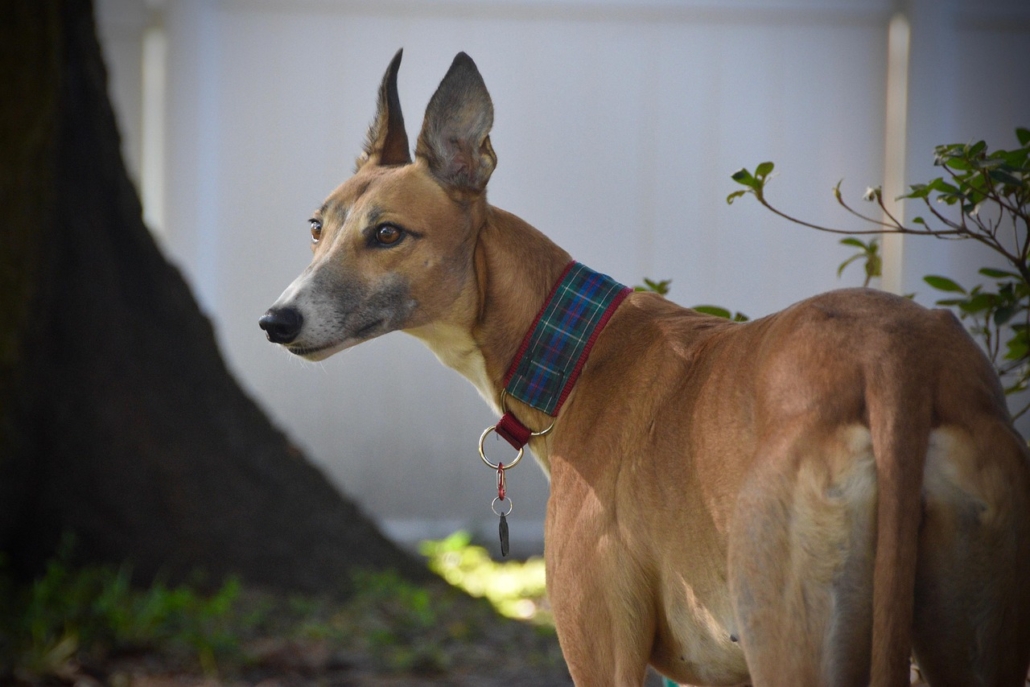
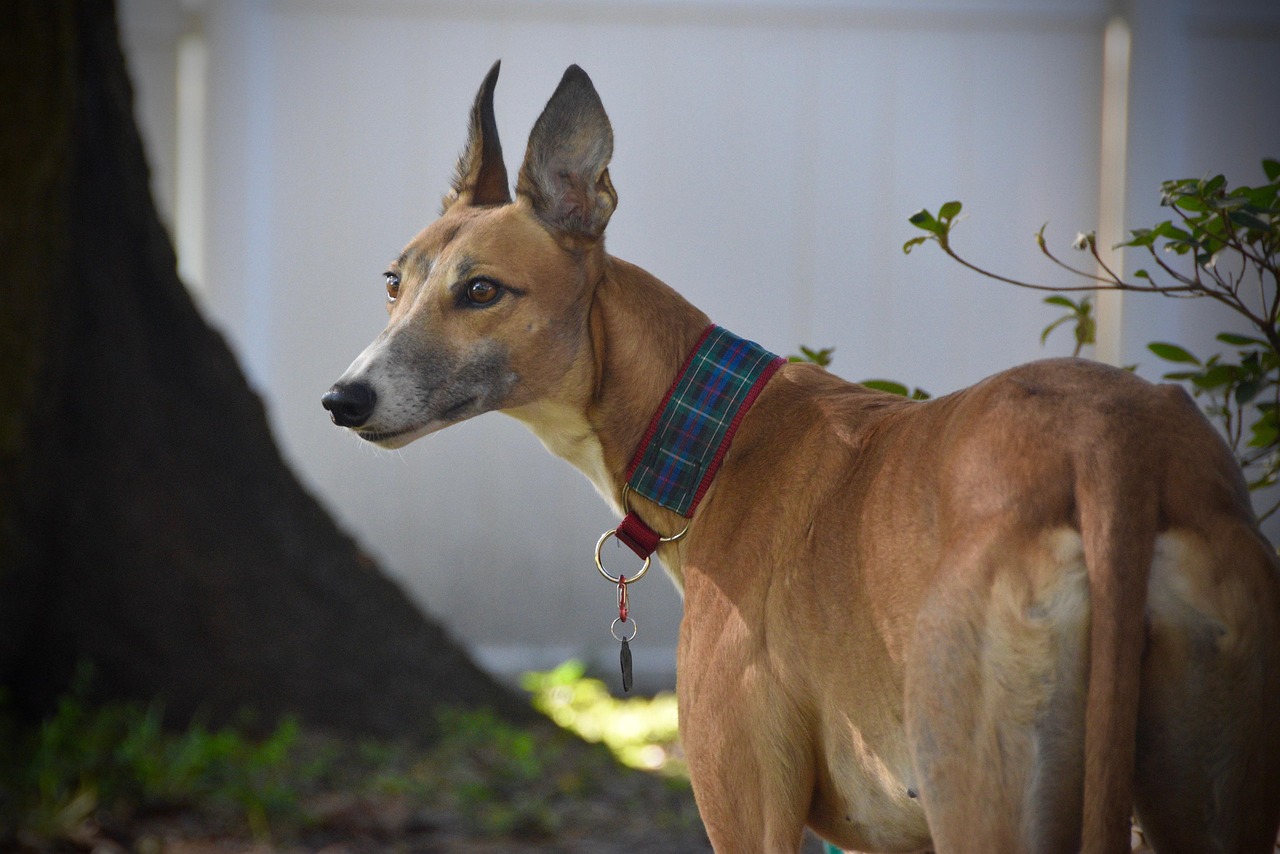
West Virginia holds a unique position in the landscape of American entertainment as the only state where live greyhound racing is still conducted, offering a distinct alternative to the traditional casino gaming found elsewhere. However, a recent federal bill aims to put an end to this practice across the United States, sparking intense debate among local officials regarding how such a ban might reshape the states diverse gambling industry and its competitive edge in the world of casino gaming.
Under West Virginia’s gaming law, all casino slot machines and table games must operate at state-sanctioned horse or greyhound racetracks where live racing still occurs. The only exception is the Casino Club at The Greenbrier, which holds a unique non-racing gaming license.
The House Resolution 5017, introduced by Rep. Salud Carbajal and 15 bipartisan cosponsors, calls for the closure of West Virginia’s greyhound racing industry. Some officials argue this would cause severe economic damage to the state.
Implications of Greyhound Racing Closure
- Economic Impact: Proponents assert that the closure would eliminate specialized career opportunities tied directly to the greyhound racing sector.
- Job Losses: Many business owners, trainers, and their families rely on this industry for their livelihoods.
“These are specialized economic and employment opportunities directly tied to the industry which would be gone tomorrow if racing is eliminated,” said West Virginia Delegate Shawn Fluharty.
Claims of Greyhound Abuse
While supporters of the federal bill claim that banning greyhound racing is necessary to prevent inhumane treatment of dogs, some argue that these claims are exaggerated. Critics of these accusations suggest that welfare concerns stem from misinformation.
“Those misconceptions of abuse and neglect are just people putting out lies. I always tell people, ‘Believe your eyes and not the lies’,” stated Steve Sarras, a prominent greyhound breeder in West Virginia, emphasizing the health and fitness of racing dogs.
Opposition and Reports of Abuse
On the flip side, organizations such as GREY2K advocate for an end to greyhound racing and assert that these dogs are kept in confinement for long hours and exposed to harmful substances. Reports of injuries and cases of neglect have raised serious safety concerns.
- According to the West Virginia Racing Commission, there were more than 300 greyhound injuries reported so far in 2025.
- This includes 104 dogs suffering broken bones and 12 reported fatalities.
West Virginia’s Gaming Revenue Landscape
In 2024, West Virginia’s gross gaming revenue reached an impressive $878.8 million, marking a new high since 2012. This growth predominantly originated from online platforms, with significant increases in:
- iGaming Revenue: Soared by 57% to approximately $246.5 million.
- Online Sports Betting: Increased by more than 16%, amounting to $55.4 million.
Conversely, in-person casino revenues dipped slightly by 3.5% to $576.9 million, indicating a shift in consumer preference toward digital gaming options.
Summary
The debate over greyhound racing in West Virginia presents a complex interplay of economic interests versus animal welfare. While the potential job losses raise concerns across the state, advocates argue that the current treatment of racing dogs warrants urgent reform. As legislative actions unfold, all eyes will be on the decisions that may shape the future of both greyhound racing and the broader gaming industry in West Virginia.