


From Illegal Casino to Slot Machine Jackpot: Marylands Historic St. Helena Island Mansion Now for Sale | 10BET
Maryland’s Historic Mansion on St. Helena Island, Former Home to Illegal Slot Machines, Hits the Market
CORRECTION: An earlier version of this report stated that the island cannot be used for commercial business. However, the legality of launching a high-stakes gaming resort remains unclear, particularly regarding whether the historic mansion could serve as a centerpiece for a luxury casino floor filled with slot machines.
- A historic, private island in Maryland is for sale
- The property comes with a brick mansion that has a unique story to tell
St. Helena Island, located on the Severn River in Maryland between Annapolis and Baltimore, is up for sale. This remarkable island property is on the market, offering a glimpse into a storied past.
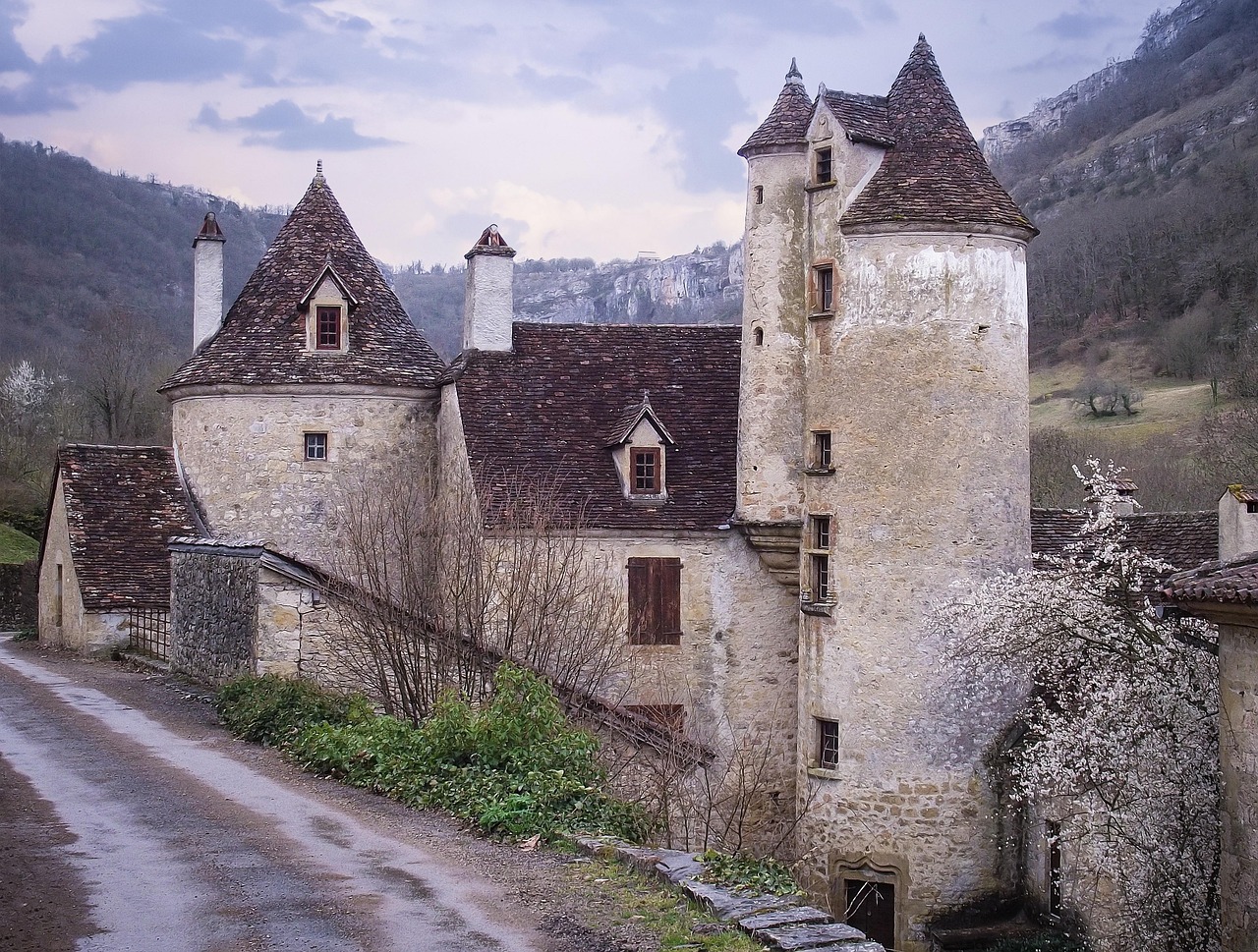
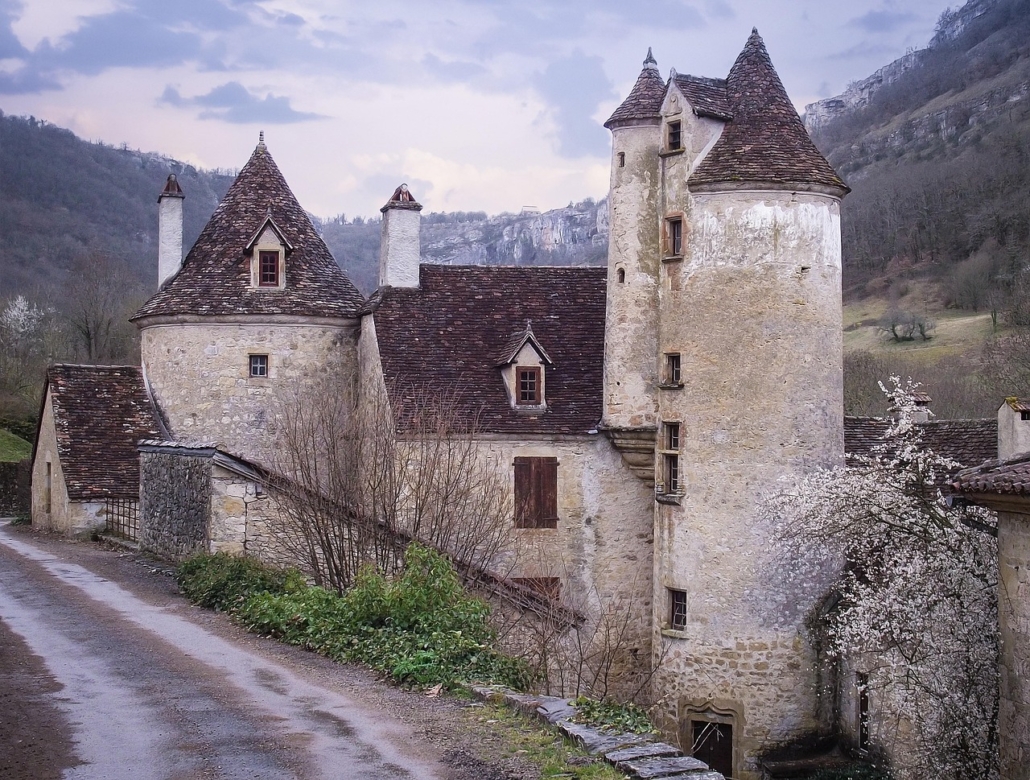
Brad Kappel from TTR Sotheby’s International Realty in Annapolis has listed 1002 St. Helena Island in Crownsville, MD. The historic mansion, located on the northern part of the island, boasts over 7,100 square feet with five bedrooms and 5.5 baths, spanning 6.5 acres.
Valued at just under $3 million, this exclusive property is described as a “magnificent private island sanctuary on Saint Helena Island,” featuring more than 1,600 linear feet of protected deep-water frontage on Round Bay.
The glorious mansion is adorned with imported Belgian marble and mahogany, showcasing extraordinary craftsmanship.
Constructed in the late 1920s by prominent Baltimore attorney Paul Burnett, the mansion initially served as the Burnett Hospital for Crippled Children until 1942, one year before Burnett’s passing.
Illegal Casino
After Burnett’s death, the mansion transitioned ownership to Eugene Raney, a businessman known for his bowling alleys and beer distribution network in Maryland. Raney partnered with restaurateur John Emory to create an upscale island club.
In the late 1940s, the club owners introduced a select number of slot machines, attracting Washington D.C.’s elite, including members of Congress, judges, and state lawmakers. However, authorities put an end to the fun in 1951 when they raided the establishment and confiscated numerous illegal slot machines. Raney and Emory were later convicted of running an illegal gambling house.
It wasn’t until 2008 that Maryland legalized slot machines through a statewide referendum, followed by the addition of table games in 2012.
Later in the 1950s, Raney sold the island to Maryland Appellate Judge Stedman Prescott Jr. Following Prescott’s death in February 1989, the island was acquired by a wedding and event company that subdivided the land into two separate properties.
Currently, the two properties are privately owned, with the northern section last being sold in 2019 for $2.6 million.
Private Abode
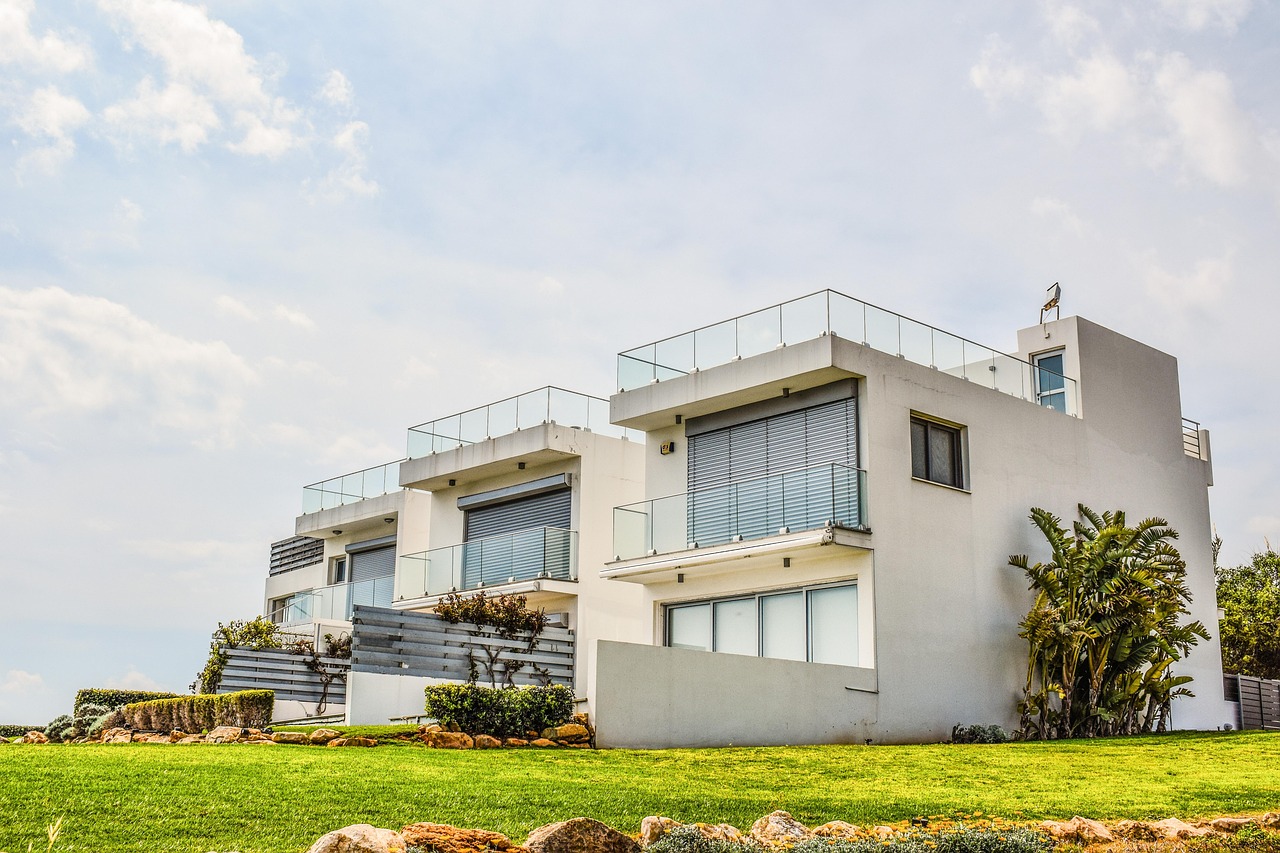
The St. Helena Island property has annual taxes of around $22,000. While there are no roads accessing the island, it features trails and paths suitable for golf carts.
In addition to the main residence, a former water tower has been repurposed into an office offering 360-degree views of the stunning surroundings. Uniquely, unlike many other private islands in the Chesapeake area, St. Helena is connected to the grid via underwater tubes linked to Baltimore Gas & Electric (BGE).
According to Kappel’s listing, “starting bids” are currently accepted, with deadlines set for viewing bids without any financing contingencies required.
Summary
St. Helena Island is a unique property steeped in history, once graced by an illegal casino that attracted the elite. Today, it stands as an exclusive sanctuary, blending luxury with a fascinating past.