

The Evolution of Las Vegas Casinos: The Rise and Fall of the Thunderbird and Casino Abandonment

The Rise and Fall of the Thunderbird: A History of Abandoned Las Vegas Casinos

In the bustling evolution of the city, few legends capture the spirit of the desert landscape like the Thunderbird Casino. Established in 1947 by attorney Cliff Jones and his partner Marion Hicks, this historic property helped define the high-stakes era of Las Vegas casinos. Infamously known for its grand opening and subsequent challenges, the Thunderbird reflects both the glitz and the struggles inherent to the gambling industry, serving as a powerful reminder of the shifting tides that shape the landscape of Las Vegas casinos today.
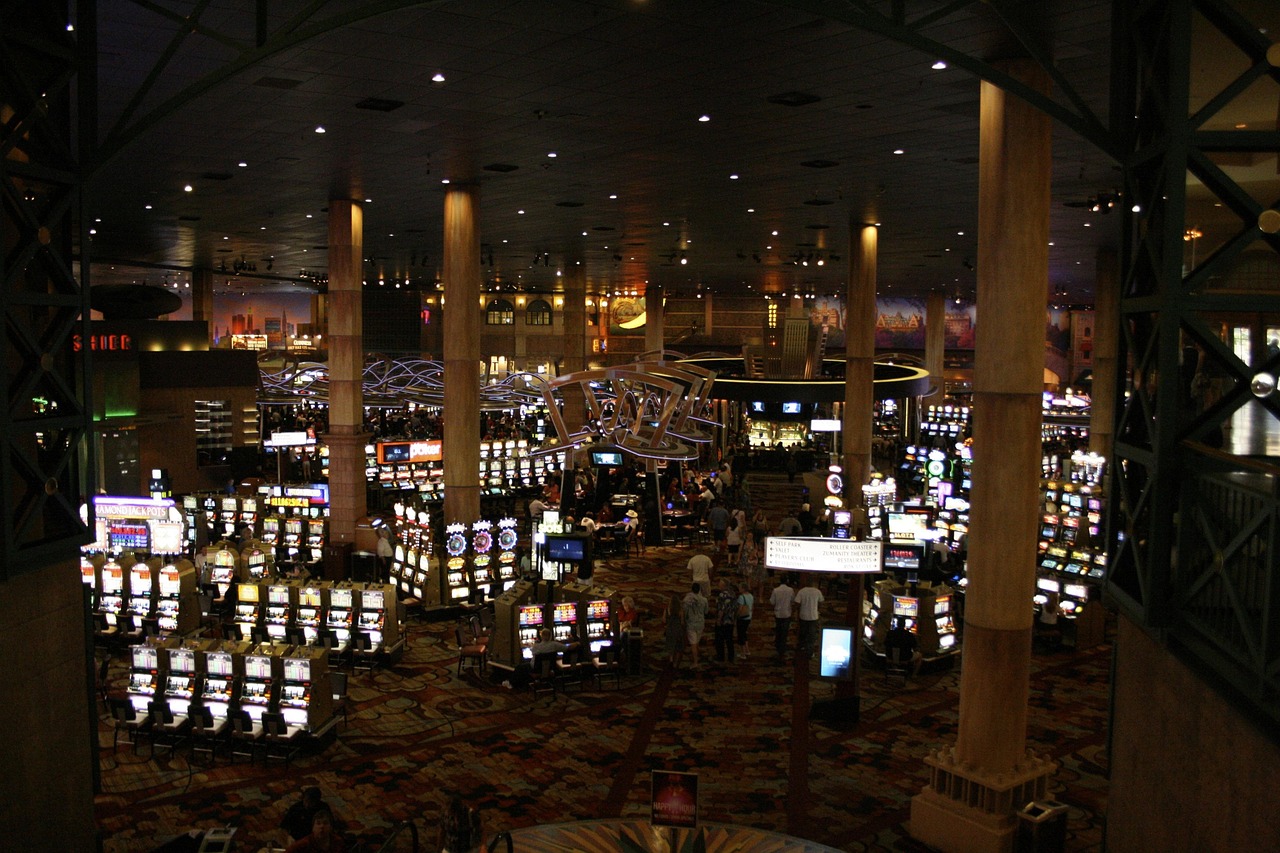
Casino abandonment
Image by zikiline from Pixabay

Building the Thunderbird

The Thunderbird was constructed at a staggering cost of approximately $3 million (equivalent to about $43 million today) and opened its doors across from the iconic El Rancho Vegas and a mile north of the Flamingo. The casino’s name is inspired by a mythical Navajo bird, encapsulating the Old West themes characteristic of early Las Vegas folded in with Native American symbolism.

Vegas Casino
Image by 6171862 from Pixabay

” alt=”Thunderbird Casino in Las Vegas”>

View of the Thunderbird in its vibrant heyday during the 1950s. (Image: UNLV Special Collections)

Notorious Opening Night

Despite its promising start, the Thunderbird is often remembered for its disastrous opening night on September 2, 1948. It incurred a remarkable payout of $145K (approximately $2 million today) on craps, giving rise to myths suggesting that it quickly went under. Unbeknownst to the public, the casino was backed by organized crime interests from New York.

Casino abandonment
Image by StockSnap from Pixabay

A Fluctuating Legacy

Over the next seven years, the Thunderbird garnered popularity, hosting notable performances by celebrities like Patti Page and Rosemary Clooney, and welcoming guests from varied echelons, including business magnate Howard Hughes. However, in 1955, the Thunderbird faced a severe setback when the Nevada Tax Commission revoked its gambling license due to investigations revealing its mob affiliations. This event catalyzed the establishment of the Nevada Gaming Control Board.

Change of Ownership and Focus

After reclaiming its reputation and license, the Thunderbird aimed to re-establish itself as a mid-tier option for tourists, competing with higher-end resorts. However, further changes in ownership ensued, starting with Del Webb in 1964, leading to fluctuating investments and a shifting focus in the casino’s offerings.
Casino abandonment
Image by Greyerbaby from Pixabay

The Final Days

The Thunderbird eventually underwent a name change to Silverbird in the late 1970s but struggled to dissociate from its faded glory. The final owner, Ed Torres, purchased the casino in 1982 but could not revive its status, leading to its closure in 1992.

Abandoned casino
Image by 955169 from Pixabay

” alt=”Abandonment of Thunderbird Casino”>

Once teeming with life, the Thunderbird ultimately met its end as an abandoned site, epitomizing the transient nature of Las Vegas’s lavish ventures.
Casino abandonment
Image by zikiline from Pixabay

Conclusion

The Thunderbird Casino’s journey encapsulates the rise and fall of one of Las Vegas’s iconic establishments. As the state of gambling continues to evolve, the Thunderbird serves as a poignant reminder of the intertwined tales of fortune and misfortune that define the gambling landscape.


New York Proposes New Regulations on Sports Betting

New York Proposes New Regulations on Sports Betting

A New York politician is spearheading a campaign for stringent regulations on online sports betting aimed at safeguarding consumers in the state. Assemblymember Robert Carroll (D-Brooklyn) has taken the lead by introducing NY A07692, a bill that seeks to enforce comprehensive limitations on sports wagering activities.

Sports betting
Image by papazachariasa from Pixabay

Proposed Limitations on Sports Betting

This legislation outlines a series of restrictive measures, which includes setting daily wager limits at $5,000 and prohibiting the use of credit cards for account deposits. These measures are considered essential to protect bettors from excessive financial exposure and mitigate gambling-related risks.

One of the most practical components of Carroll’s legislation appears to be the prohibition against credit card usage for funding sports betting accounts. Most betting operators treat credit card transactions as cash advances, imposing higher fees and interest that bettors may unknowingly incur, as pointed out in the bill’s analysis.

Additional Restrictions Envisioned

The proposed legislation not only limits the amount wagered daily but also introduces a cap on the number of deposits a bettor can make within a day—set to a maximum of five transactions. Furthermore, the bill mandates that each sportsbook operator is to allow only one account per user; therefore, a bettor in New York would be restricted to a single DraftKings account, for instance.

Moreover, once a bettor accumulates a total of $2,500 in deposits, the operators are required to inform them about setting wager limits or closing their accounts. These measures aim to empower users to manage their betting activities proactively.

Concerns Regarding the Bill

While the bill has been introduced, it remains uncertain whether it will gain traction. Industry experts have expressed skepticism about the bill’s momentum but remain cautious about the possibility of its revival, which could significantly impact the flourishing sports betting industry contributing to state revenue.

Since the inception of mobile sports betting in New York in January 2022, the state has remarkably dominated the market, outperforming its counterparts in terms of betting handle, revenue, and tax contributions. Imposing a 51% tax on gross gaming revenue—currently the highest in the country—has facilitated considerable tax inflow to Albany.

Advertising Restrictions Included

In addition to the discussed betting limits, Carroll’s bill seeks to overhaul the advertising landscape for sportsbook operators, imposing strict regulations aimed at curbing misleading promotions. Specifically, it seeks to:

  • Ban advertisements containing terms like “bonus” or “no sweat”.
  • Prohibit ads during live sporting events and during peak hours from 8 AM to 10 PM.
  • Prevent marketing directed at minors or detailed betting instructions.

Currently, sports betting advertisements in New York must disclose information on resources available for problem gambling. However, Carroll’s proposal aims to further limit the visibility and influence of sports betting operators in the state.

Conclusion

Assemblymember Carroll’s bill represents a significant shift in New York’s approach to mobile sports betting by establishing caps on bets and deposits, and restricting advertising practices. As mobile wagering continues to thrive in the state, the implications of these regulatory measures could reshape the industry’s landscape, benefiting consumers while also addressing potential problems associated with gambling.

DraftKings Withdraws Prediction Markets Application Amid Legal Scrutiny for Sports Betting | 10BET

DraftKings Shifts Focus to Sports Betting Amid Legal Scrutiny Over Prediction Markets Application

In a significant move that shifts the landscape of digital wagering, DraftKings has pulled its application to enter the prediction markets space, which was originally submitted to the National Futures Association (NFA) last July. This strategic pivot comes as the company navigates escalating legal challenges within the prediction markets industry, potentially allowing them to refocus their resources and expertise on the rapidly expanding world of sports betting.

prediction markets
Image by JillWellington from Pixabay

Background of the Application

DraftKings had aimed to launch “DraftKings Predict,” which would compete with major players like Kalshi and PredictIt. As an emerging sector, prediction markets have gained traction, reflecting shifts in consumer engagement trends.

Possible Reasons for Withdrawal

  • Regulatory Concerns: The landscape for prediction markets is complicated, with operators needing to navigate federal regulations that differ from state regulations for sports betting.
  • Increased State Scrutiny: Some states have raised concerns regarding Kalshi’s legitimacy in offering sports contracts, which may deter DraftKings from pursuing this market further.

Future of Prediction Markets

Even though DraftKings withdrew its application, the company continues to monitor developments in the prediction markets. Industry experts speculate that these sectors might coexist and even benefit from one another as they evolve.

Conclusion

DraftKings’ withdrawal raises important questions about the future of prediction markets and their relationship to the sports betting industry. As the landscape changes, companies will need to adapt to ensure compliance while exploring new opportunities.