


The Future of Commercial Casinos in South Carolina: Legalization and the Economic Impact | 10BET
How South Carolina’s Move Impacts the Future of Commercial Casinos and the Gambling Economy
Lawmakers in South Carolina are currently evaluating legislation that could pave the way for commercial casinos in certain regions of the state. This legislative proposal has ignited a passionate dialogue among the public, reflecting a split in opinions regarding the social and economic implications of the casino economy for local communities.
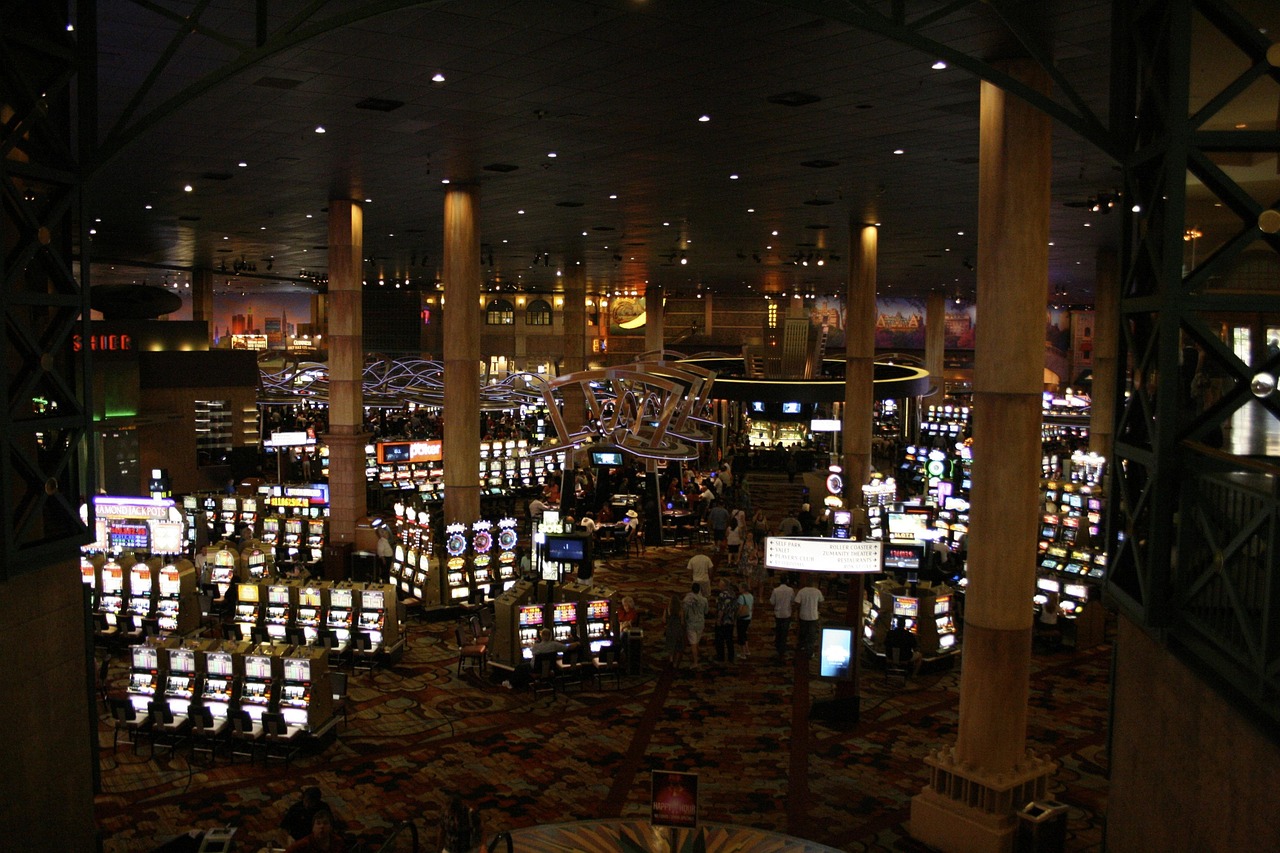
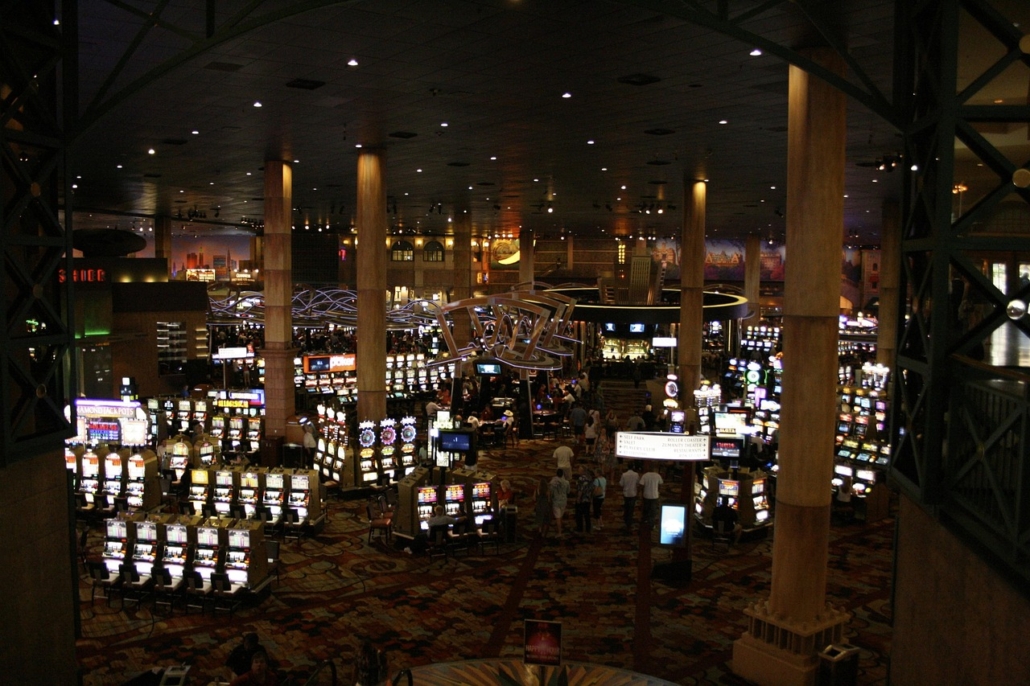
The focus is on the long-empty site of the Santee Outlets in Orangeburg County, which a businessman aims to transform into a vibrant casino resort. A recent hearing held by the House of Representatives’ Ways and Means Revenue Policy Subcommittee that examined gaming bills drew significant public interest and testimony from various stakeholders.
The Proposed Legislation
House Bill 4176, filed by a group of bipartisan lawmakers in March, seeks to allow commercial casinos in selected counties with access to Interstate 95, provided that county governments pass supportive ordinances for slot machines and table games. This initiative is championed by Wallace Cheves, a prominent businessman in Columbia, who purchased the vacant Santee Outlets shopping plaza in 2017 for $700,000. He envisions the site as a destination for gambling and entertainment.
The proposed legislation outlines the establishment of the South Carolina Gaming Commission, which would be responsible for evaluating and issuing casino licenses. In addition, another bill, House Bill 3625, aims to introduce sports betting as a legal form of gambling.
Public Opinion on Casinos
The public hearing featured a back-and-forth discourse, with varied opinions on whether the gaming proposals should advance. Advocates for the casinos suggest that introducing gambling along the I-95 corridor could significantly rejuvenate local economies. They argue that the casinos could create thousands of jobs and generate millions in tax revenue, potentially lifting struggling communities out of economic despair.
- Job Creation: Supporters estimate that the casino could generate thousands of job opportunities.
- Economic Boost: Revenue from the casino could revitalize local businesses and enhance public services, such as education.
- Crime Reduction: Proponents argue that increased employment will likely lead to lower crime rates.
Orangeburg Chamber of Commerce President James McQuilla echoed these sentiments, expressing that the establishment of a casino could foster a multifaceted economic environment beneficial for restaurants and local enterprises.
Conversely, opposition against the casino proposals is equally fervent. Critics claim that casinos are predatory establishments that capitalize on individuals’ hardships. One local, Steve Pettit, articulated, “Casinos prey on desperation. They may claim to offer hope, yet they often bring harm through addiction.” Additionally, some individuals voiced their concerns grounded in religious beliefs, urging lawmakers to consider the moral implications of such actions.
Legislators’ Stance on Casino Gambling
The authors of HB 4176 acknowledge that gambling does not traditionally align with South Carolina’s cultural values; however, they emphasize that the increased revenue and economic uplift can benefit rural and impoverished areas along the I-95 corridor. The General Assembly maintains that while casino gambling may not sit well with the state’s historical perspective, it could provide essential financial relief and opportunities for communities suffering from economic hardship.
Governor Henry McMaster has expressed his intent to veto any gaming bills that reach his desk. To overcome this objection, the legislation would require a two-thirds majority vote in both chambers of the General Assembly to proceed.
Conclusion
The debate over introducing commercial casinos in South Carolina reflects deep-rooted societal values and varying economic perspectives. As lawmakers continue to weigh the potential benefits and detriments of casino gambling, communities await the outcome of a proposal that could significantly alter the economic landscape of the region.