



NCAA Set to Approve Sports Betting for Student-Athletes on Pro Sports
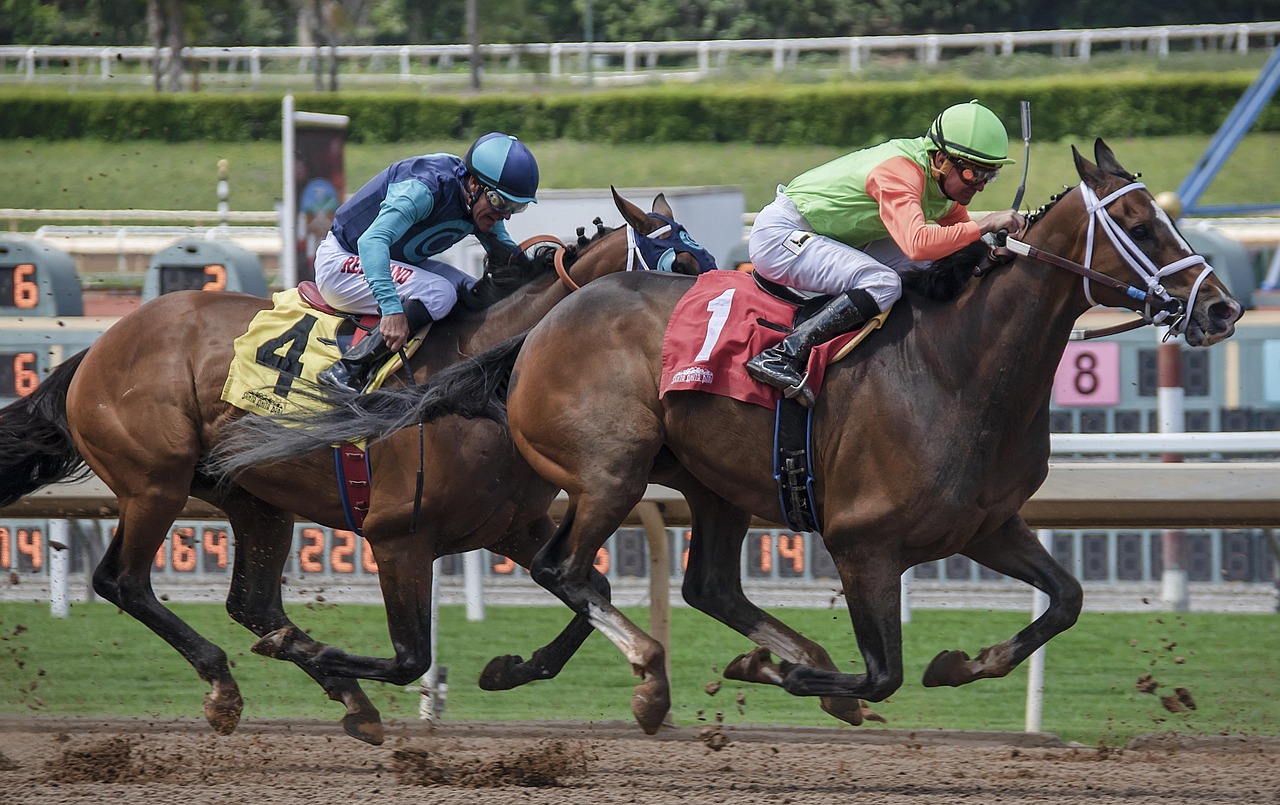
NCAA Set to Approve Sports Betting for Student-Athletes in Pro Sports
The NCAA is likely to permit its student-athletes across all divisions (I, II, and III) to participate in betting on professional sports in a significant policy shift. This move comes as part of an effort to align NCAA regulations with the contemporary landscape of sports betting and to promote responsible gaming practices among college athletes.
Current Policy and Proposed Changes
- Under existing NCAA rules, student-athletes are strictly prohibited from any form of sports betting.
- The NCAA’s Division I Board of Directors recently passed a proposal that would amend this ban.
- If approved unanimously across all divisions, the changes could come into effect by November 1, 2025.
Reports indicate that the administrative committee emphasised the need to reduce stringent restrictions for student-athletes, thereby allowing them to engage in sports betting under regulated conditions. This change is particularly geared towards promoting fair play and maintaining the integrity of college sports.
Reasons Behind the Policy Shift
The NCAA’s leadership acknowledges the growing trend of sports gambling among college students. A study revealed that:
- 67% of college students engage in sports betting regularly.
- Over 40% of students have placed bets on their own college teams.
- Approximately 16% of college students have participated in risky betting behaviours.
This significant engagement in betting indicates a cultural shift among students, signifying that awareness and education surrounding responsible gambling are essential. The NCAA aims to facilitate a better understanding of safe betting practices while allowing student-athletes to participate in this growing sector.
Medical Perspective on Gambling Among College Athletes
The NCAA’s approach is also supported by its medical professionals. Dr. Deena Casiero, the NCAA’s chief medical officer, remarked:
“Abstinence-only approaches to tackling social issues often don’t succeed. Education about risks paired with open dialogue allows colleges to help students make informed decisions without fear of losing eligibility.”
By allowing regulated sports betting, the NCAA could help cultivate a safer environment for student-athletes who choose to wager on sports. Regulated betting could diminish the risks associated with unregulated offshore betting sites.
Monitoring and Compliance
To ensure compliance, the NCAA plans to implement rigorous monitoring systems. The organisation oversees more than 540,000 student-athletes across 1,000 schools participating in various sports. Technology from third-party monitoring services will play a crucial role in maintaining compliance with the new betting regulations.
Conclusion
The NCAA’s potential decision to allow student-athletes to engage in sports betting reflects shifting cultural attitudes toward gambling. This policy change aims to ensure student-athletes can participate in betting legally and responsibly, aligning collegiate policies with societal trends. As the landscape of sports betting continues to evolve, the NCAA is taking steps to embrace this change while prioritising education and safety for its student-athletes.
Key Takeaways
- Approval for gambling on pro sports for NCAA student-athletes could be completed by November 2025.
- Current prohibitory measures may be revised to allow regulated sports betting.
- Responsible gambling education will be a focus of NCAA initiatives to promote safe betting habits.
Overall, this upcoming decision by the NCAA is positioned to reshape how student-athletes navigate the sports gambling landscape in the future.