



Demographics of Online Slots Players: A Deep Dive into Online Gaming Trends | 10BET
Introduction
The world of online gaming has exploded in recent years, attracting millions of players globally, with online slots being a major focus. Understanding the demographics of these players can provide valuable insights for operators, marketers, and game developers. By analyzing who plays online slots, we can better comprehend their preferences, motivations, and behaviors.
Age Demographics of Online Slot Players
Age plays a significant role in the types of games players prefer and their gaming habits. Studies show that:

- 18-24 years: This age group is often characterized by a preference for mobile gaming and innovative, themed slots.
- 25-34 years: Players in this demographic tend to be tech-savvy and seek variety in their gaming experiences.
- 35-44 years: This group often enjoys traditional slot machines and games that incorporate elements of nostalgia.
- 45+ years: Older players may prefer simpler games with straightforward mechanics.
Source: [Statista](https://www.statista.com/statistics/1161135/vod340g9/).
The Gender Divide in Online Slot Gaming
Traditionally, slots were viewed as a predominantly female gaming activity. However, recent trends indicate a more balanced gender representation. Current statistics reveal:
- Female Players: Generally more attracted to themed slots, especially those with social and community elements.
- Male Players: More likely to engage with competitive gaming environments and jackpots.
Source: [Gambling Commission](https://www.gamblingcommission.gov.uk/home.aspx).
Location and Regional Preferences
The geographic location of online slot players greatly influences their game preferences:
- Europe: Players in this region favor classic fruit machines and adventure-themed slots.
- North America: U.S. players often prefer innovative features and mega jackpots.
- Asia: This market is emergent, with a growing fascination for games that blend culture and technology.
Source: [PWC](https://www.pwc.com/gx/en/industries/entertainment-media.html).

Player Spending Habits
Understanding how much players are willing to spend on online slots provides actionable insights for developers. Key points include:
- Casual Players: Tend to spend less, focusing on entertainment and lower stakes.
- High Rollers: This segment places larger bets and often seeks exclusive bonuses and VIP experiences.
Source: [Market Research](https://www.marketresearch.com/).
Game Preferences among Slot Players
Players gravitate towards different types of online slots, which can include:
- Video Slots: Engaging graphics and storytelling elements are critical.
- Progressive Jackpot Slots: Attract players with the allure of life-changing wins.
- Classic Slots: Simple gameplay that appeals to traditionalists.
Source: [Casino.org](https://www.casino.org/).
Social Features and Community Engagement
With the rise of social gaming, many online slot platforms now offer community features:
- Leaderboard Competitions: Enhance engagement among users.
- Social Media Integration: Players share wins and connect with friends.
Source: [Newzoo](https://newzoo.com/).
Psychology Behind Slot Gaming
Many players are drawn to online slots due to psychological factors:
- Instant Gratification: The fast-paced nature of slot games offers immediate rewards.
- Escapism: Slots provide an escape from daily life stresses and routines.
Source: [Psychology Today](https://www.psychologytoday.com/).
Emerging Trends in Online Slot Demographics
The online gaming landscape is constantly evolving, and new trends include:
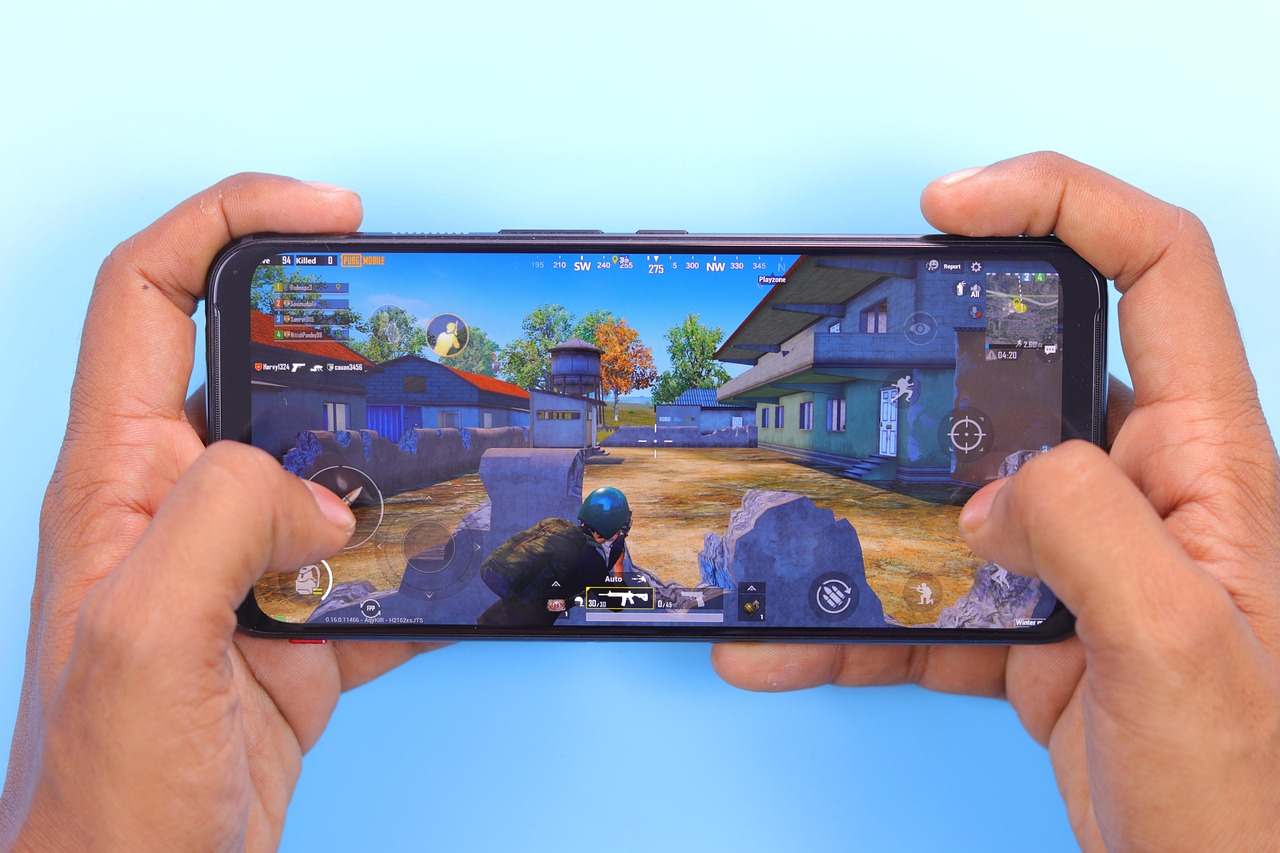
- Mobile Gaming: Increasingly popular among younger demographics.
- Gamification: Incorporating game-like elements in slot games.
Source: [Nielsen](https://www.nielsen.com/us/en/).
Conclusion
Understanding the demographics of online slot players can help businesses tailor their marketing strategies, enhance player experience, and develop more engaging games. By keeping a pulse on shifting trends and player preferences, operators can stay ahead in this competitive market.