

Fun Roulette Facts That You Didn’t Know
Roulette is one of the most popular games in casinos around the world, known for its spinning wheel and thrilling gameplay. Beyond the glamour and excitement, however, lies a rich tapestry of history, culture, and trivia that many players are unaware of. Here are some fun roulette facts that will impress your friends and deepen your appreciation for this classic game.
H2: The Origins of Roulette
Roulette, which means “little wheel” in French, has a fascinating origin story. It is believed that the game was developed in 18th century France. The modern version evolved from various gambling games that were played in Europe during that time. While there are many theories about its inception, the game we enjoy today was popularized by two Frenchmen, Blaise Pascal and François Blanc. You can read more about its history on [Britannica](https://www.britannica.com/topic/roulette).
H2: The Meaning of Roulette Colors
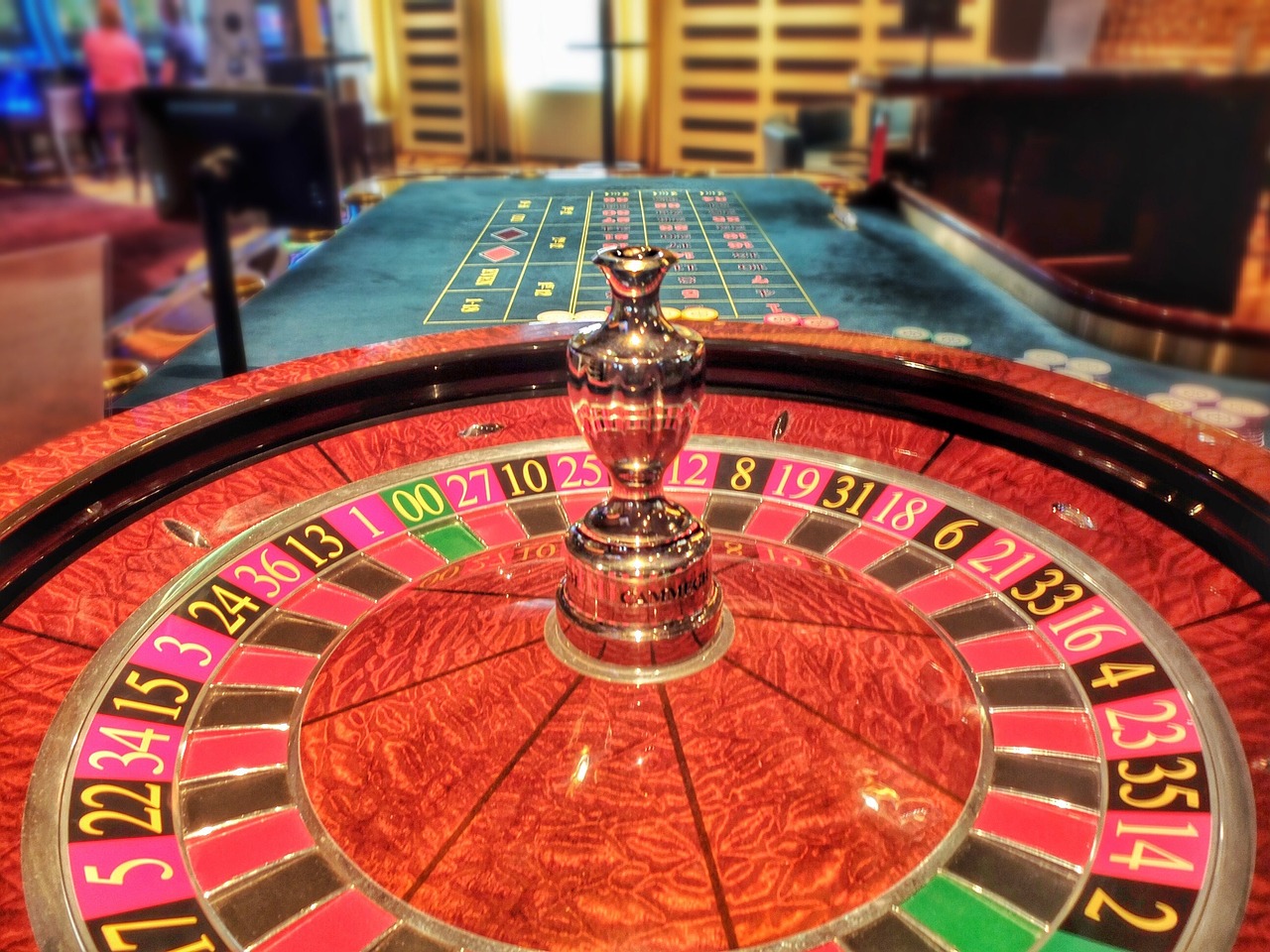
Roulette wheels are famous for their red and black colors, but there’s more to it than just aesthetic appeal. The colors represent the even and odd numbers, with green being designated for the number zero in European roulette. This color coding plays a crucial role in betting strategies and the overall odds of the game. It’s interesting to note that different versions of roulette have varying rules and layouts, so be sure to familiarize yourself with the specific version you’re playing.
H2: The House Edge Explained
Many new players are unaware of the concept of the house edge, which is the casino’s statistical advantage over players. In European roulette, the house edge is approximately 2.7%. Meanwhile, American roulette has a higher house edge of about 5.26% due to the addition of a double zero. Understanding these odds is essential for developing effective betting strategies. For deeper insights into the mathematics behind roulette, visit [Gambling.com](https://www.gambling.com/uk/roulette).
H2: The Famous Roulette Strategies
While roulette is largely a game of chance, various strategies have emerged over the years that players believe can influence their results. Some of the most popular strategies include:
– **Martingale Strategy**: Doubling your bet after every loss to recover losses.
– **Fibonacci Strategy**: Using a sequence of numbers (1, 1, 2, 3, 5, etc.) to guide betting amounts.
– **D’Alembert Strategy**: Increasing your bet after a loss and decreasing it after a win to balance the game over time.
These strategies do not guarantee success but can add an element of excitement and engagement to your gameplay.
H2: Record-Breaking Bets
Roulette can produce some jaw-dropping bets and wins. One of the most thrilling records occurred in 2010 when a gambler placed a £1.3 million bet on red at the Ritz Club in London. The ball landed on red, netting the player a substantial return! Such high-stakes moments are part of what makes roulette an exciting experience for many players.
H2: Roulette in Popular Culture
Roulette has made its mark on popular culture as a symbol of high-stakes gambling. From movies like *Casino Royale* to television shows and books that discuss the thrill of betting, roulette often represents the excitement and danger of casino life. Its portrayal in media contributes to its allure and popularity, influencing both players and the broader perception of casinos.
H2: The Many Variants of Roulette
While European and American roulette are the most commonly played versions, there are numerous variations:
– **French Roulette**: Features a unique layout and the “La Partage” and “En Prison” rules, which offer better odds.
– **Mini Roulette**: A simpler version played on a smaller wheel with fewer betting options.
– **Multi-Wheel Roulette**: Allows players to place bets on multiple wheels at the same time.
Each variant offers a different experience, so it’s worthwhile to explore and find the one that suits your style.
H2: The Wheel’s Structure
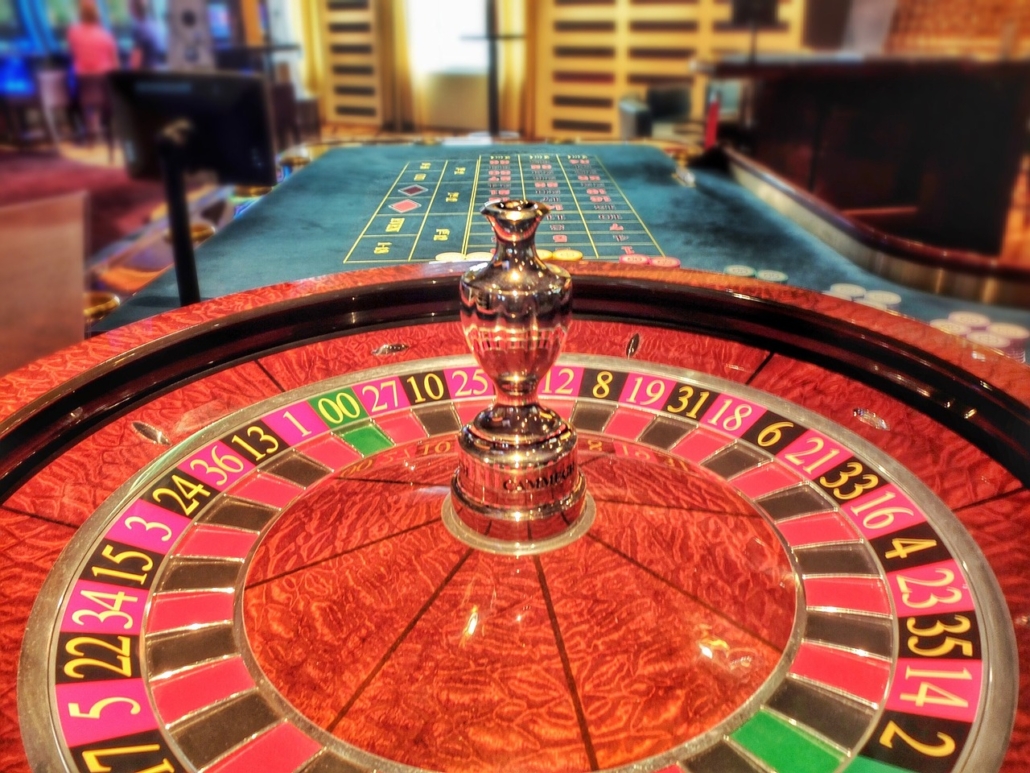
The roulette wheel consists of 37 pockets in European roulette (1-36 plus a single zero) and 38 pockets in American roulette (1-36 plus a single and a double zero). The numbers are arranged non-sequentially to create a more unpredictable game. The distribution of the numbers on the wheel is intentionally designed to make it challenging for players to predict outcomes consistently.
H2: The Psychology of Roulette Players
The thrill of the spin creates a unique psychological experience that can affect betting behavior. Many players fall into a gambling pattern called the “gambler’s fallacy,” believing that past results influence future outcomes. This can lead to risky decisions and betting behaviors that may not always be rational. Understanding the psychological elements of gambling is crucial for responsible play and financial management.
In conclusion, roulette is not just a game of chance; it is steeped in rich history and trivia that adds depth to the overall experience. Whether you’re spinning the wheel in a land-based casino or playing online, these fun facts can enhance your appreciation for this classic game. Next time you play, remember these intriguing insights, and share them with your friends to elevate their understanding as well.